Complementary feeding marks a gradual transition from a milk-based diet to a wider variety of foods. This crucial period also helps children develop chewing and swallowing skills, laying the foundation for healthy eating habits.
A child's digestive system is still immature. Starting solids too early, increasing food texture too quickly, or improper food preparation and storage can lead to digestive issues. An unbalanced diet may also affect growth and increase the risk of overweight and obesity later in life.
According to recommendations from the World Health Organization (WHO), children should begin complementary feeding around 6 months of age. Before starting, parents should observe signs that a child is ready, such as holding their head steady, sitting upright with support, showing a reduced tongue-thrust reflex, and demonstrating interest in adult food. It is advisable to avoid introducing solids before 4 months or delaying too long after 7 months.
When first introducing solids, accustom the child to soft, smooth, easily swallowable foods in small quantities. Gradually increase the amount, consistency, and texture according to their chewing and swallowing abilities. Babies can start with finely pureed or mashed foods, then progress to coarsely mashed, finely chopped, and eventually foods with a higher texture. This gradual increase helps children practice chewing and adapt to various food forms.
 |
Dr. Lam Boi Hy examines a child at Tam Anh General Hospital. *Illustration by Trung Vu*.
During the initial months of complementary feeding, breast milk or formula remains an important source of nutrition. Parents should avoid forcing a child to eat or trying to feed them when they show signs of fullness.
Each meal should incorporate a diverse range of foods, including carbohydrates, proteins, fats, vegetables, and fruits. Carbohydrates can come from rice, potatoes, pasta, noodles, and various grains. For protein, prioritize iron and zinc-rich foods like meat, fish, and eggs. Fats provide energy and aid in the absorption of certain vitamins, which can be supplemented through appropriate vegetable oils. Vegetables and fruits supply fiber, vitamins, and minerals.
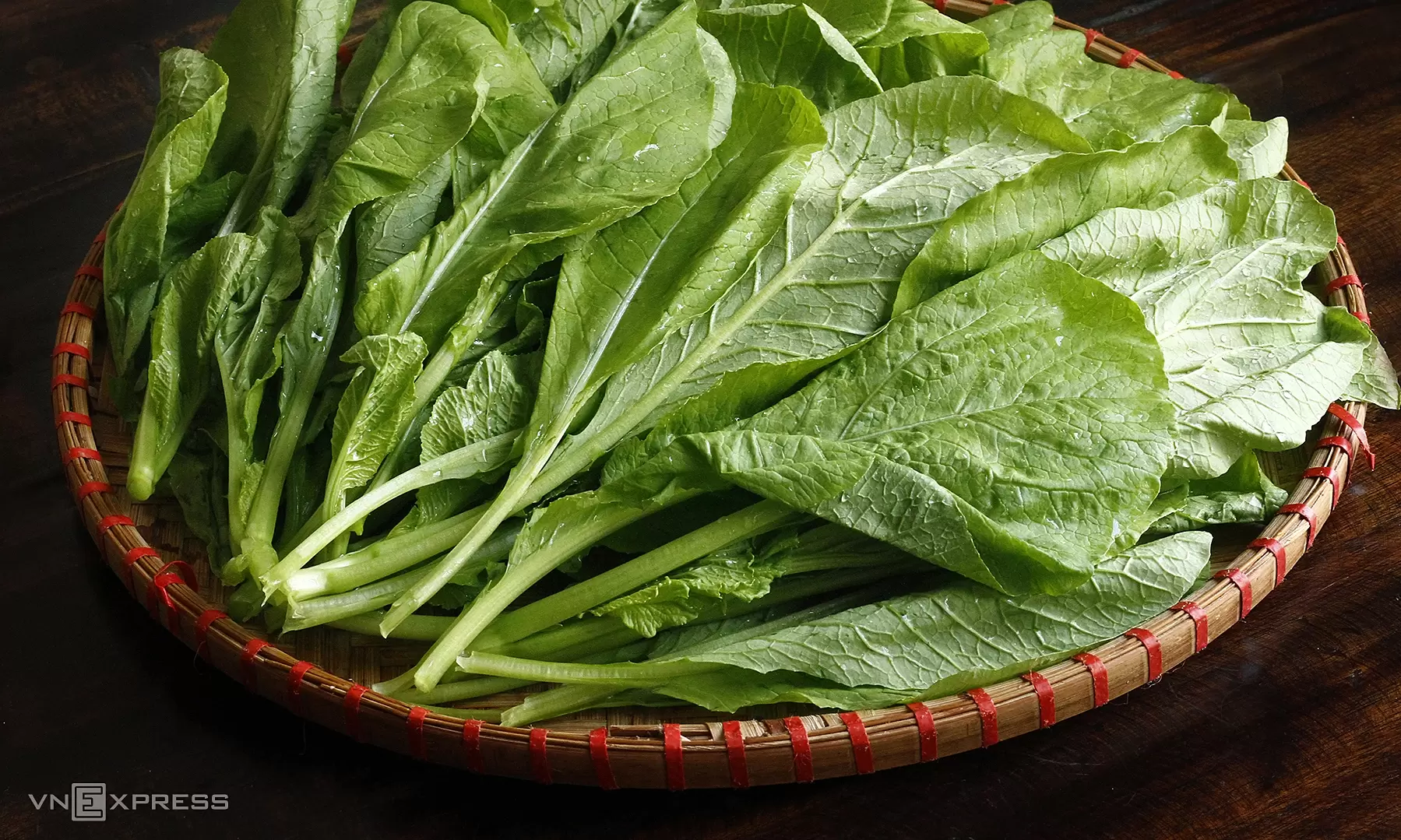
Vary foods regularly, prioritizing dark green leafy vegetables and yellow or orange fruits and vegetables to ensure a diverse range of nutrients. Avoid giving children too much of one nutrient group, especially protein, as an unbalanced diet can lead to indigestion and affect eating habits.
Do not add salt, sugar, fish sauce, seasoning powder, or MSG to food for children under 12 months of age. Utilize the natural sweetness from vegetables and fruits, and use suitable cooking oils such as soybean oil, peanut oil, canola oil, sunflower oil, and fish oil, alternating with saturated fats like pork fat, to diversify dishes and enhance a child's appetite.
Select fresh food with clear origins and ensure proper storage. Adults must wash their hands before preparation and thoroughly clean utensils like pots, bowls, spoons, blenders, and any items that directly contact food. Prioritize steaming, boiling, or thorough cooking. Dishes that are fried or stir-fried with excessive oil, or cooked for too long, should not be consumed regularly.
Cooked food must be stored appropriately. If a child has eaten a portion, the remainder should not be kept for reheating multiple times, as this can increase the risk of bacterial contamination.
Create a comfortable, pleasant atmosphere during mealtimes, observe signs of a child's hunger and fullness, and avoid forcing them to eat excessively. The menu should be varied and adapted to the child's age and eating ability.
Your child is approaching 6 months of age. If they show signs of readiness, you can begin introducing solids. Start with small amounts of soft, smooth food, gradually increasing texture and quantity according to your baby's ability. Continue breast milk or formula, ensuring the diet includes all essential nutrient groups.
If a child frequently experiences bloating, vomiting, diarrhea, constipation, or prolonged anorexia, parents should take them to a Pediatric or Pediatric Nutrition specialist for an assessment of their growth, digestive capacity, diet, and to receive appropriate dietary advice.
Dr. Lam Boi Hy
Department of Pediatrics, Tam Anh General Hospital, Ho Chi Minh City
| Readers can submit questions about child health here for a doctor's response. |