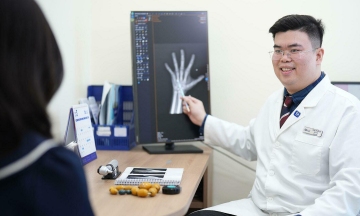
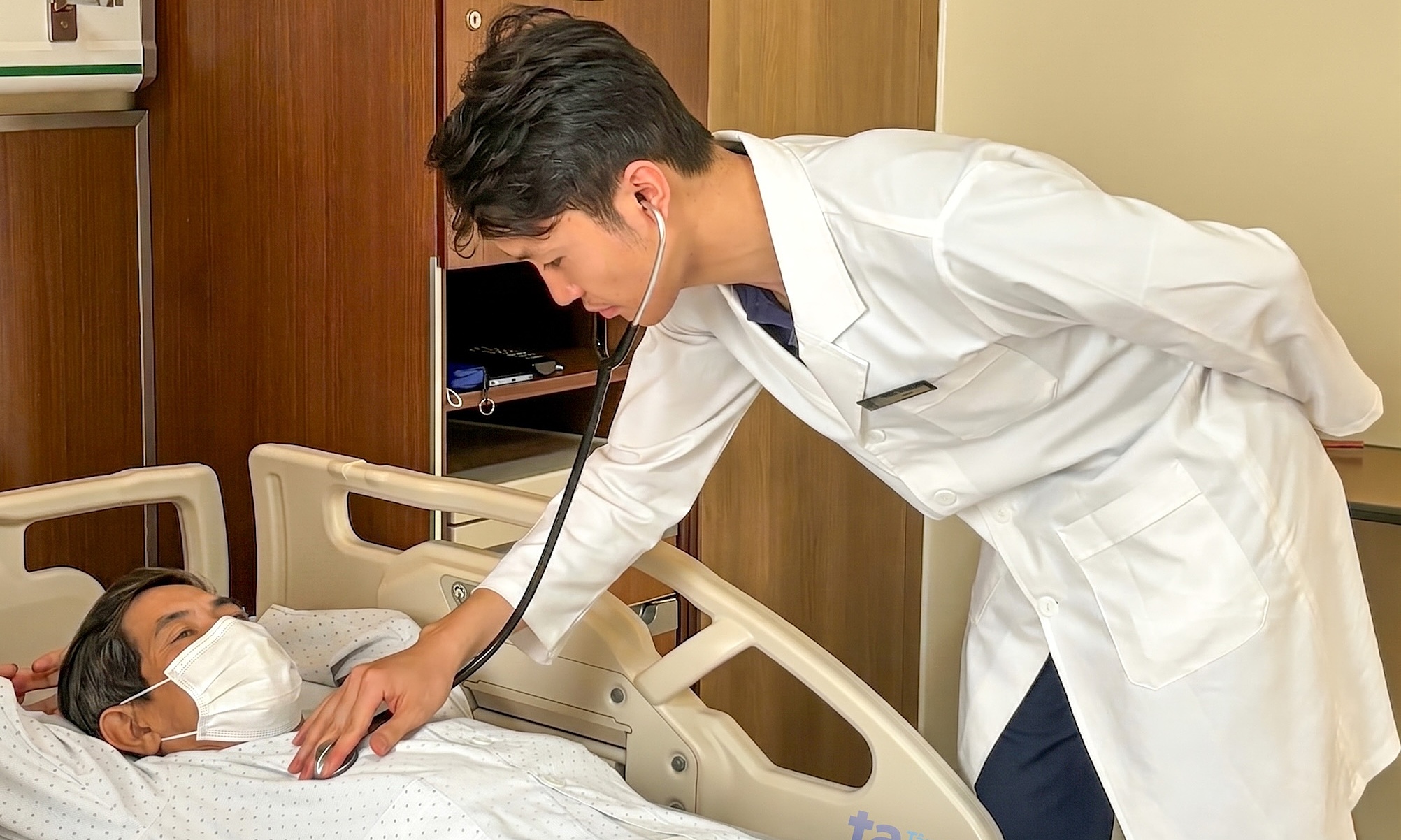
Dr. Pham Thu Phuong, deputy head of the Musculoskeletal Department at Tam Anh General Hospital Hanoi, notes that tennis and pickleball players are prone to lateral epicondylitis, commonly known as "tennis elbow." This condition is an elbow pain syndrome resulting from damage to the wrist extensor tendons due to repetitive, overuse movements. It is also frequently observed in office workers, artisans, and manual laborers.
Individuals experiencing elbow pain from playing pickleball can be treated using the following methods:
Conservative treatment
Patients should modify their activities, avoiding repetitive, painful motions such as forceful wrist extension or tight gripping. However, complete immobilization is not recommended, as tendons require appropriate mechanical stimulation for recovery.
Pain relievers, particularly non-steroidal anti-inflammatory drugs (NSAIDs), may be used in the initial phase to manage symptoms. However, these medications do not address the underlying cause of tendon degeneration, and prolonged misuse can lead to gastrointestinal and cardiovascular side effects.
Rehabilitation exercises
Stretching and muscle-strengthening exercises help restructure collagen fibers and improve tendon durability. For chronic cases, shockwave therapy can be used to stimulate tendon healing. Supportive methods like therapeutic ultrasound or low-power laser therapy help reduce pain and increase circulation but require combination with exercise for optimal effectiveness.
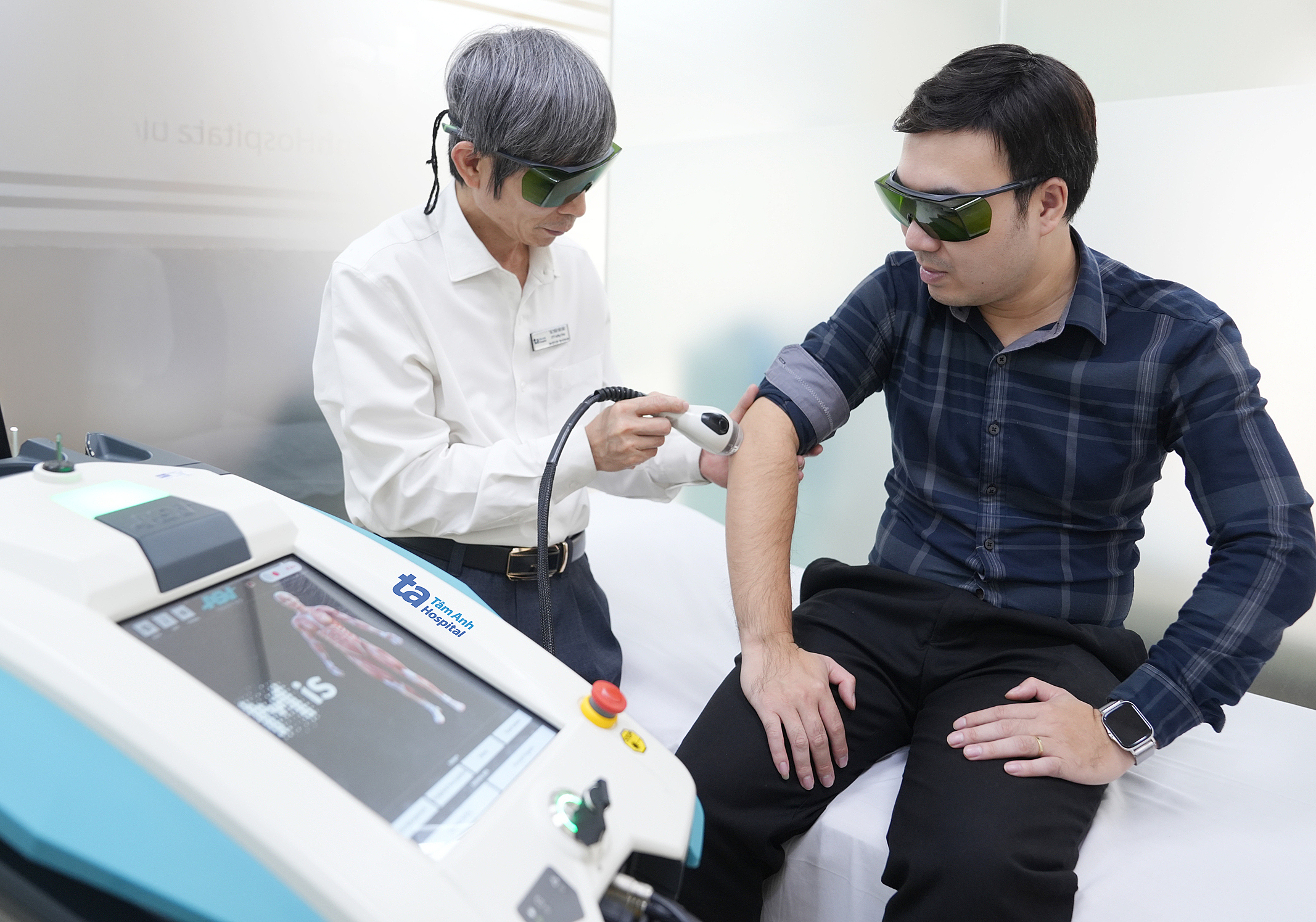 |
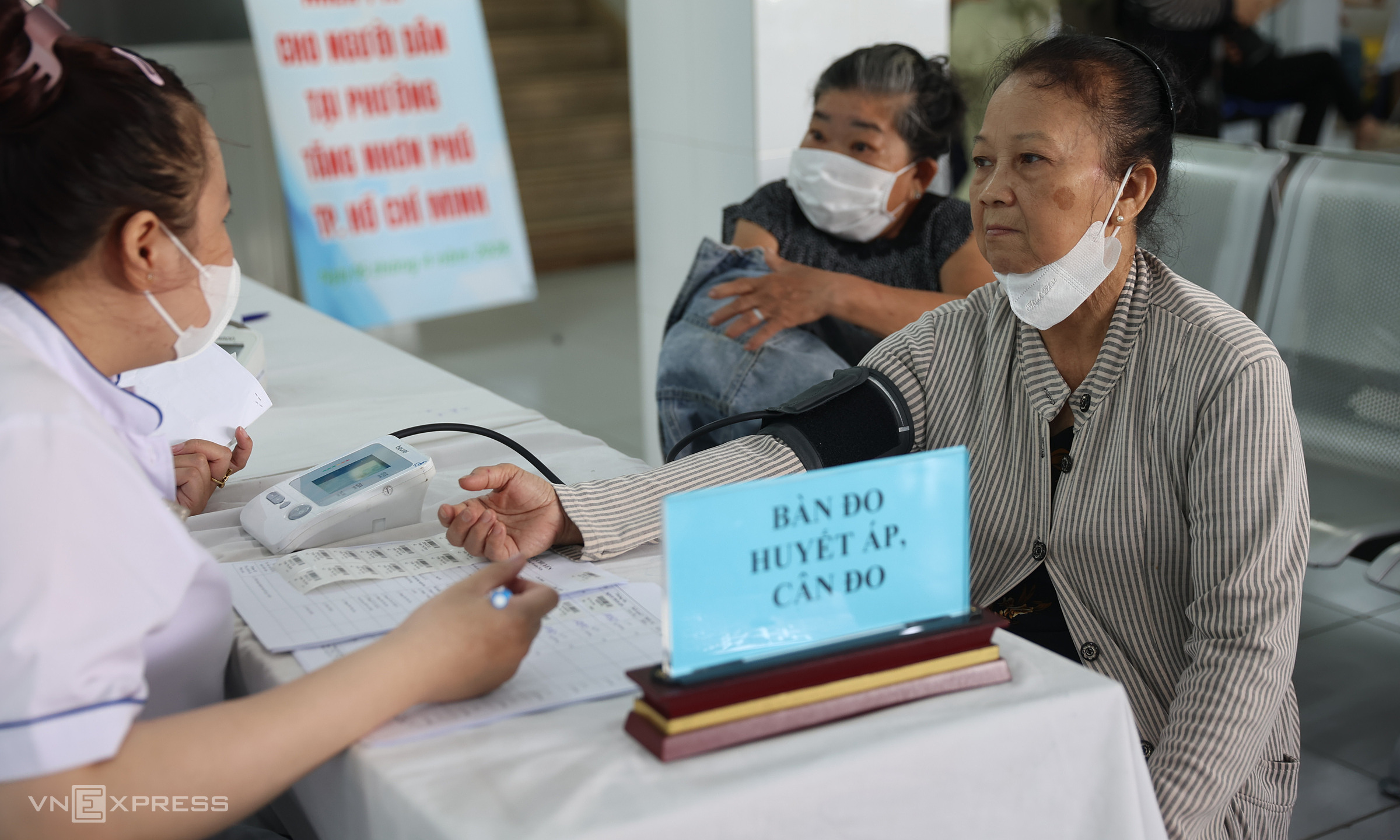
A person with elbow pain from high-intensity pickleball play receives laser treatment. Illustration: Tam Anh General Hospital
Localized injections
If conservative treatment does not yield desired results, doctors may consider localized injection methods. Corticosteroid injections were widely used due to their rapid pain relief. However, this method offers only short-term benefits and carries the risk of weakening tendons if overused.
Platelet-rich plasma (PRP) injections also promote tissue healing. PRP contains numerous growth factors that biologically support tendon regeneration. This technique is performed under ultrasound guidance, ensuring accuracy and safety for patients.
Hydrolyzed collagen injections are also suitable for individuals with recurrent enthesitis who previously received localized anti-inflammatory injections but did not achieve a full response.
Surgery
Surgery is the last resort, applied only when the condition persists for over 6-12 months and has not responded to all medical treatments. The goal of surgery is to remove degenerated tendon tissue and reconstruct the tendon attachment point. Success rates depend on the extent of inflammation. Post-surgery, patients must adhere to a rehabilitation program for optimal recovery.
Dr. Phuong advises athletes to adjust their exercise habits, avoid excessive repetitive movements, and maintain exercises that strengthen and increase flexibility in the forearm muscles and tendons. Before playing sports, thorough warm-up routines, including exercises to warm up and stretch the wrist and elbow areas, are essential to enhance blood circulation, improve tendon elasticity, and reduce the risk of overuse injuries.
If elbow pain is prolonged or recurs frequently, patients should seek early medical attention for timely diagnosis and treatment.
Hieu Nguyen
| Readers can submit questions about musculoskeletal diseases here for doctors to answer. |