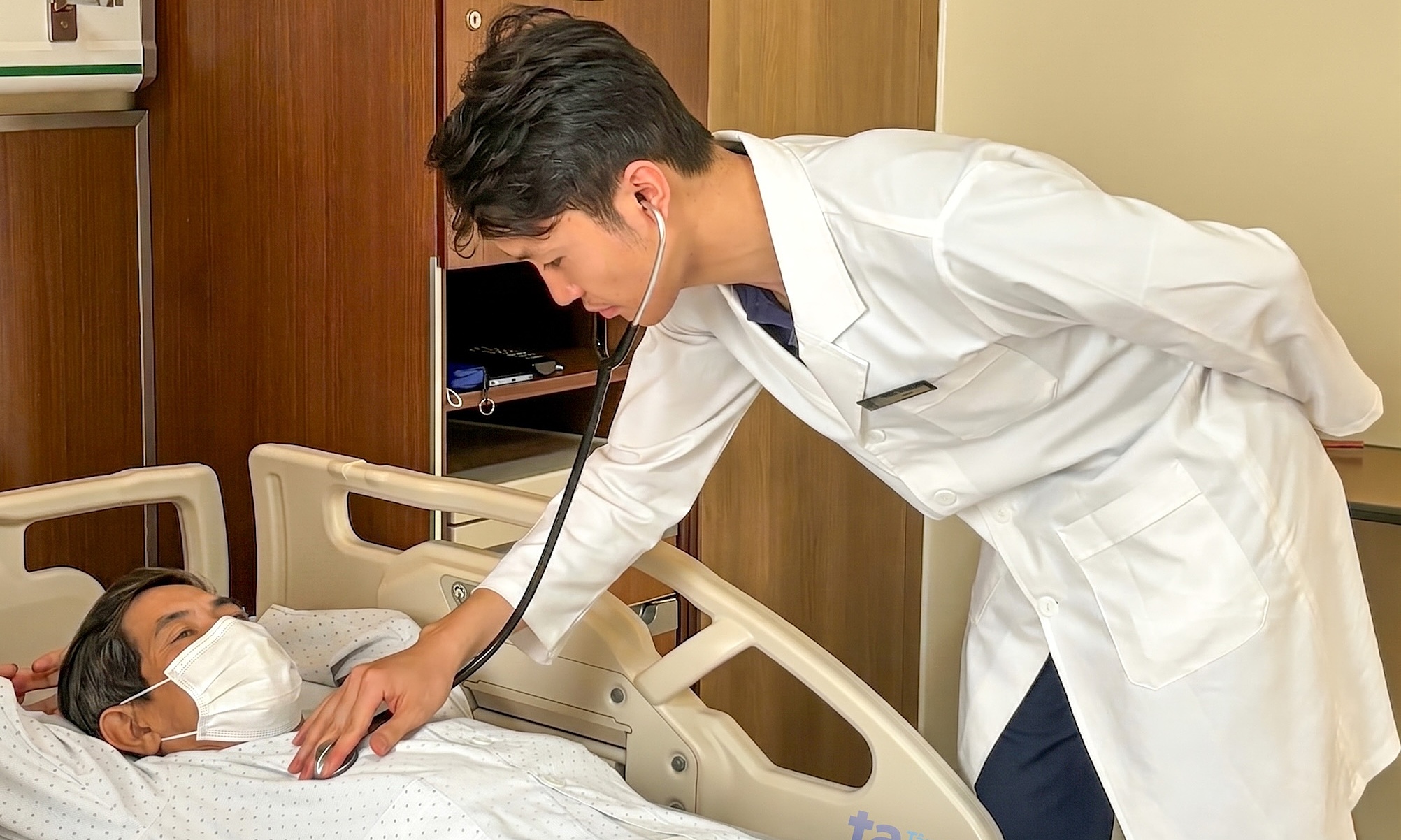
Stroke patients often find eating difficult due to muscle weakness and swallowing issues. Doctor Nguyen Anh Duy Tung, a specialist in nutrition and dietetics at Tam Anh District 7 General Clinic, states that proper nutrition supplies energy, aids recovery, improves motor function, and reduces the risk of recurrence. Patients should incorporate the four food groups listed below.
Fiber-rich, easily digestible foods
Post-stroke patients should prioritize soft, easily absorbed foods to ensure adequate nutrition and reduce the risk of choking, bloating, or stomach discomfort. Recommended foods include thin porridge, vegetable soups, cereal powders, boiled vegetables, and mashed potatoes.
Patients should consume fiber from oats, green vegetables like spinach, kale, and bok choy, fresh fruits such as grapefruit, pear, and banana, whole grains, and legumes including soybeans, black beans, and lentils. Fiber helps maintain a healthy digestive system, preventing constipation when mobility is limited during long treatment periods. This nutrient also helps control cholesterol, stabilize blood pressure, and improve cardiovascular health.
Omega-3 rich foods
Omega-3 is an essential fatty acid known for its ability to reduce inflammation, support brain health, and enhance cardiovascular function. According to Doctor Duy Tung, patients generally need to consume about 1,3-2,7 grams of omega-3 daily to manage blood fat levels and limit blood clot formation, thereby reducing the risk of stroke recurrence.
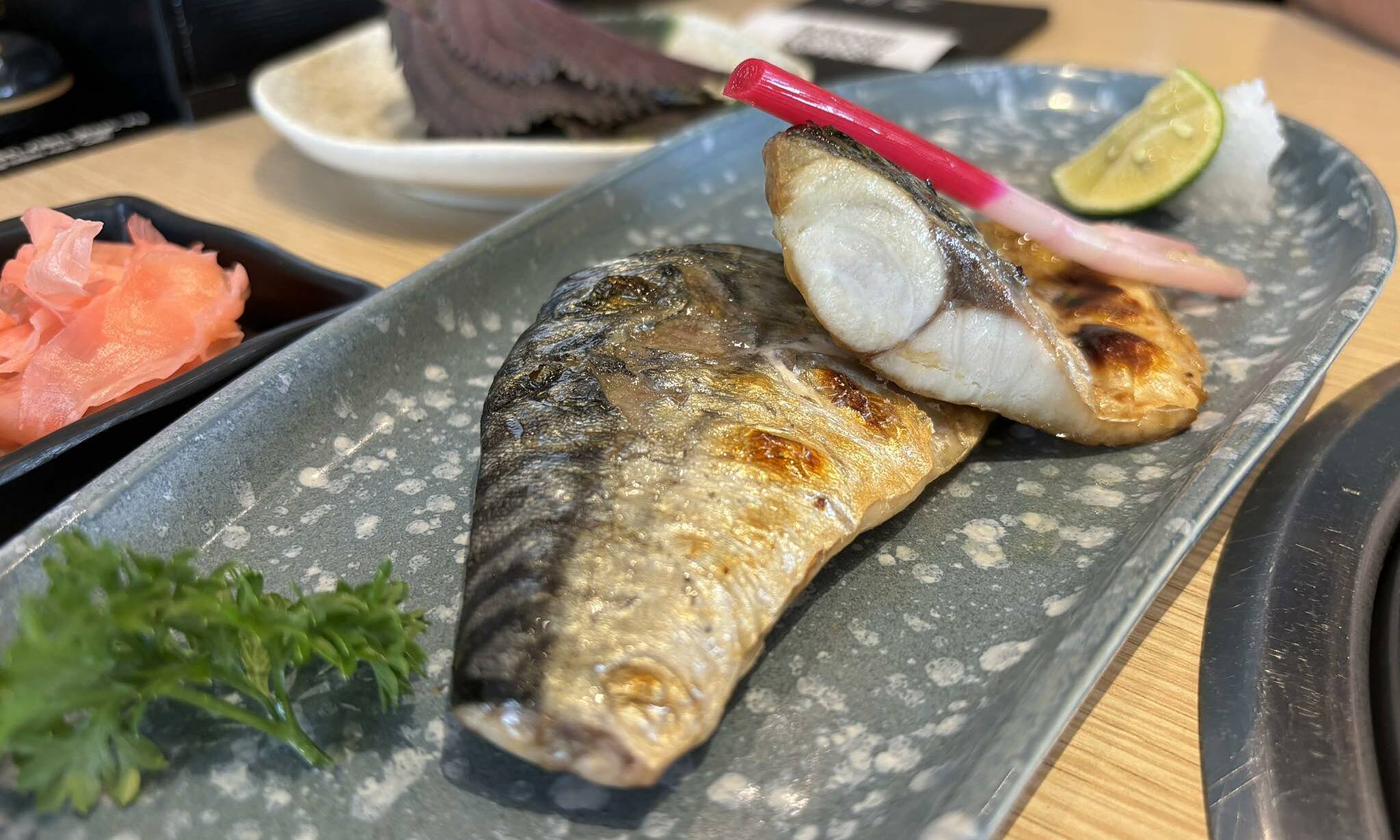
Patients should prioritize eating salmon, mackerel, tuna, sardines, and herring. Additionally, incorporate olive oil and nuts like walnuts, chia seeds, flax seeds, sesame seeds, and cashews into their daily diet.
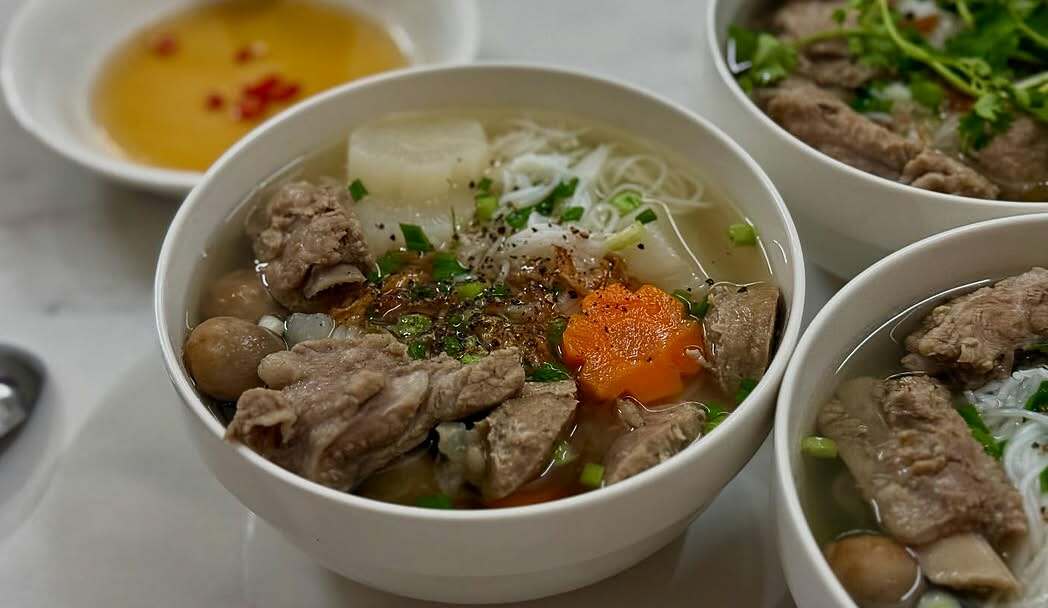 |
Post-stroke patients should choose fiber-rich and protein-rich dishes to limit the risk of malnutrition after prolonged treatment. *Photo: Quoc An* |
Antioxidant-rich foods
Dark leafy greens, berries such as blueberries, strawberries, and raspberries, and colorful fruits and vegetables contain many antioxidants. These can neutralize free radicals, protect brain cells and blood vessels from damage, and support the recovery process after a stroke. This food group also reduces inflammatory responses, improves blood circulation, and strengthens the patient's immune system.
Protein-rich foods
Protein helps regenerate tissues and maintain muscle mass, which is especially important for patients experiencing weakness, paralysis, or limited mobility after a stroke. Adequate protein intake helps prevent muscle atrophy, improves physical strength, and reduces the risk of malnutrition. Patients should prioritize lean poultry, fish, eggs, low-fat milk, and legumes.
Doctor Duy Tung emphasizes that post-stroke patients need to manage cholesterol and sodium intake while increasing fiber and protein to support recovery. Foods high in cholesterol, such as beef, lamb, veal, and egg yolks, can negatively affect cardiovascular health if consumed excessively. Patients should limit red meat, egg yolks, sweets, and saturated fats; reduce salt intake; avoid caffeinated beverages; and opt for natural spices.
Post-stroke patients should consult a nutritionist for a personalized diet plan. Doctors may recommend micronutrient testing using a UPLC (ultra-performance liquid chromatography) machine to accurately assess nutrient deficiencies or excesses in the body. Based on these results, an eating plan can be developed, combined with rehabilitation, to improve health and quality of life.
Quoc An
| Readers can send nutrition questions here for doctors to answer. |