Hormones play an important role in many bodily functions. From the age of 20 to over 50, hormone levels naturally change, which can cause symptoms like insomnia, fatigue, hair loss, or mood swings. The following measures help reduce discomfort caused by hormonal imbalances.
Adopt a Mediterranean-style diet
Natural inflammation increases with age, so adopting a Mediterranean diet is both healthy and enjoyable. This diet provides healthy fats from fatty fish, eggs, and olive oil, supporting the body's hormone production, protecting the heart and brain, maintaining a healthy weight, and promoting sound sleep. Antioxidant-rich foods such as spinach, berries, and nuts limit oxidative stress and chronic inflammation – factors that disrupt hormones.
Moreover, the Mediterranean diet is easy to follow, reduces stress, and stabilizes hormone activity in the body.
 |
The Mediterranean diet prioritizes healthy fats. AI-generated image
Limit exposure to endocrine-disrupting chemicals
Frequent exposure to harmful substances in the environment can negatively impact hormones. To protect health and prevent hormonal disorders as you age, limit exposure to chemicals such as BPA (bisphenol A) plastic, phthalates, pesticides, and some beauty or cleaning products containing triclosan.
Reduce stress
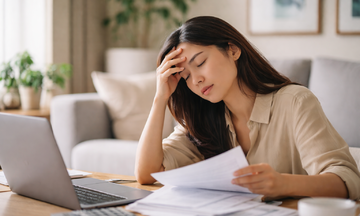
Prolonged stress increases the stress hormone cortisol and decreases sex hormones like estrogen, progesterone, and testosterone, leading to menstrual disorders, fatigue, weight gain, acne, and reduced libido. Cortisol levels naturally rise with age. Everyone should manage stress through diet and healthy lifestyle choices such as evening relaxation, regular exercise, and adequate sleep.
Exercise regularly
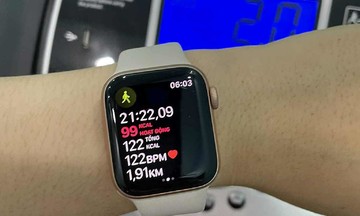
Muscle mass and bone density gradually decline with age, so incorporating exercise helps increase muscle and protect joints. Maintaining about 30 minutes of physical activity daily also reduces the stress hormone cortisol – a cause of hormonal imbalance – while increasing insulin sensitivity and improving metabolism. Exercise stimulates the production of endorphins, dopamine, and serotonin, enhancing mood and reducing pain.
Seek medical attention for unusual signs
Hormonal changes affect each person differently. If you experience symptoms such as significant weight gain or loss, prolonged fatigue, joint pain, reduced libido, irregular heartbeat, or changes in bowel habits, consult a doctor for examination, diagnosis, and appropriate treatment.
Anh Chi (According to Very Well Health)
| Readers can ask questions about endocrine diseases here for doctors to answer |