Response:
Hemodialysis (dialysis) is a method that partially replaces kidney function, helping to remove toxins and excess fluid from the body while re-establishing internal balance. After each dialysis session, many patients may feel better, eat well, and sleep better. However, fatigue can still occur cyclically, especially before the next session.
The reason is that in the period between two dialysis sessions, toxins and fluid can accumulate again in the body. This accumulation causes patients to experience symptoms such as fatigue, loss of appetite, lethargy, or reduced energy. This is quite common in patients undergoing chronic dialysis, reflecting fluctuations in the body's internal environment when kidney function is no longer adequate.
 |
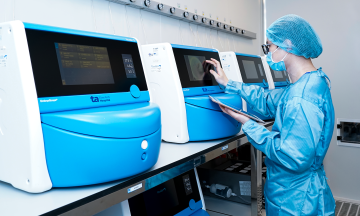
Patients undergo regular dialysis as prescribed by doctors. Photo: Benh vien Da khoa Tam Anh Ha Noi |
Patients undergo regular dialysis as prescribed by doctors. Photo: Benh vien Da khoa Tam Anh Ha Noi
During the first dialysis sessions, some patients may experience fatigue, dizziness, or headaches. This condition is often related to the rapid removal of toxins and fluid, which the body has not yet adapted to, leading to disequilibrium syndrome. In such cases, rapid changes in the concentration of substances in the blood can affect the nervous system, causing discomfort. To mitigate this, doctors may adjust dialysis time, filtration rate, or use supportive measures like appropriate fluid infusion.
Additionally, headaches after dialysis sessions are a symptom some individuals experience. This may be related to blood pressure changes during dialysis, especially when blood pressure suddenly increases or decreases. In some sensitive individuals, this symptom may also be linked to disequilibrium syndrome, even after undergoing dialysis for a long time. Therefore, monitoring blood pressure and clinical manifestations during and after a session is very important.
To improve fatigue during dialysis, you need to combine many factors. First, adhering strictly to the dialysis schedule helps limit the excessive accumulation of toxins and fluid. Consume enough protein as advised, and control water, salt, and electrolytes like potassium, phosphorus to avoid overloading the body.
Adequate rest and maintaining light physical activity also contribute to improving your physical condition and reducing prolonged fatigue. Inform your doctor if you experience severe fatigue, persistent headaches, dizziness, or blood pressure changes so that your dialysis regimen can be adjusted appropriately.
Hemodialysis can cause fatigue at certain times, but this is a manageable condition if properly monitored and adjusted. You should adhere to your doctor's instructions and maintain a scientific lifestyle to adapt better to the long-term treatment process.
Master Doctor Nguyen Quang Huy
Department of Nephrology - Dialysis
Benh vien Da khoa Tam Anh Ha Noi
| Readers can ask kidney questions here for doctor's answers |