


Improper food preservation not only leads to nutrient loss but also creates conditions for carcinogenic compounds to form, harming health. Doctor Ngo Van Ty, from the Oncology Department at Hanoi Medical University Hospital, highlights five common mistakes to avoid to protect health.
Storing meat and fish in the freezer for too long
Many people mistakenly believe that food stored in the freezer is safe. In reality, meat and fish frozen beyond the recommended time degrade, altering protein structures and producing toxic compounds. The habit of thawing and then refreezing multiple times creates an environment for bacteria to multiply, generating substances harmful to the body.
The U.S. Food and Drug Administration (FDA) recommends keeping refrigerators below 4 degrees C for effective cooling, and freezers below -17,7 degrees C. When purchasing food, it should be pre-processed by removing excess or damaged parts, thoroughly washed, drained, and carefully packaged in sealed bags or containers. Additionally, during packaging, food should be divided into small portions for storage, suitable for individual meal servings, to avoid preserving large quantities and requiring multiple thawing cycles.
Consuming improperly stored overnight food
Leftover food left at room temperature for too long becomes a breeding ground for bacteria. Notably, green vegetables or soups, if left overnight, can produce nitrites. When nitrites enter the body, they can convert into nitrosamines – an agent directly linked to stomach cancer if accumulated over a long period.
Many also have the habit of "cutting off moldy parts" from foods, such as grains, fruits, or bread, to continue eating them. In reality, mold and toxins are not only on the surface but have spread deep inside the entire food item. Specifically, mold in peanuts and corn can contain aflatoxin – a potent toxin that causes liver cancer, which cannot be destroyed by regular cooking temperatures.
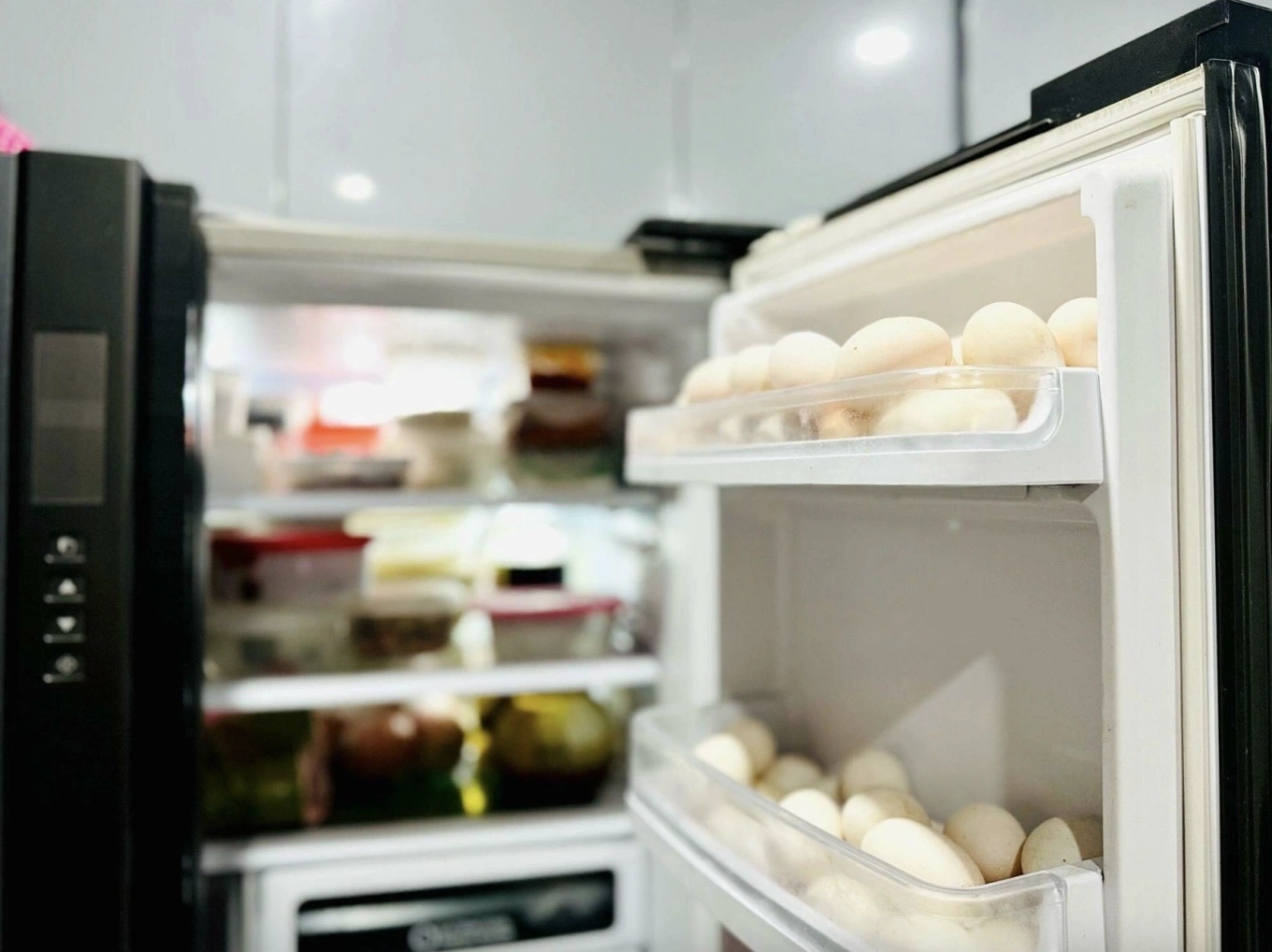 |
Avoid overstuffing your refrigerator with food. Photo: Luc Bao |
Using dented or expired canned goods
Canned foods that appear swollen, dented, or rusted signal bacterial contamination or chemical leaching from the packaging into the food. These can be sources of dangerous bacteria.
Stockpiling fried and processed foods
Fried foods left for extended periods or reheated multiple times produce acrylamide – a chemical formed during high-temperature cooking. Long-term consumption of these foods not only causes obesity but also poses a potential cancer risk.
Overloading and overstuffing the refrigerator
When a refrigerator is overfilled, cold air cannot circulate properly, leading to substandard storage temperatures. This causes food to spoil faster and increases the risk of cross-contamination between raw and cooked items.
To ensure family safety, individuals should only purchase enough food for a few days. Understand the safe storage times for each food type: fresh meat, vegetables, and cooked dishes. Decisively discard food showing signs of spoilage or mold; never keep it out of "pity" and risk long-term health.
Thuy An


