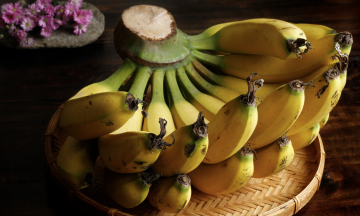
Fruits offer potassium, fiber, and antioxidants beneficial for cardiovascular health. Potassium helps balance sodium in the body, increasing sodium excretion through the kidneys, which reduces circulatory volume and lowers pressure on blood vessel walls. Antioxidant compounds in fruits also improve endothelial function, support vasodilation, and stabilize blood pressure.
However, intensely sweet fruits such as ripe mango, longan, lychee, and durian contain high levels of natural sugars (fructose, glucose, sucrose). Consuming too much can indirectly affect blood pressure by leading to weight gain, increased insulin resistance, and metabolic disorders, making blood pressure control difficult long-term. This risk is more pronounced with large, prolonged consumption or when combined with a high-sugar, sedentary diet.
For individuals with high blood pressure, completely avoiding sweet fruits is not necessary, but portion control is essential. Each serving should be approximately 100-150 g. Avoid eating many types of sweet fruits consecutively on the same day. Prioritize a variety of less sweet options, such as apples, grapefruit, oranges, guava, and strawberries. Avoid overly ripe or dried fruits, as their sugar content is highly concentrated. Do not substitute whole fruits with fruit juice, as juicing removes fiber and leads to faster sugar absorption.
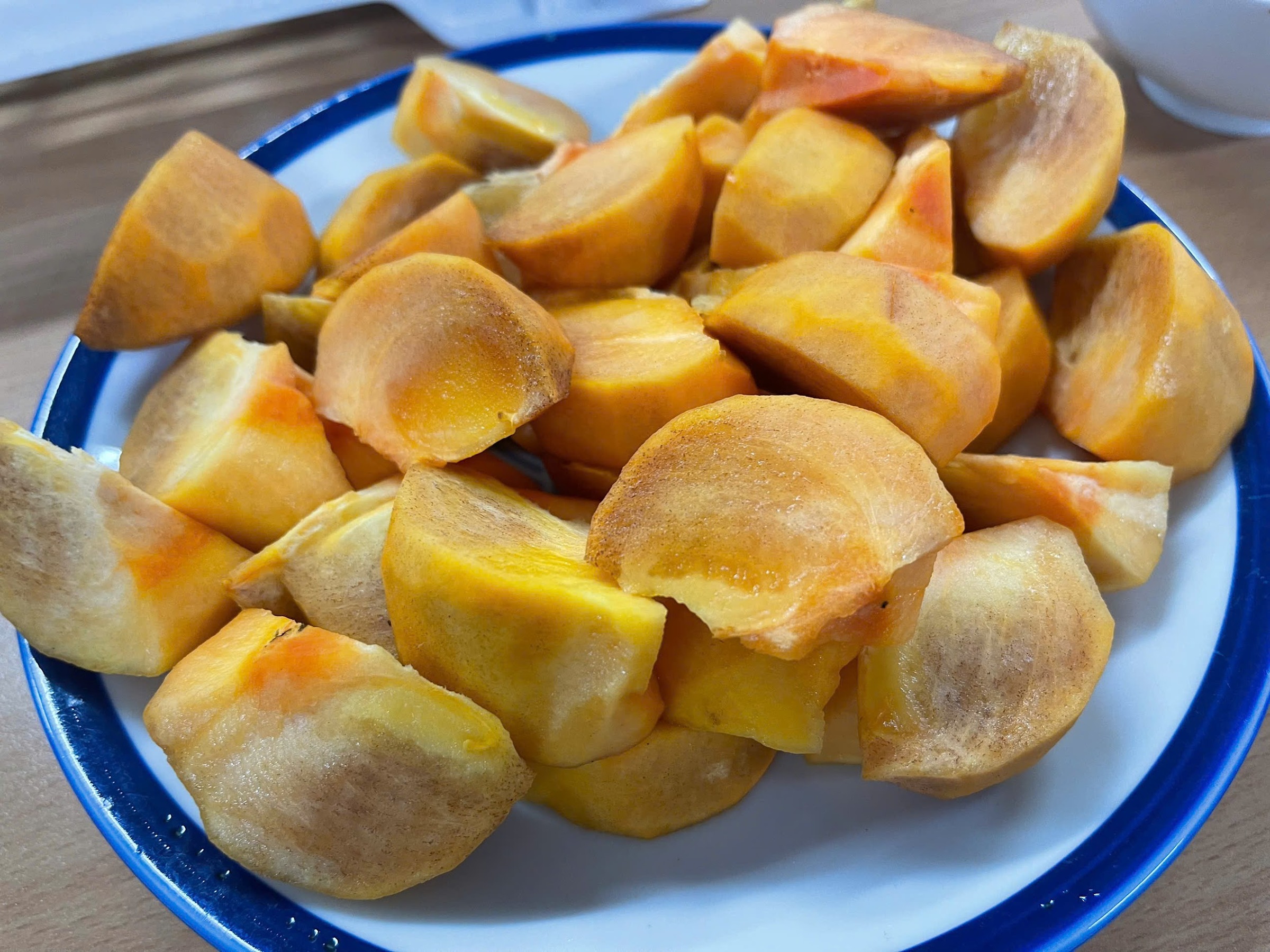 |
People with high blood pressure can still eat sweet fruits such as sapodilla, mango, lychee, longan, but should consume them in moderation and correctly. Photo: Ly Nguyen |
People with high blood pressure can still eat sweet fruits such as sapodilla, mango, lychee, longan, but should consume them in moderation and correctly. Photo: Ly Nguyen
If blood pressure is stable, you can maintain two to three fruit servings daily, with only one serving being sweet fruit. It is advisable to consume fruits during the day, avoiding large amounts in the evening or immediately before sleep.
You should also monitor your body's response by measuring blood pressure on days when you consume more sweet fruits to assess their impact. If you notice blood pressure rising higher than normal (above 135/90 mmHg or an increase of more than 10 mmHg from your stable level), you should adjust your intake or consult a doctor for appropriate advice.
Beyond fruits, people with high blood pressure need to consider their overall diet. Reduce salt, limit processed foods and sugary drinks, and increase intake of green vegetables, whole grains, and legumes. Maintaining a healthy weight, exercising regularly, and getting adequate sleep also contribute to more effective blood pressure control.
Patients should schedule regular follow-up appointments to monitor blood pressure and adjust medication as needed. Do not assume that diet alone is sufficient to replace medical treatment.
Master of Science, Doctor Nguyen Thi Oanh
Department of Cardiology
Tam Anh Cau Giay General Clinic
| Readers can submit cardiology questions here for doctors to answer. |