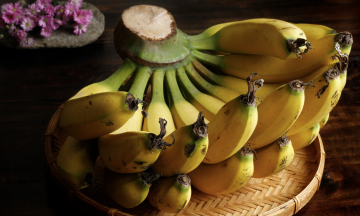
 |
Chronic inflammation complicates blood sugar management for diabetics. It triggers an immune response, damaging tissues, including blood vessels, nerves, and the heart. Reducing inflammation is a key goal for diabetics to control the condition and prevent complications.
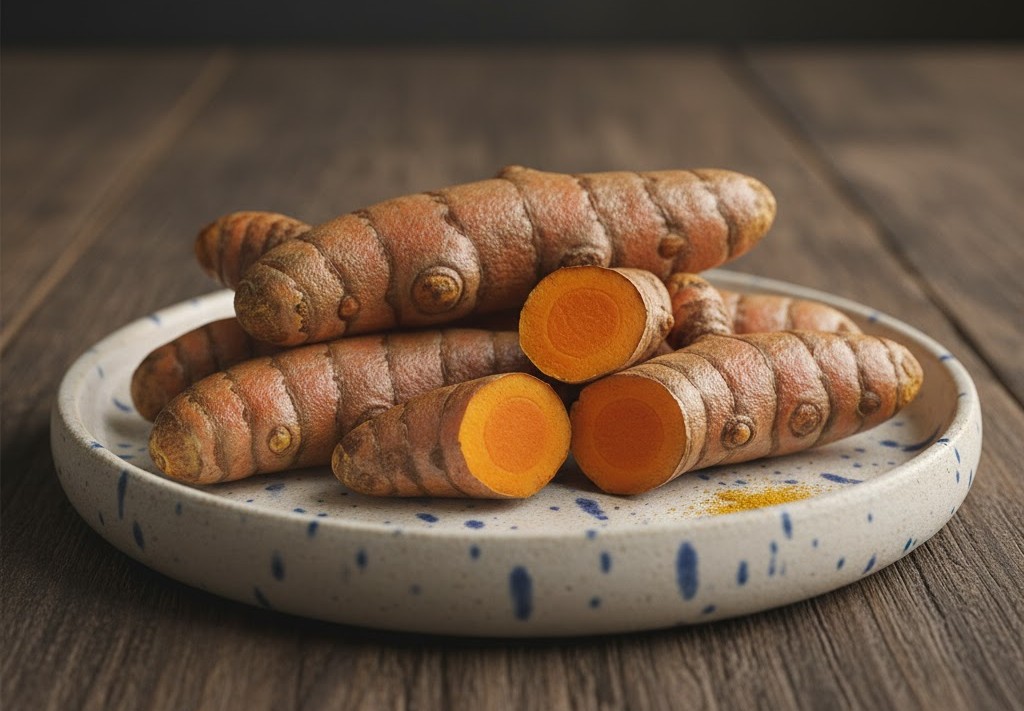
Turmeric is rich in plant compounds such as crocin and safranal, which help reduce oxidative stress and inflammation. Incorporating turmeric into meals and consuming it daily can lower C-reactive protein (CRP) levels, a marker of inflammation in the blood.
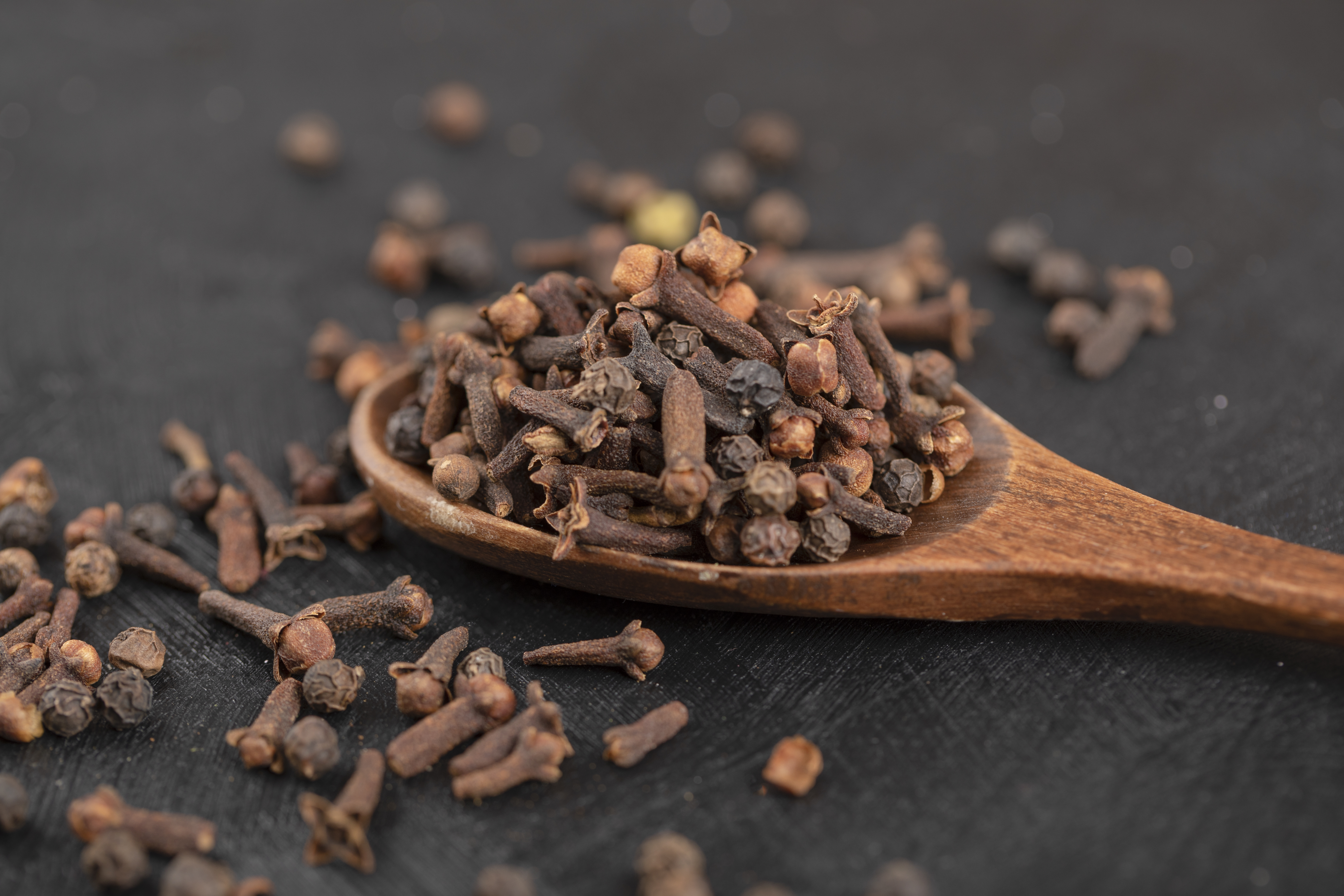 |
Cloves offer a sweet, warm flavor, often used in baking. This spice is rich in polyphenols, antioxidants with potent anti-inflammatory properties. The antioxidant eugenol in cloves also helps reduce inflammation and pain. You can add cloves to baked goods, bread, oatmeal, tea, or coffee.
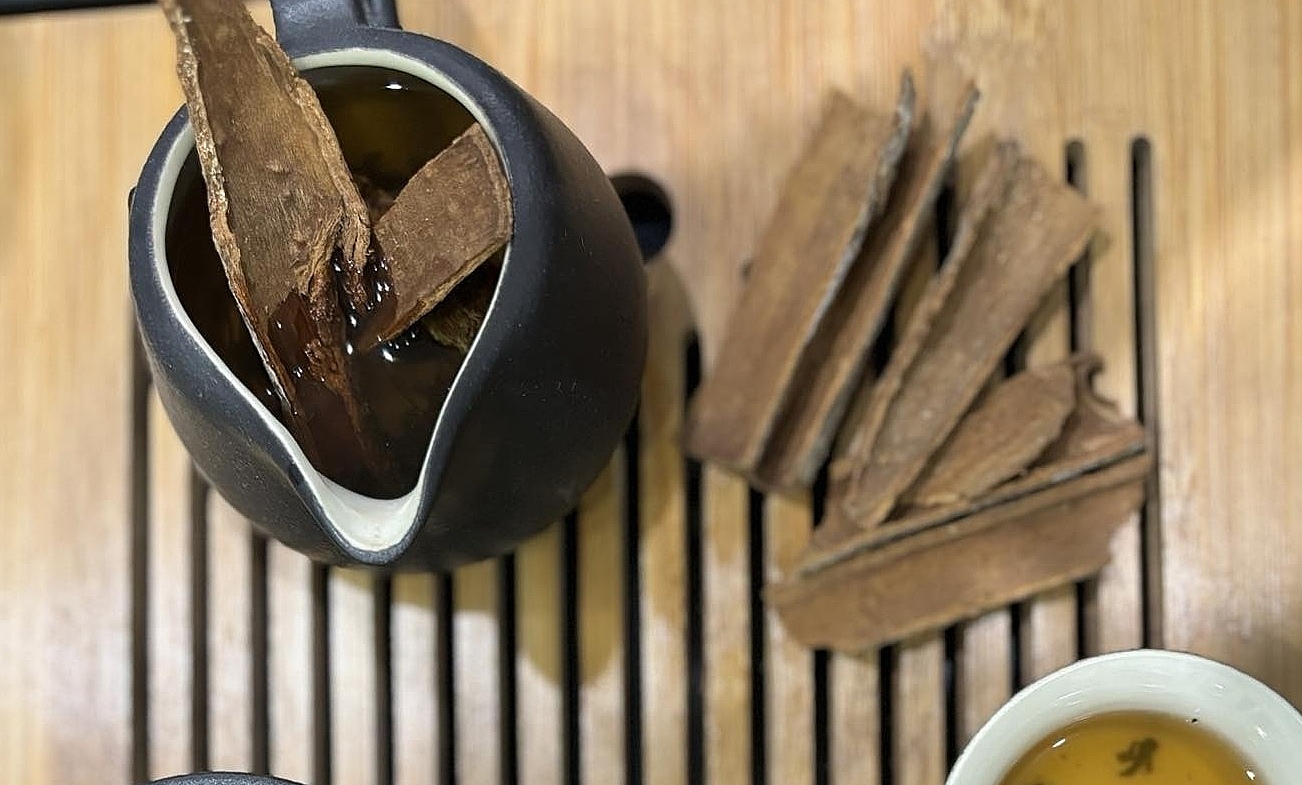 |
Cinnamon adds sweetness to many dishes, including drinks like coffee. It contains cinnamaldehyde, an antioxidant that can reduce inflammation and regulate blood sugar. Regular cinnamon consumption also offers brain health benefits, reducing the risk of dementia due to its anti-inflammatory effects.
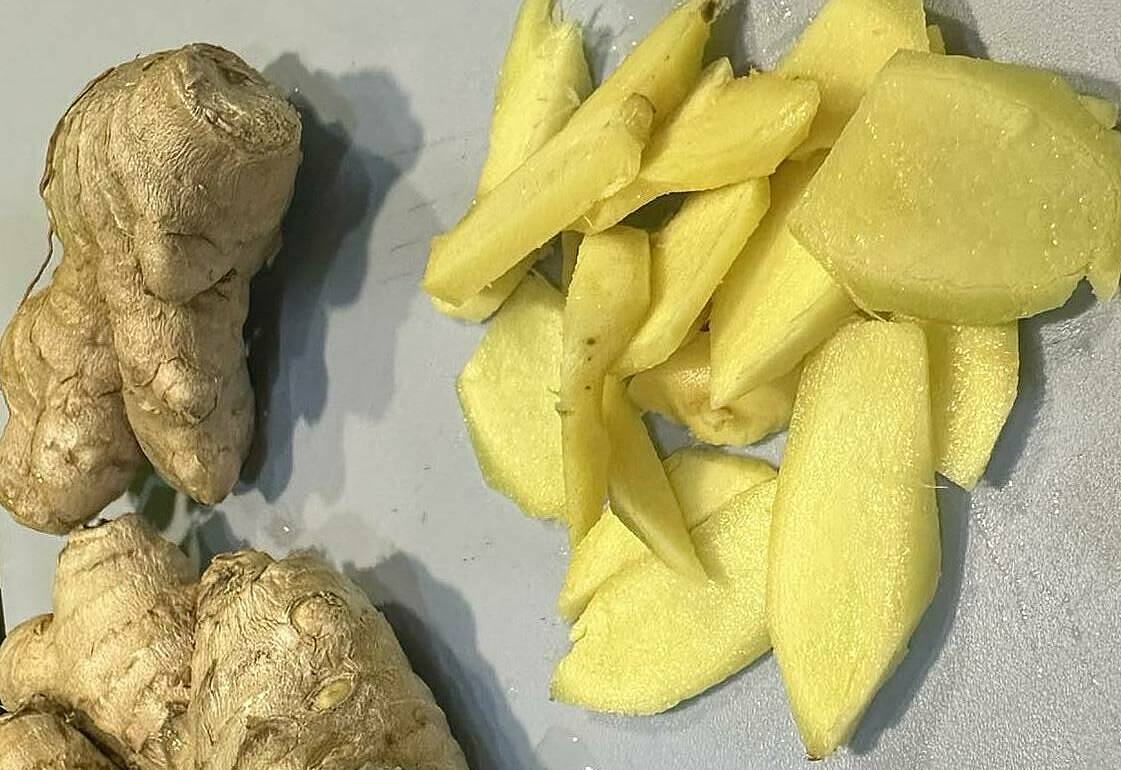 |
Ginger can improve inflammatory conditions with regular use. This spice contains plant compounds called gingerol and shogaol, which can reduce levels of inflammatory proteins in the body. Diabetics can drink ginger tea or add ginger to juices, stir-fries, and baked dishes, enhancing flavor and promoting health.
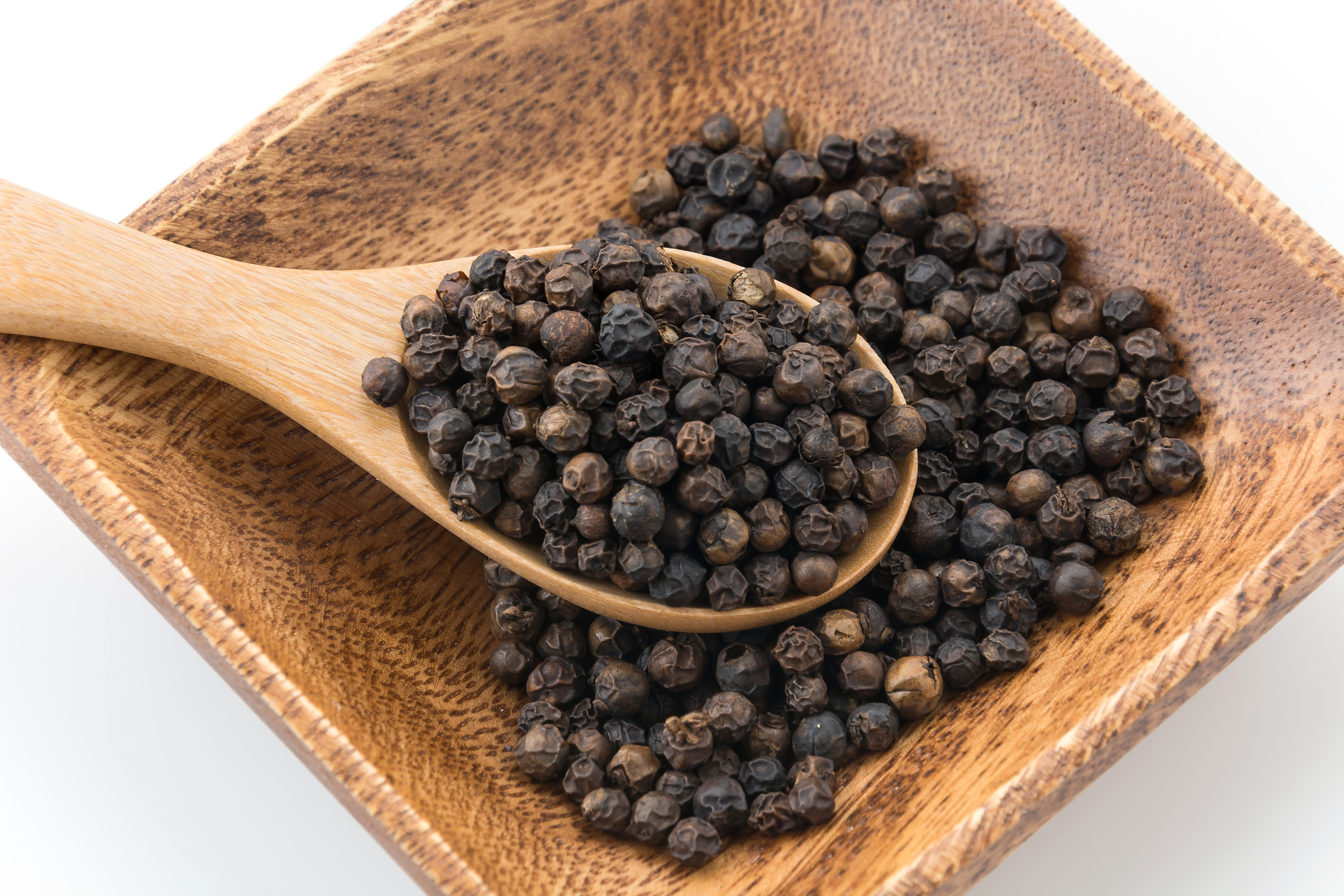 |
Black pepper contains piperine, a compound with potent anti-inflammatory properties. It is also rich in vitamin C, which helps control blood sugar and inhibits oxidative stress. Diabetics can add black pepper to stir-fries, soups, or fried eggs as desired.
By Anh Chi (Source: Very Well Health)
Photos: Bui Thuy, Anh Chi, AI
Readers can submit questions about diabetes here for doctors to answer.