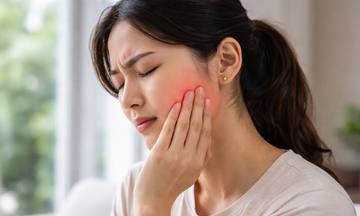
Muscle soreness commonly affects individuals new to gym workouts or those increasing their training intensity, leading to tiny tears in muscle fibers. In response, the body heightens its inflammatory response, causing pain, stiffness, and reduced strength in the affected muscle groups.
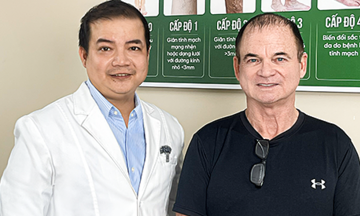
Dr. Ho Van Duy An, a Master of Science and First Degree Specialist from the Orthopedic Trauma Unit at Tam Anh General Clinic District 7, outlines several methods below to alleviate muscle pain after gym workouts.
**Rest**
Adequate rest and sufficient sleep enhance physical and mental well-being, supporting the recovery process and reducing post-workout pain. However, avoid prolonged periods of inactivity; instead, engage in light walking to relax muscles and promote recovery. If you wish to continue training, limit exercises that impact the affected muscle groups to prevent more intense soreness, or reduce intensity and shift focus to unaffected muscle groups.
**Hot or cold compresses**
Cold compresses slow local blood circulation, helping to reduce swelling, pain, inflammation, and edema. Hot compresses, conversely, stimulate circulation, easing muscle tension and spasms. Depending on the situation, you can apply one method or combine both for optimal results. Apply compresses within the initial 48 hours, for about 15 to 20 minutes at a time, to avoid exacerbating injuries from prolonged application.
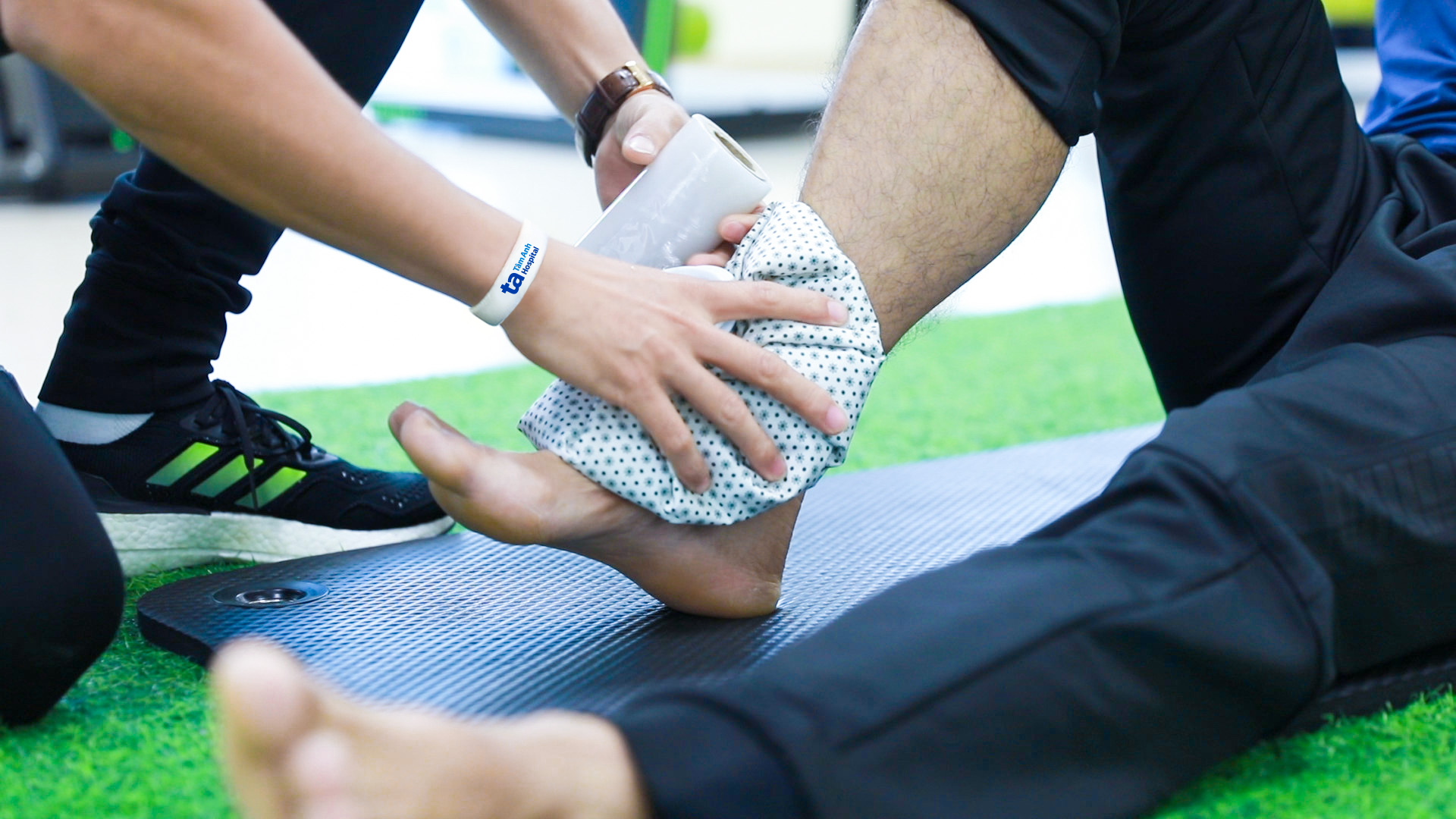 |
Proper application of hot or cold compresses helps alleviate muscle soreness after gym workouts. Photo: Tam Anh General Clinic District 7 |
Proper application of hot or cold compresses helps alleviate muscle soreness after gym workouts. Photo: Tam Anh General Clinic District 7
**Massage**
Massage helps relax and soothe muscles by reducing the release of cytokines, which are inflammatory compounds, thereby aiding in pain relief, muscle relaxation, and promoting recovery. For safety, it is advisable to perform this under the guidance of a specialist or technician.
**Using a foam roller**
Foam rolling is a form of self-myofascial release that helps increase blood circulation, reduce swelling and pain, and improve range of motion. Choose a foam roller with moderate firmness and use it for about 15 to 20 minutes after your gym workout.
**Adequate hydration and electrolytes**
Dehydration can increase the likelihood of muscle tension after gym workouts and slow recovery. Staying adequately hydrated before, during, and after exercise helps regulate body temperature, prevent dehydration, muscle soreness, dizziness, and fatigue. Exercisers should prioritize plain water and sports drinks containing electrolytes. Avoid cold water, carbonated drinks, and coffee.
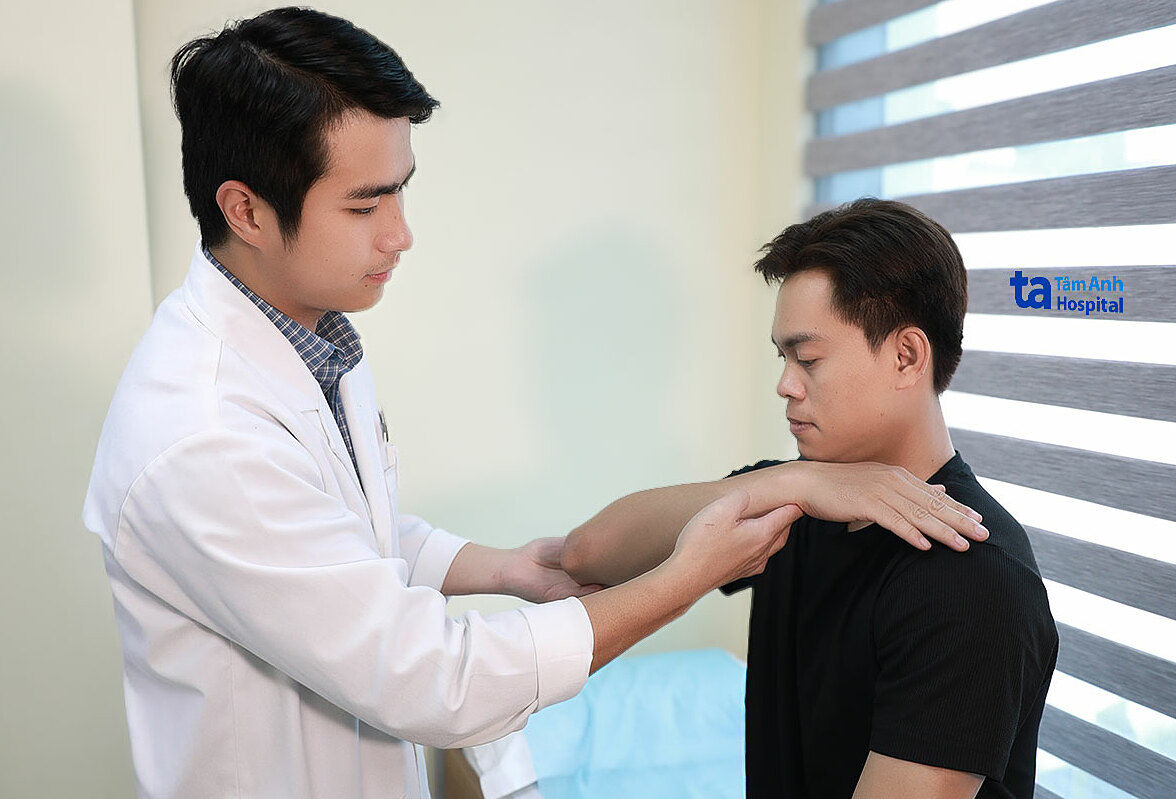 |
Dr. An examines the functional status of a patient's arm. Photo: Tam Anh General Clinic District 7 |
Dr. An examines the functional status of a patient's arm. Photo: Tam Anh General Clinic District 7
Dr. An states that muscle tension from gym workouts typically peaks around two to three days after exercise. The pain gradually subsides over the next five to seven days. However, individuals should seek medical attention at orthopedic trauma or sports medicine facilities as soon as possible if this condition persists for more than one week and the pain worsens; if the affected area is swollen and bruised; if mobility is reduced; or if the body feels fatigued, possibly accompanied by fever. These could be warning signs of health issues requiring prompt examination and treatment to prevent complications.
Phi Hong
| Readers can submit questions about musculoskeletal diseases here for a doctor's response. |