A deviated nasal septum occurs when the septum, the structure dividing the nasal cavity, shifts to one side, narrowing the airway on that side. This uneven airflow through the nose causes prolonged nasal congestion, especially during sleep. Patients face risks of sinusitis, pharyngitis, frequent nosebleeds, snoring, and sleep apnea. A deviated septum can also cause the nose to appear crooked or, in some cases, deformed.
Causes of a deviated septum include congenital conditions, nasal injuries from trauma or accidents, chronic sinusitis, or cosmetic surgery that impacts the septum.
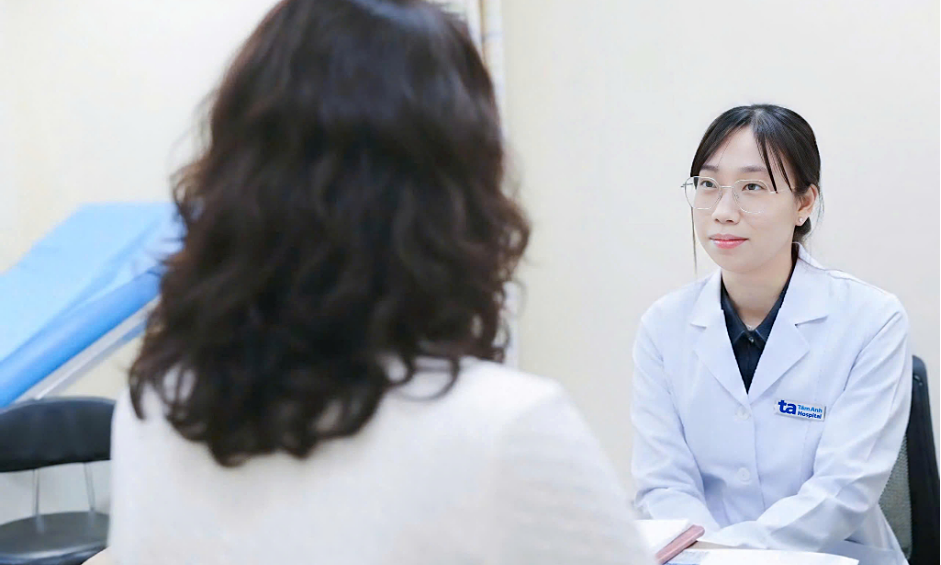
Mild deviated septums do not require treatment. However, if the condition causes prolonged nasal congestion or frequent nosebleeds that affect quality of life, a medical examination is recommended for proper diagnosis, suitable treatment, and complication prevention.
There is no specific medication to treat a deviated septum. Doctors typically prescribe conservative treatment to alleviate symptoms and reduce swelling. In addition, patients should rinse their nose daily with saline solution to cleanse the mucous membranes and limit infections.
 |
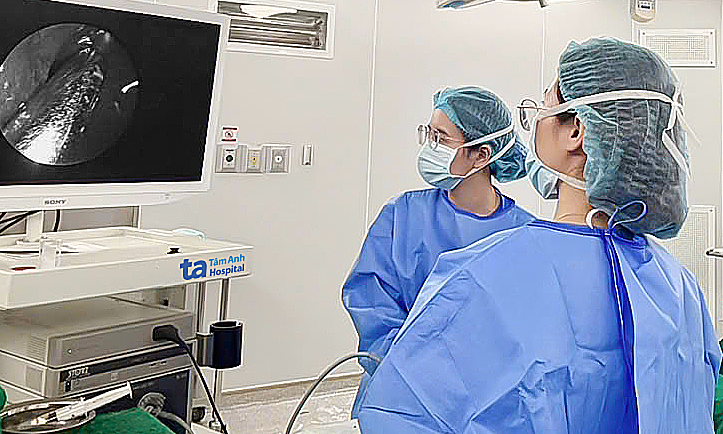
Doctor Phat performs a nasal endoscopy on one patient. Illustrative photo: Tam Anh General Clinic District 7 |
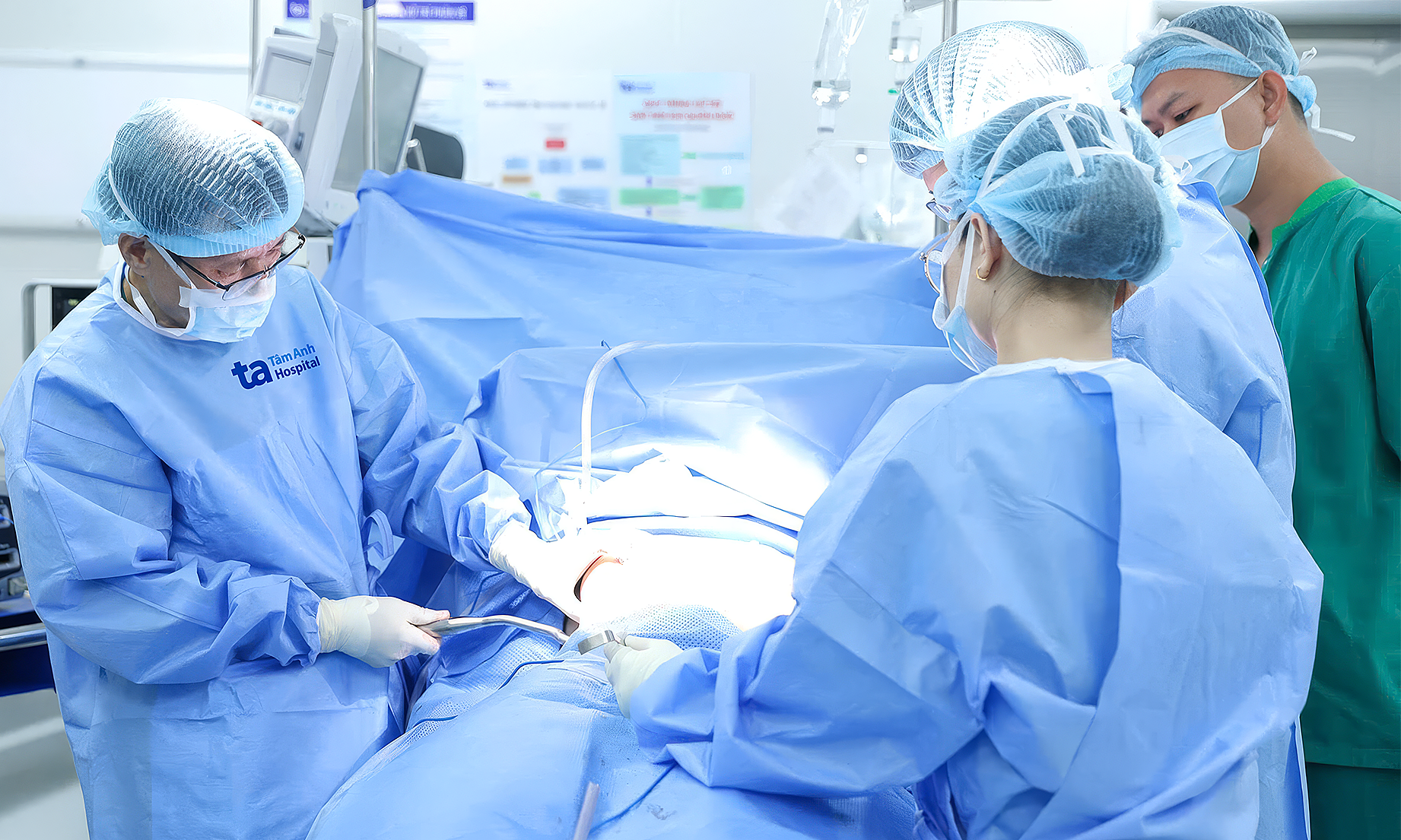
If conservative treatment does not improve the condition, doctors may recommend septoplasty. This surgical procedure removes the deviated cartilage, repositioning the septum to a more balanced position and improving the airway. This surgery is relatively safe, with a quick recovery time, lasting approximately 30-45 minutes, and patients are typically discharged after one day.
You should consult a doctor for examination, diagnosis of the cause, and current condition, to determine the most suitable treatment method.
Master, Doctor, First Degree Specialist Truong Tan Phat
Head of Ear, Nose, and Throat Department
Tam Anh General Clinic District 7
| Readers can submit questions about ear, nose, and throat conditions here for a doctor's answer. |