Answer:
Pigeon meat offers significant nutritional value. According to the U.S. Department of Agriculture, a 100g serving of pigeon meat provides 18-23g of high-quality protein, 4-5mg of easily absorbed heme iron, along with 2-3mg of zinc, B vitamins like B6, B12, niacin, and minerals such as phosphorus and selenium. These micronutrients are crucial for blood formation, immune system support, and nervous system function.
Despite these benefits, daily consumption of stewed pigeon meat is not advisable. Prolonged stewing can increase the amount of purine dissolved in the broth. Purines are compounds found in animal muscle and connective tissues. When meat is cooked or stewed for extended periods, nucleic acids break down, causing more purines to dissolve into the broth, especially if the broth is concentrated.
Consequently, individuals with gout, elevated blood uric acid, or those at risk of metabolic disorders should exercise caution. Consuming large quantities of concentrated broth can increase purine intake, potentially triggering acute gout attacks.
Patients with chronic kidney disease must manage their protein intake under the guidance of a doctor or nutritionist. Individuals with dyslipidemia should also be mindful if the dish is prepared with excessive fat or combined with other high-fat foods.
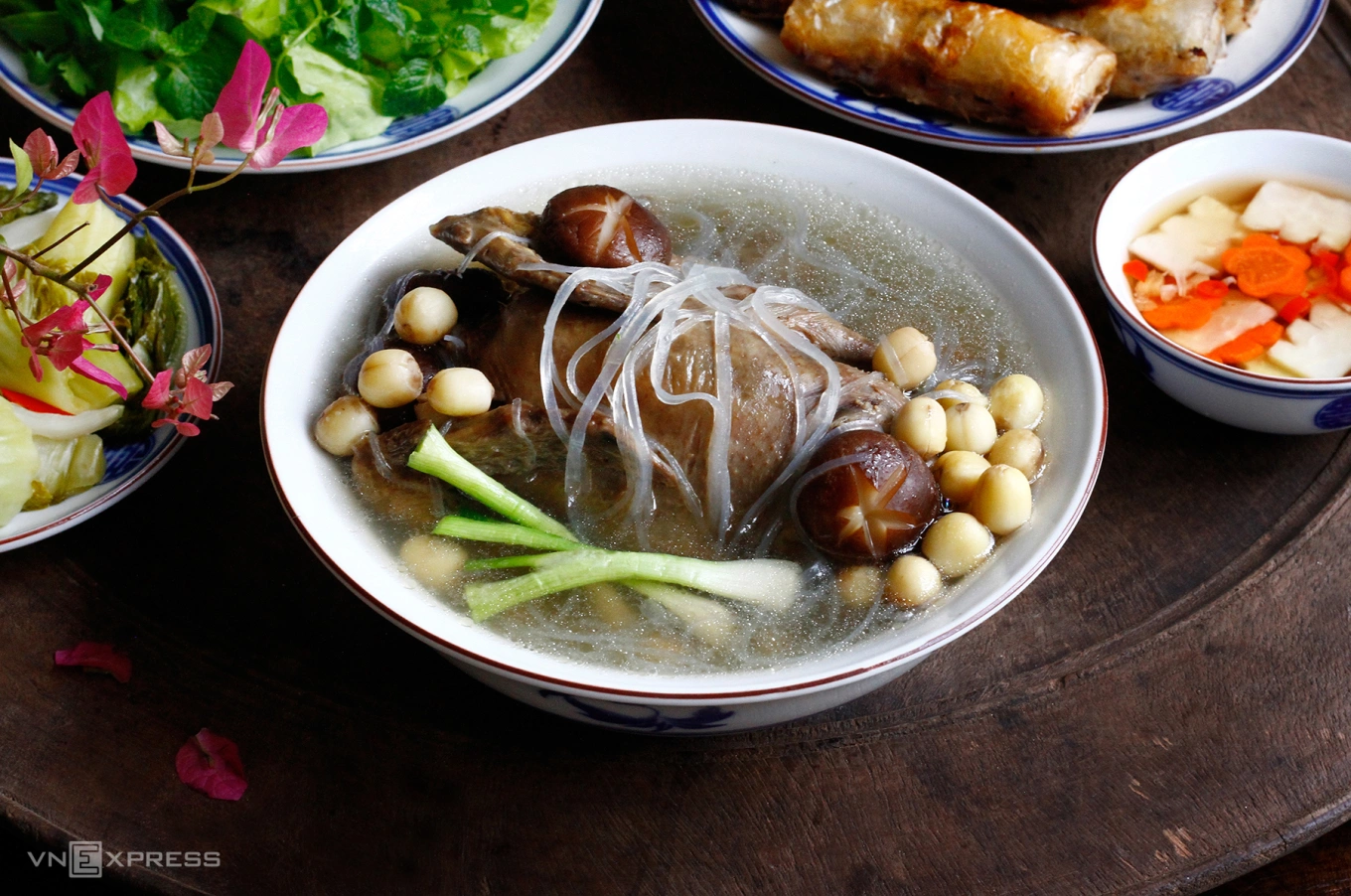 |
Pigeon is a nutritious food, but it should not be overused. Bui Thuy.
Doctor Le Thi Huong Giang
Head of Dietetics and Nutrition Department, 19-8 Hospital (Ministry of Public Security)