Dr. Duong Quang Huy, Head of the Andrology Unit at the Center for Reproductive Assistance, Tam Anh General Hospital - District 8, stated that Mr. Quan's glans penis was covered in clustered warts. This led the patient to mistake them for pearly penile papules or benign skin tags, which are small bumps appearing in rows. Doctors diagnosed him with genital warts caused by human papillomavirus (HPV) infection.
Dr. Huy used a high-frequency current from a unipolar electrosurgical knife to directly burn the warts on the skin, destroying the wart tissue and preventing HPV from developing at the lesion site. After more than 10 minutes, the warts were removed, and Mr. Quan was discharged the same day. He received instructions on at-home wound care, emphasizing avoiding contact and sexual intercourse to limit infection.
At Mr. Quan's age, the immune system begins to weaken, allowing HPV to develop faster. Therefore, a combined treatment of surgical intervention and internal medicine was necessary. Dr. Huy prescribed antibiotics for local infection prevention and immune-boosting medications to help the body naturally suppress the virus from within. He scheduled regular follow-up appointments. To maintain a naturally strong immune system, Mr. Quan also needs to quit smoking, limit alcohol, eat a nutritious diet, get adequate rest, and avoid stress.
Doctors advise patients to also get tested for other sexually transmitted diseases, including HIV, gonorrhea, syphilis, and hepatitis B and C, to avoid overlooking potential risks.
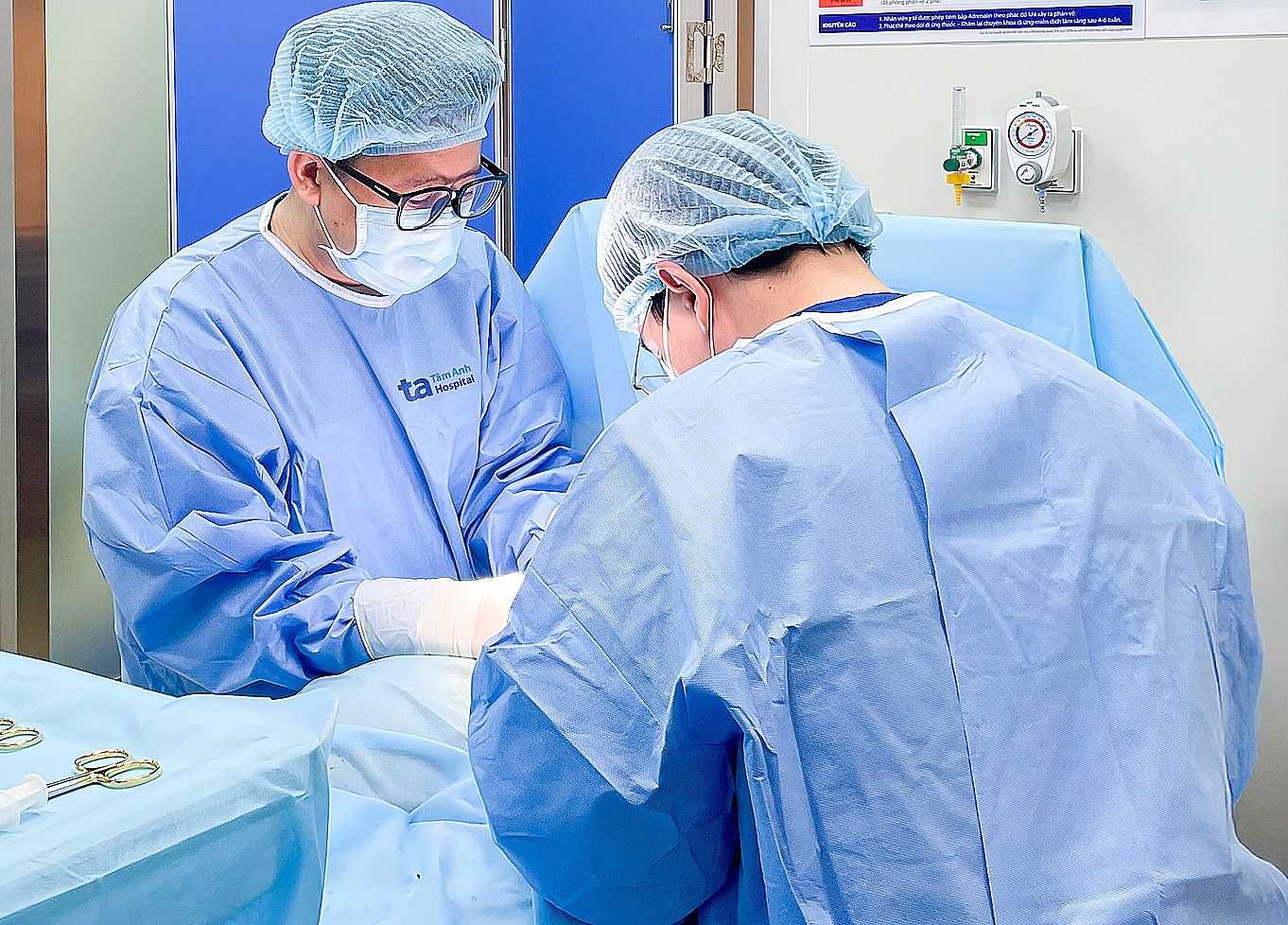 |
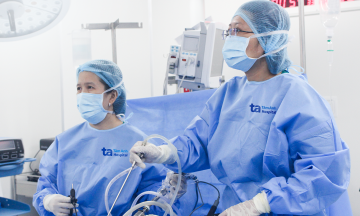
Dr. Huy (left) performs electrosurgical treatment for genital warts. Photo: Tam Anh General Hospital
Genital warts are one of the most common sexually transmitted diseases. The main causes include: unprotected sexual intercourse, direct skin-to-skin contact in the genital area, or sharing personal items like towels or underwear that contain bodily fluids from an infected person and have open wounds.
The incubation period for genital warts can range from a few weeks to several months, or even many years. Symptoms of the disease include: small, soft, pink or gray warts, raised like papillae. Initially, these warts appear individually, then merge into large clusters resembling a rooster's comb or cauliflower. Most cases are painless, but patients may experience itching, discomfort, or slight bleeding after intercourse.
If left untreated, genital warts, especially when combined with high-risk HPV strains (types 16 and 18), can lead to penile cancer, anal cancer, and oropharyngeal cancer.
Currently, there is no method to completely eliminate HPV from the body. Depending on the condition, doctors may prescribe topical medications, cryotherapy with liquid nitrogen, electrosurgery, CO2 laser, or surgery to remove the warts and reduce symptoms.
Dr. Huy recommends HPV vaccination as an effective preventative measure. Practicing safe sex and undergoing regular health check-ups are also crucial. If symptoms appear, it is essential to seek examination at a hospital for proper treatment, rather than self-medicating, as this can lead to ulcers and more severe infections.
Dinh Lam
*Character's name has been changed