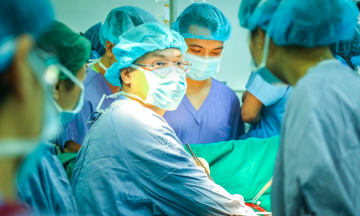
Ms. Tuyet's surgery addressed a significant hyperthyroid goiter that had developed from small nodules. This intervention was crucial to prevent further growth and compression of surrounding organs. The procedure involved removing nearly all of her thyroid gland while preserving some tissue to avert lifelong thyroid hormone medication.
Graves' disease, an autoimmune condition of the thyroid, is the most common cause of hyperthyroidism. Doctor Lam Van Hoang, Head of Endocrinology and Diabetes Department, Tam Anh General Hospital TP HCM, explained that typical symptoms include a goiter, exophthalmos (bulging eyes), and a rapid heartbeat. While it can affect any age group, it is most prevalent in individuals aged 20 to 40.
Ms. Tuyet was diagnosed with Graves' disease at 18, presenting with small thyroid nodules less than one cm in both lobes. Initially, she responded well to medical treatment, and her symptoms were controlled. However, for the past three years, her condition worsened, characterized by exophthalmos, facial swelling, and a persistent heart rate above 100 beats per minute. The two thyroid nodules also progressed into goiters measuring 5-6 cm, accompanied by fatigue and loss of appetite. Due to these complications and drug resistance, doctors recommended surgery.
Doctor Le Thi Ngoc Hang, from the Center for Thoracic and Vascular Surgery at Tam Anh General Hospital TP HCM, highlighted that hyperthyroid goiter surgery presents considerable challenges. Risks associated with thyroid tumor removal include hoarseness from recurrent laryngeal nerve damage or numbness in the limbs due to hypocalcemia (low calcium levels). The primary concern during hyperthyroid goiter surgery is the potential for uncontrollable bleeding.
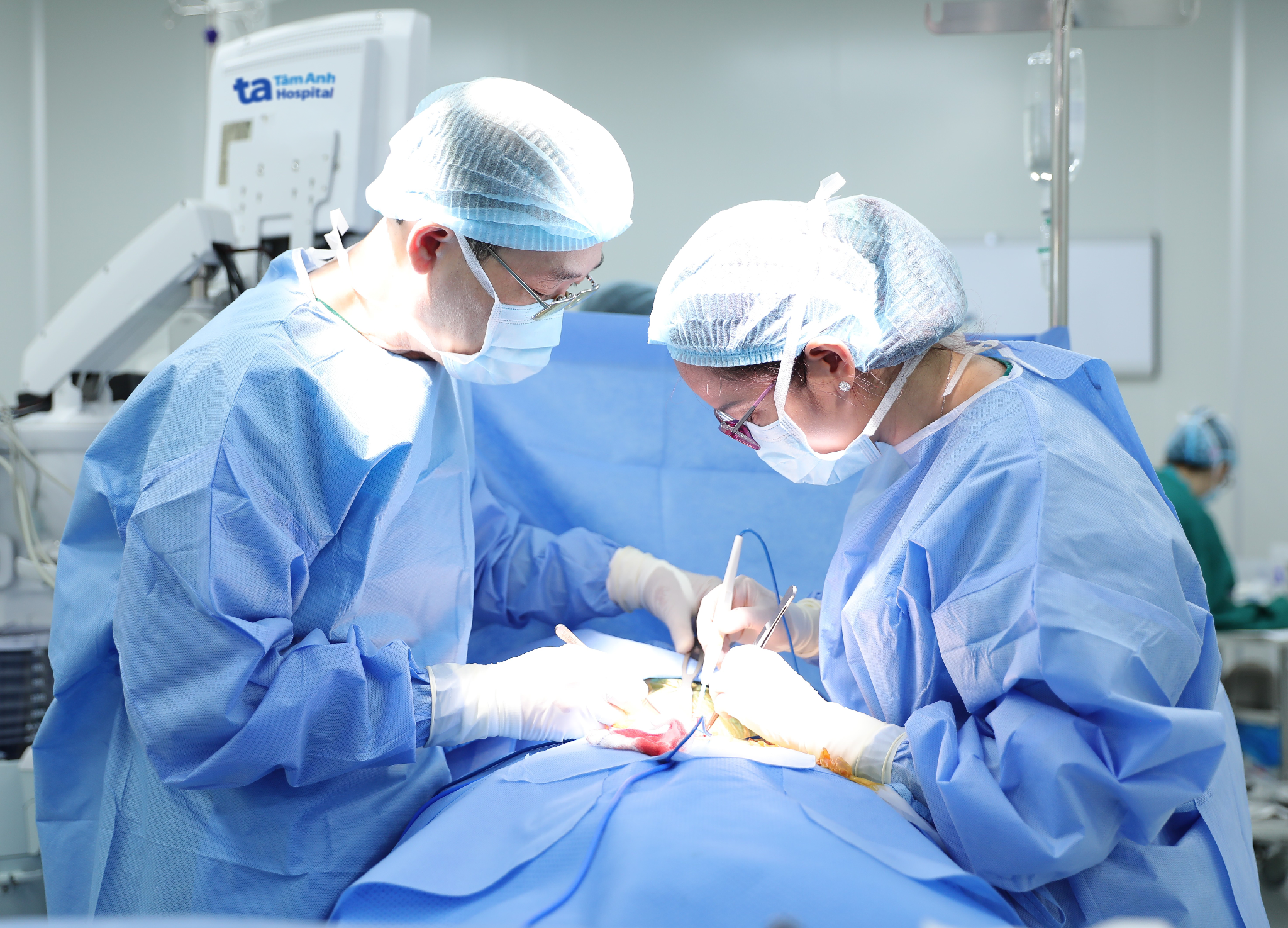 |
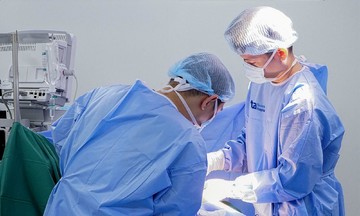
Doctor Hang (right) and her surgical team removing a hyperthyroid goiter from a patient. *Photo: Trung Vu* |
To mitigate cardiovascular risks from a sudden release of thyroid hormones during the operation, Ms. Tuyet's hyperthyroidism was stabilized before surgery. After two weeks of preparatory treatment, her thyroid function tests normalized, and her heart rate dropped below 100 beats per minute, allowing the surgical team to proceed.
The two-hour procedure involved carefully dissecting the goiter and removing most of the thyroid gland. Surgeons prioritized avoiding damage to blood vessels and controlling any risk of significant bleeding. A small portion of thyroid tissue was intentionally left behind to prevent post-operative hypothyroidism, which would otherwise necessitate lifelong thyroid hormone replacement therapy.
Ms. Tuyet recovered well, eating and speaking normally, and was discharged two days after the surgery. Pathology results confirmed the goiter was benign.
Hyperthyroid goiter, characterized by abnormal thyroid gland growth and increased hormone production, can disrupt many bodily functions. Even small thyroid nodules can cause hyperthyroidism, known as toxic nodular goiter. If left uncontrolled, the condition can lead to severe complications affecting various systems:
- Cardiovascular system: rapid heartbeat, atrial fibrillation, heart failure, hypertension
- Nervous system: irritability, emotional dysregulation, hand tremors, muscle weakness
- Musculoskeletal system
Beyond Graves' disease, hyperthyroidism can stem from other causes, including thyroiditis, overactive thyroid nodules, excessive iodine intake, or overuse of hormone medications. Doctor Hoang advises individuals to undergo regular health check-ups, especially those in high-risk groups, and to maintain a balanced diet with adequate iodine while avoiding processed foods, to help prevent the condition.
Thu Ha
*Patient's name has been changed
| Readers can send questions about endocrine diseases here for doctors to answer. |