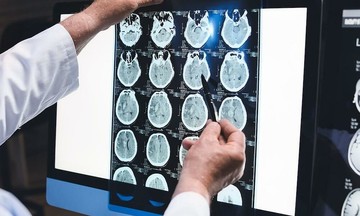
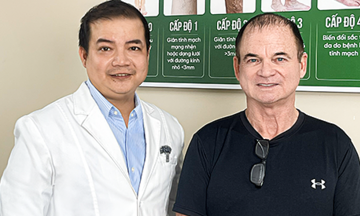
Dr. Bui Chau Hien Dang, a Specialist Level I Doctor in the Cardiovascular Surgery Department at Tam Anh General Hospital Ho Chi Minh City's Cardiovascular Center, reported Mr. Van suffered from severe left carotid artery stenosis. Scattered mixed atherosclerotic plaques within the carotid artery lumen reduced blood flow to the brain. This caused Mr. Van to experience dizziness and chest tightness during exertion, increasing his risk of transient ischemic attack and stroke. Given the complex nature of the plaque, the medical team opted for carotid endarterectomy as the most effective treatment.
Prior to surgery, doctors administered antiplatelet medication to the patient. They also managed his hypertension and dyslipidemia to minimize the risk of complications during and after the procedure.
During the surgery, Master of Science, Doctor Nguyen Hong Vinh, from the Cardiovascular Surgery Department at the Cardiovascular Center, dissected tissue layers to access the carotid artery system. He observed extensive atherosclerosis, with the most severe damage located at the bifurcation leading to the internal carotid artery—the primary branch supplying blood directly to the brain. The surgical team made a longitudinal incision in the artery's anterior wall at the narrowed site and removed the hardened atherosclerotic plaque. Subsequently, doctors utilized a biological patch crafted from the pericardium to widen the vessel lumen, ensuring stable blood flow to the brain and reducing the risk of re-stenosis.
Post-surgery, Mr. Van's neck incision healed well and his symptoms improved. He was discharged after 5 days, with instructions to continue medication and attend regular follow-up appointments.
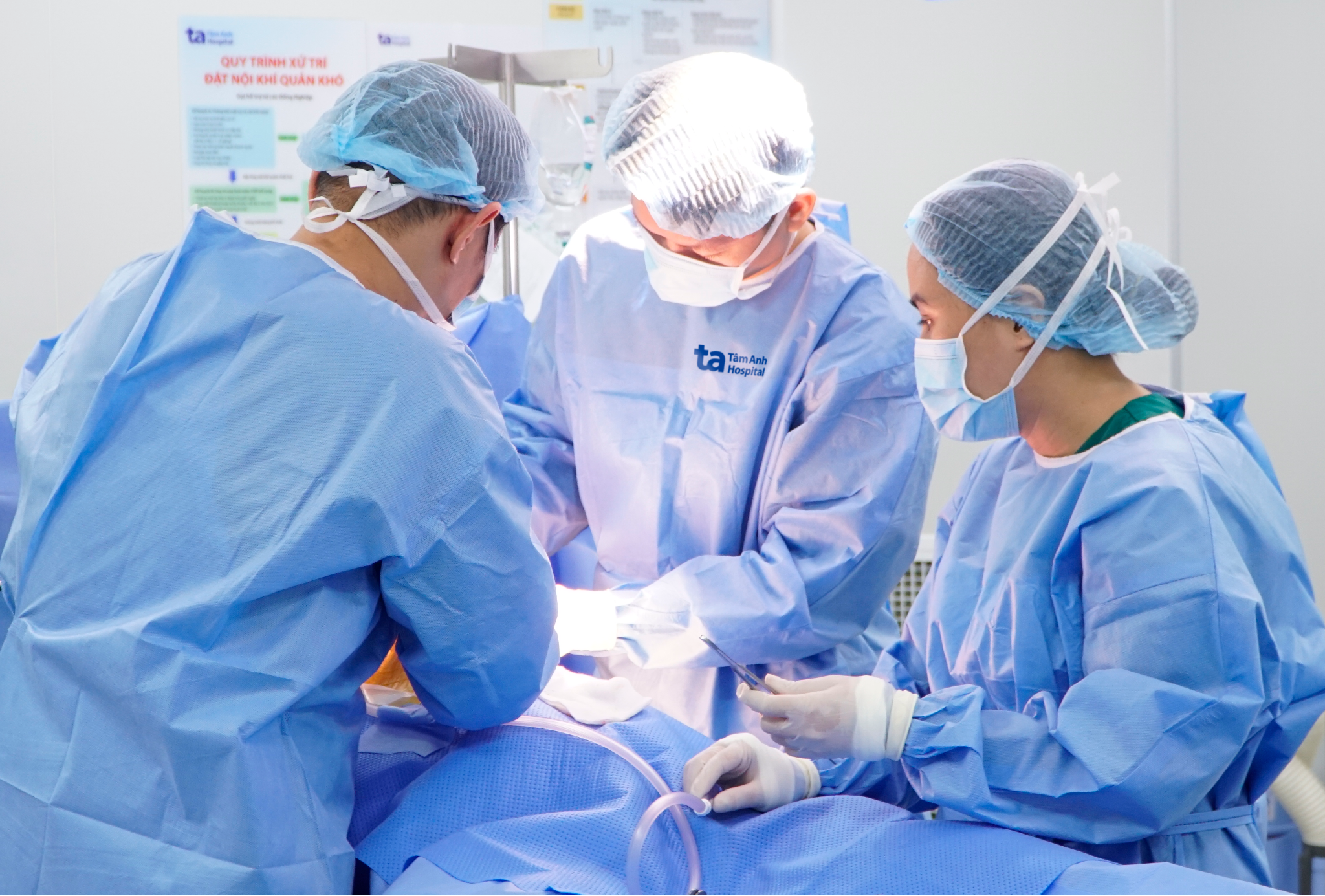 |
The medical team from the Cardiovascular Center performs surgery on a patient. *Photo: Tam Anh General Hospital* |
Carotid artery stenosis typically results from atherosclerotic plaques, which are deposits of fat and cholesterol. This condition is a leading cause of ischemic stroke. It commonly affects individuals 65 years and older or those with pre-existing cardiovascular diseases. Key risk factors include: hypertension, diabetes, dyslipidemia, smoking, obesity, and a prior history of stroke. The disease often progresses silently, with most cases only diagnosed following neurological events like a transient ischemic attack or a stroke. Characteristic symptoms include: weakness or paralysis on one side of the body, facial droop, difficulty speaking, slurred speech, transient vision loss, headaches, dizziness, and fainting.
Doctor Vinh advises individuals with risk factors to undergo regular cardiovascular check-ups. Carotid doppler ultrasound serves as a non-invasive screening method, visualizing blood flow through the arteries to detect any narrowing or blockages. Depending on the specific case, doctors may also order additional imaging tests, such as magnetic resonance imaging, computed tomography, or digital subtraction angiography, to precisely evaluate the degree of stenosis. The primary objective in treating this condition is stroke prevention.
Preventing or slowing the disease's progression involves several lifestyle changes. These include: adopting a healthy diet rich in green vegetables and fruits, limiting salt and harmful fats, engaging in regular exercise, maintaining a healthy weight, refraining from smoking, and effectively managing any underlying medical conditions.
Ngoc Chau
*Patient's name has been changed
| Readers can submit cardiovascular questions here for doctors to answer |