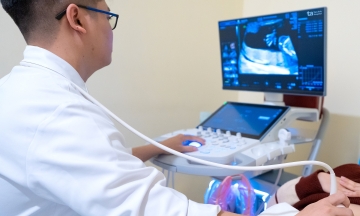
Radiation therapy uses energy beams to destroy cancer cells. External beam radiation therapy typically does not cause pain during the treatment session. Patients lie on a treatment table, and the machine moves around the body, directing the beams precisely to the target area. This process does not involve scalpels, needles, or instruments that directly touch the body.
Biologically, ionizing radiation interacts with tissues at the cellular and molecular level, causing direct or indirect DNA damage. This leads to cancer cells losing their ability to divide and gradually dying. These changes occur at a microscopic level and do not resemble immediate sensations of cutting, compression, burning, or mechanical impact, thus not causing pain during the radiation session itself.
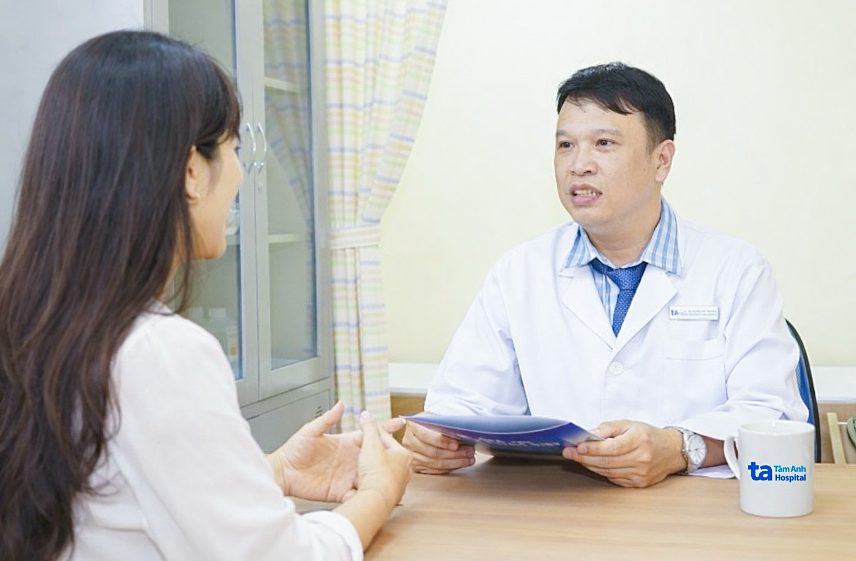 |
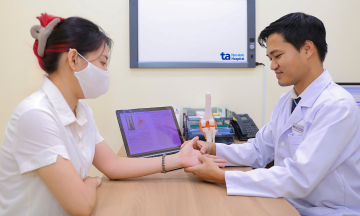
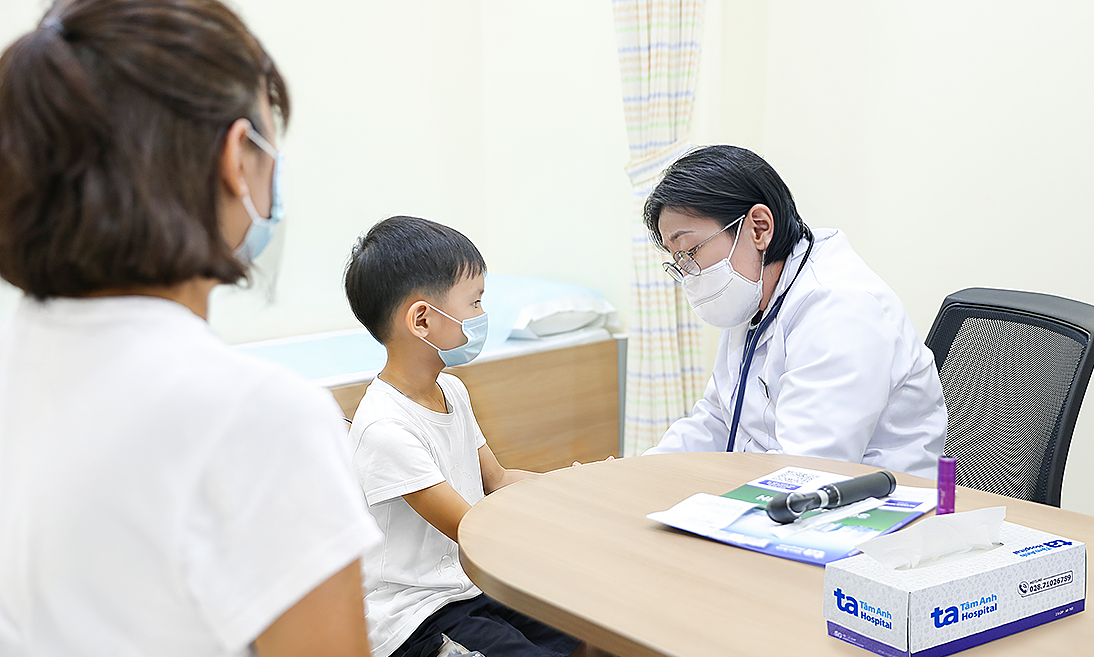
Doctor Hien advises a patient. Illustration: Tam Anh General Hospital |
However, after multiple treatment sessions, some healthy tissues within the irradiated area, especially the skin and mucous membranes, may experience temporary irritation or inflammation. Patients may experience side effects such as skin redness, skin irritation, dry skin, mucositis, sore throat, painful swallowing, diarrhea, painful urination, or fatigue, depending on the treated area.
Most side effects are manageable and gradually improve after treatment, but their severity varies among individuals. Some cases may require pain medication, topical creams, skin care, mucous membrane care, or nutritional support as prescribed by a doctor.
For instance, patients experiencing radiation dermatitis, peeling, or redness can use moisturizing creams for relief. Patients should keep their skin dry and clean, avoiding friction, scratching, or exposure to polluted environments. If skin infection occurs, doctors may prescribe additional topical or oral medications. In cases of severe pain, doctors will prescribe pain relievers.
Some late side effects, such as tissue fibrosis or lymphedema, rarely occur with high-tech radiation therapy.
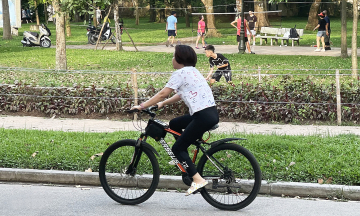
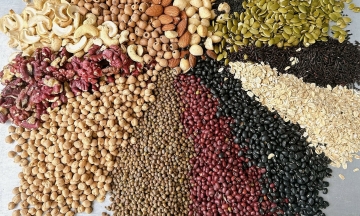
After radiation therapy, you should eat a nutritious diet, increasing lean meat, eggs, fish, vegetables, and fruits to improve overall health. Drinking about two liters of water daily, walking, light exercise for 30 minutes each day, and maintaining an optimistic outlook contribute to boosting metabolism and reducing fatigue and muscle weakness. Patients should have regular follow-up appointments after treatment to monitor for any abnormalities and ensure timely intervention.
Doctor Nguyen The Hien
Head of Radiation Therapy Department, Oncology Center
Tam Anh General Hospital, TP HCM
| Readers can submit questions about cancer here for doctors to answer. |