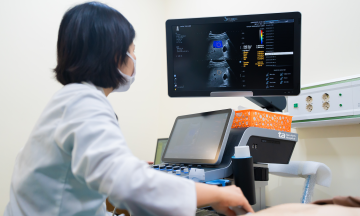
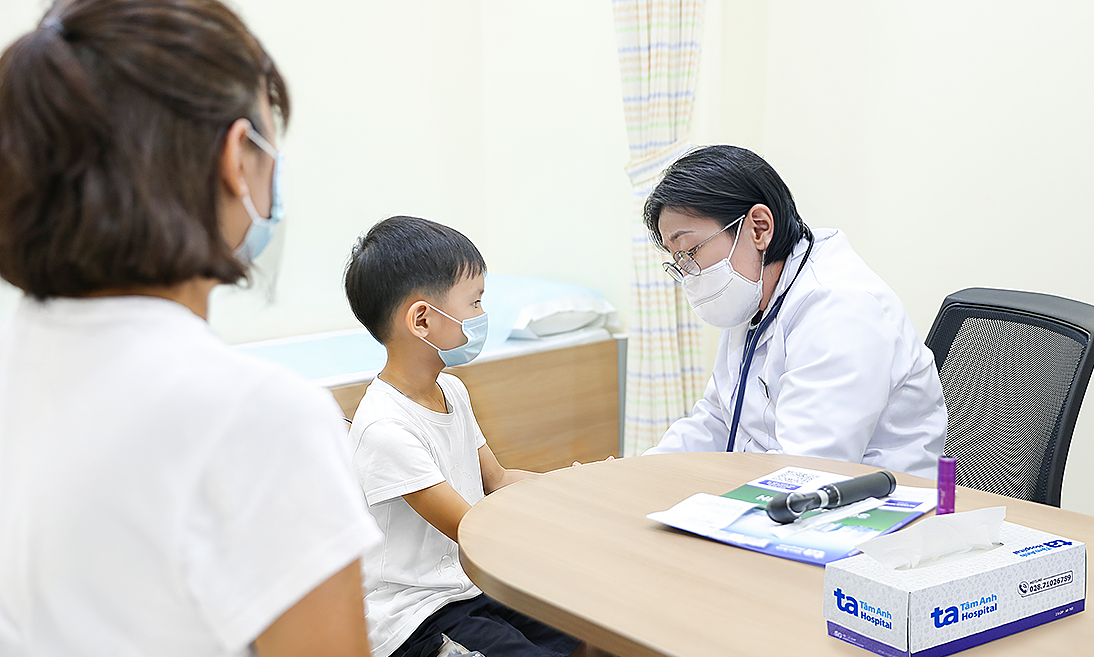
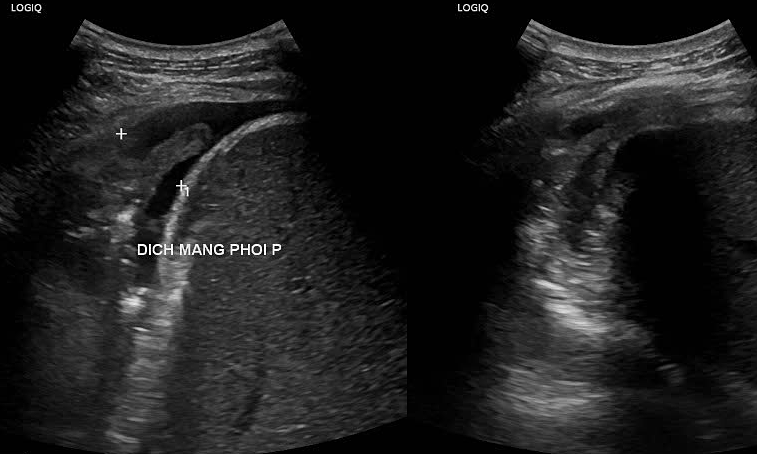
Ms. Le experienced a heavy, throbbing sensation in her two legs, along with visible subcutaneous varicose veins, swelling, and nocturnal leg cramps. Dr. Nguyen Thu Trang, a Second-Degree Specialist Doctor and Deputy Head of the Cardiology Department at Tam Anh Cau Giay General Clinic, diagnosed her with bilateral great saphenous vein insufficiency. This superficial vein runs from the ankle up the inner calf and thigh, draining into the deep venous system in the groin area. The patient's right great saphenous vein arch had a large aneurysm, measuring approximately 28 mm in diameter.
According to Dr. Trang, a venous aneurysm at the great saphenous vein arch, such as Ms. Le's, carries a risk of thrombotic embolism due to blood stasis within the aneurysm. The patient underwent surgical removal of the aneurysm combined with endovascular intervention to treat the insufficient veins during the same procedure.
The surgical team ligated the side branch and excised the aneurysm at the saphenous vein arch. Subsequently, the team injected bio-adhesive glue into the insufficient segments of the vein, effectively closing the diseased vessels without the need for open surgery. Ms. Le had only one small incision in the groin area, recovered quickly after the intervention, was discharged the next day, and continued with outpatient follow-up.
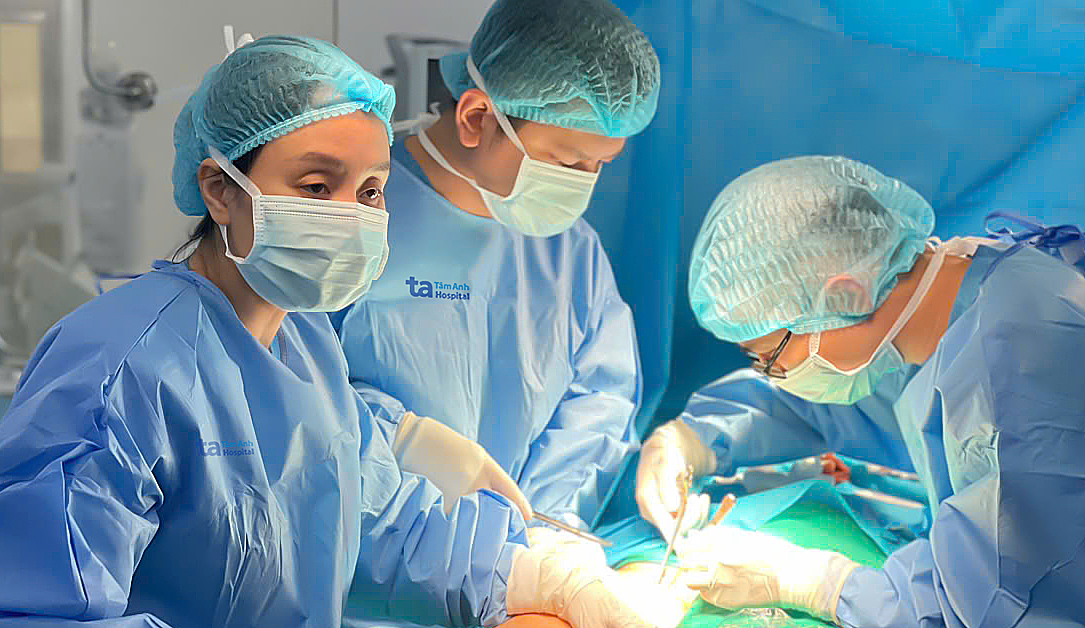 |
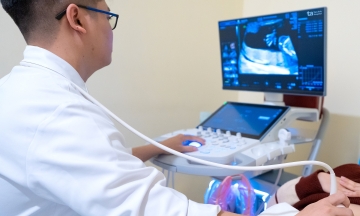
The surgical team performed aneurysm removal combined with endovascular intervention for the patient. Photo: Tam Anh General Hospital
According to Dr. Trang, in addition to common risk factors like multiple pregnancies and middle age, the cause of Ms. Le's condition may be related to congenital abnormalities of the venous valve system, including short valve leaflets.
Patients are advised to walk gently every day to promote blood circulation and avoid prolonged standing or sitting. Initially after treatment, Ms. Le should limit strenuous activities and elevate her legs during sleep to enhance venous return. She should seek medical attention if abnormal signs appear, such as sudden severe leg swelling, persistent pain unrelieved by rest, or signs of infection in the treated area.
Varicose veins, or venous insufficiency, occur when the valves inside the veins become dysfunctional, preventing blood from flowing unidirectionally back to the heart. Instead, blood pools in the lower limbs. Patients often experience numbness, tingling, and leg swelling by the end of the day. In later stages, this can lead to skin changes and an increased risk of ulcers.
According to Dr. Trang, venous disease often progresses silently over a long period, with initial symptoms easily overlooked. Individuals in high-risk groups, such as those with a family history of venous disease, women, overweight individuals, those with multiple pregnancies, or those whose occupations require prolonged standing or sitting, should undergo early screening to reduce the risk of blood clot formation.
Ly Nguyen
| Readers can submit questions about cardiovascular disease here for doctors to answer |