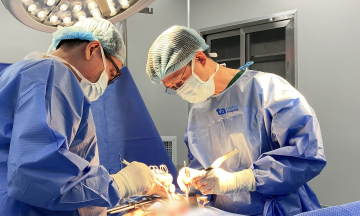
Common eye conditions like cataracts and retinal degeneration are often linked to oxidative stress, the aging process, and the impact of environmental pollution and ultraviolet rays.
According to doctor Hoang Quyet Tien, from the Medical Information Center at Tam Anh General Hospital, Ho Chi Minh City, specific antioxidants, vitamin A, vitamin B, and zinc can help protect the retina and slow the progression of eye diseases in high-risk groups. Alongside green vegetables and fruits, many types of beans also offer vitamins, minerals, and other nutrients beneficial for vision.
Black beans contain anthocyanins, powerful antioxidants responsible for the characteristic dark purple color of their husks. These compounds can neutralize free radicals, protecting retinal cells from oxidative damage. Black beans also provide B vitamins, which help maintain retinal metabolism, nourishing and safeguarding optic nerve cells.
These beans can be used in porridge, sweet soup, or as a beverage. It is advisable to consume black beans two to three times per week, with each serving being approximately 100-250 ml or one-half small cup. They should be integrated into a varied diet rather than consumed continuously for extended periods.
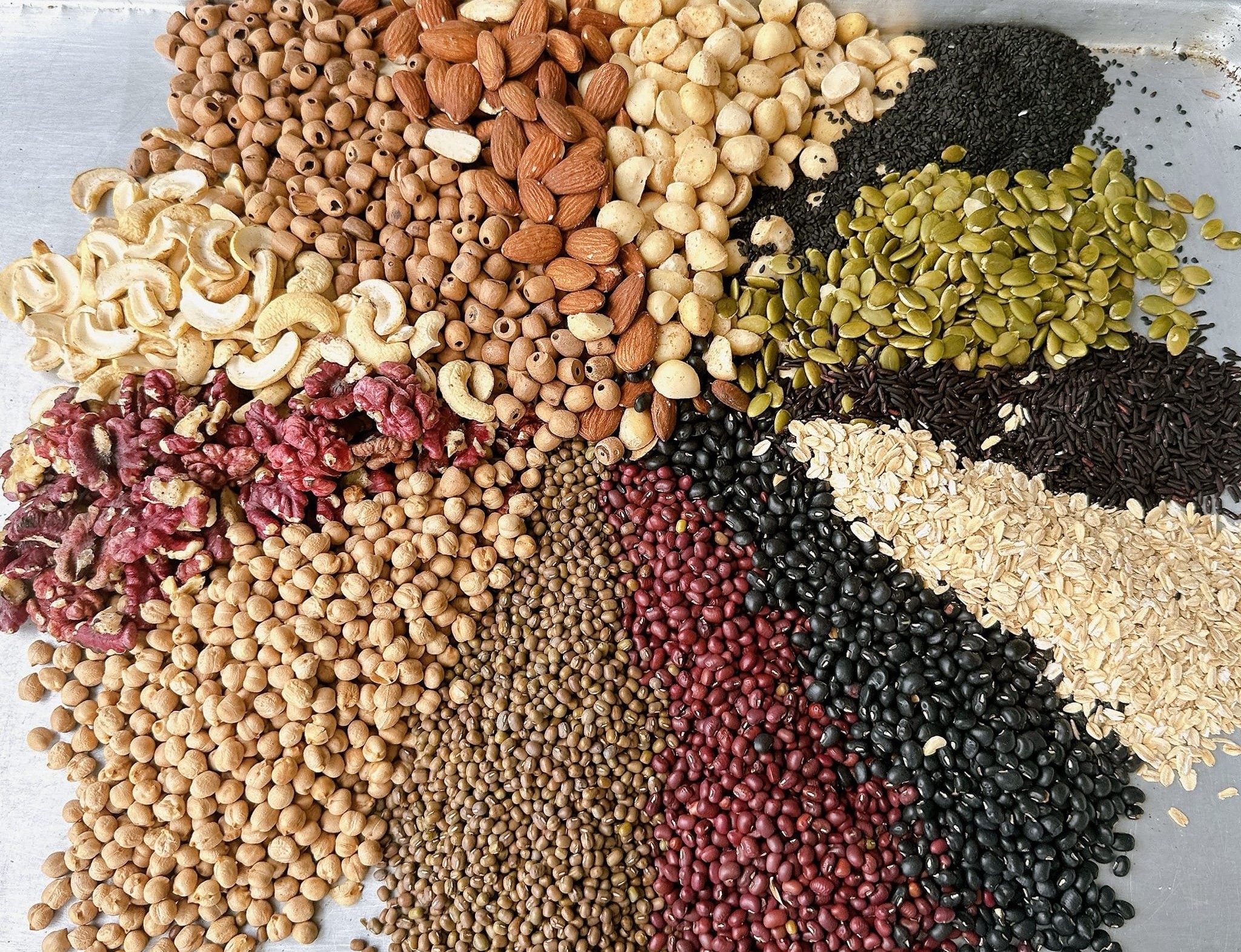 |
Beans provide many vitamins, minerals, and antioxidants beneficial for the eyes. Photo: Dinh Dieu |
Lentils are rich in zinc and bioflavonoids, compounds that help transport vitamin A to the retina, protecting vision and reducing the risk of age-related macular degeneration and cataracts. Lentils can be incorporated into soups, stews, salads, or porridges to support vision.
Mung beans contain lutein and zeaxanthin, carotenoids highly concentrated in the retina and macula of the eye. These can help filter out harmful blue light waves from electronic devices and ultraviolet rays from sunlight, aiding in the prevention of macular degeneration and acting as natural antioxidants.
Mung beans can be prepared as sweet soup, soup, porridge, cakes, or bean sprouts to supplement daily meals.
Red beans are among the highly nutritious legumes, rich in iron, zinc, and antioxidant compounds. These substances support the transport of oxygen to nourish the optic nerves and protect the retina. Red beans can be added to the diet two to three times per week, preferably boiled, and incorporated into healthy savory dishes such as salads, or low-sugar sweet soups.
Soybeans provide zinc, vitamin E, and isoflavones. Zinc participates in retinal activity and aids in transporting vitamin A to the eyes. Vitamin E is an antioxidant that helps protect eye cells from the effects of free radicals. Isoflavones support the reduction of oxidative stress and inflammatory responses in the body.
Doctor Tien notes that while beans contain many beneficial nutrients for the eyes, they should be combined with other foods to ensure a balanced diet. To maintain healthy vision, individuals need to consume a diverse range of foods, increase intake of green vegetables and fruits, get sufficient sleep, allow eyes regular breaks after screen work, and undergo periodic eye examinations.
Regular supplementation with broccophane extract from broccoli can help increase thioredoxin (a small protein that aids in antioxidation), contributing to the protection of retinal pigment epithelial cells and the lens, thereby maintaining long-term vision.
Dinh Dieu
| Readers can send questions about ophthalmological diseases here for doctors to answer. |