According to studies, men have a 26% lower rate of clearing HPV from their bodies compared to women. The prevalence of HPV in the male genital tract is also higher than in females across all ages, indicating a notable difference in how the virus impacts each gender.
HPV tends to persist longer in men's bodies, leading to unintended transmission to partners. Research indicates that nearly one in three men over 15 years old are infected with at least one type of HPV, and approximately one in five carry high-risk types. The lifetime risk of HPV infection for men reaches 91%, higher than the 85% for women. The HPV infection rate in men does not decrease with age, with two peak periods: 28-32 years old and 58-59 years old. Currently, there are no specific HPV screening methods for men, which complicates early detection and virus control.
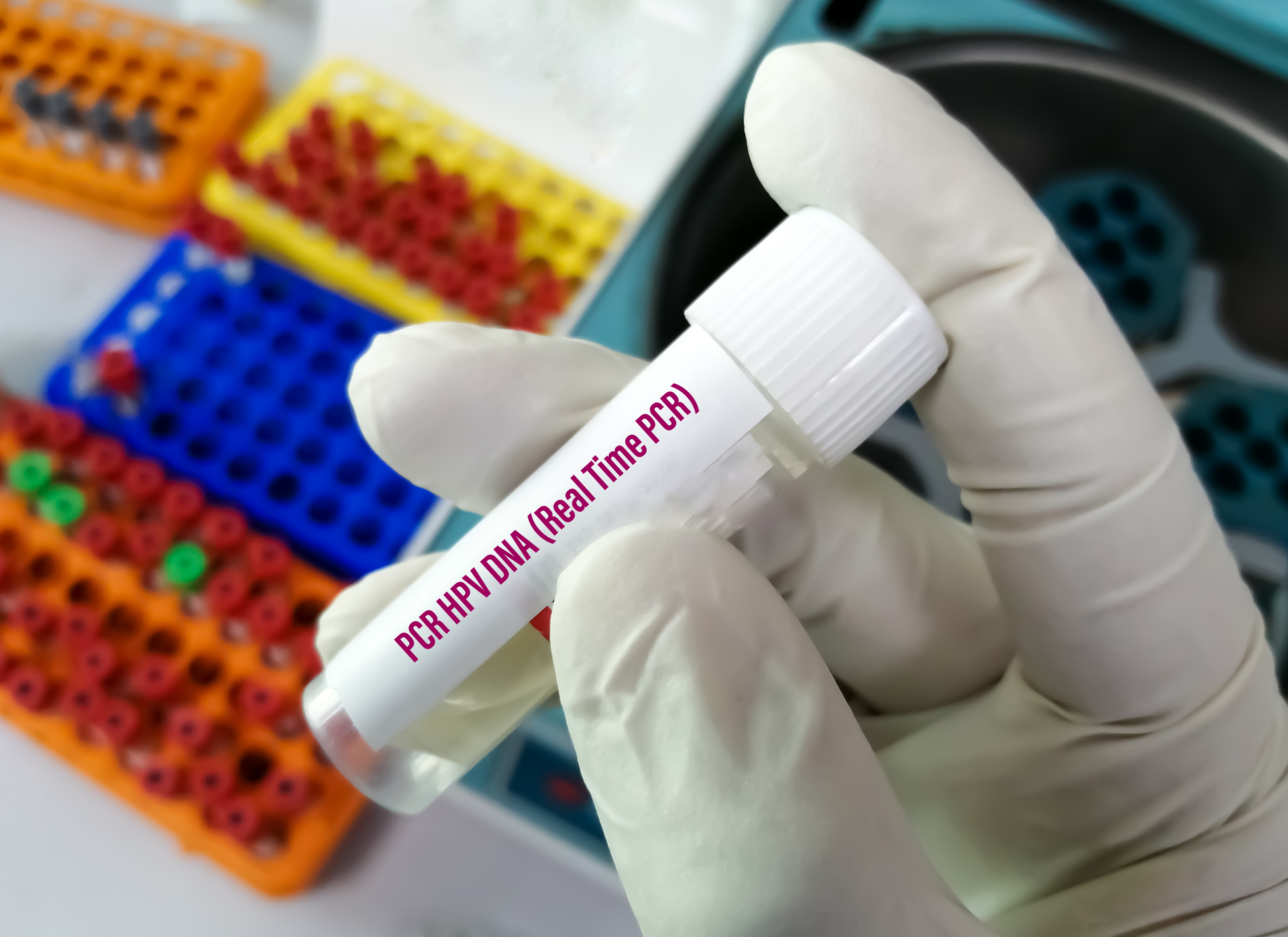 |
Currently, there are no HPV screening methods for men, unlike for women, which reduces the ability for early disease detection. *Illustration: Vecteezy* |
The body's ability to clear the HPV virus depends on various factors, including the immune system, age, overall health, and sexual behavior. Individuals with robust immune systems typically clear the virus better. In contrast, those with weakened immunity, chronic diseases, or HIV infection face a higher risk of longer HPV infection. Age also plays a role; younger bodies often exhibit a stronger immune response than older adults. High-risk types are also harder to clear and more likely to cause cell changes compared to low-risk types.
Lifestyle factors such as smoking, chronic stress, suboptimal nutrition, or having multiple partners can also diminish the body's ability to control the virus.
In women, HPV can cause serious illnesses such as cervical, vaginal, anal, and oropharyngeal cancers. An advantage for women is the availability of screening programs like Pap smears or HPV tests. These tests aid in the early detection of precancerous lesions and facilitate timely treatment.
Individuals infected with HPV should prioritize boosting their health and maintaining a healthy lifestyle. This includes ensuring proper nutrition, getting enough sleep, exercising regularly, managing stress, and quitting smoking. These practices help the immune system function better. Additionally, practicing safe sex, using condoms, and limiting the number of partners can reduce the risk of reinfection or virus transmission.
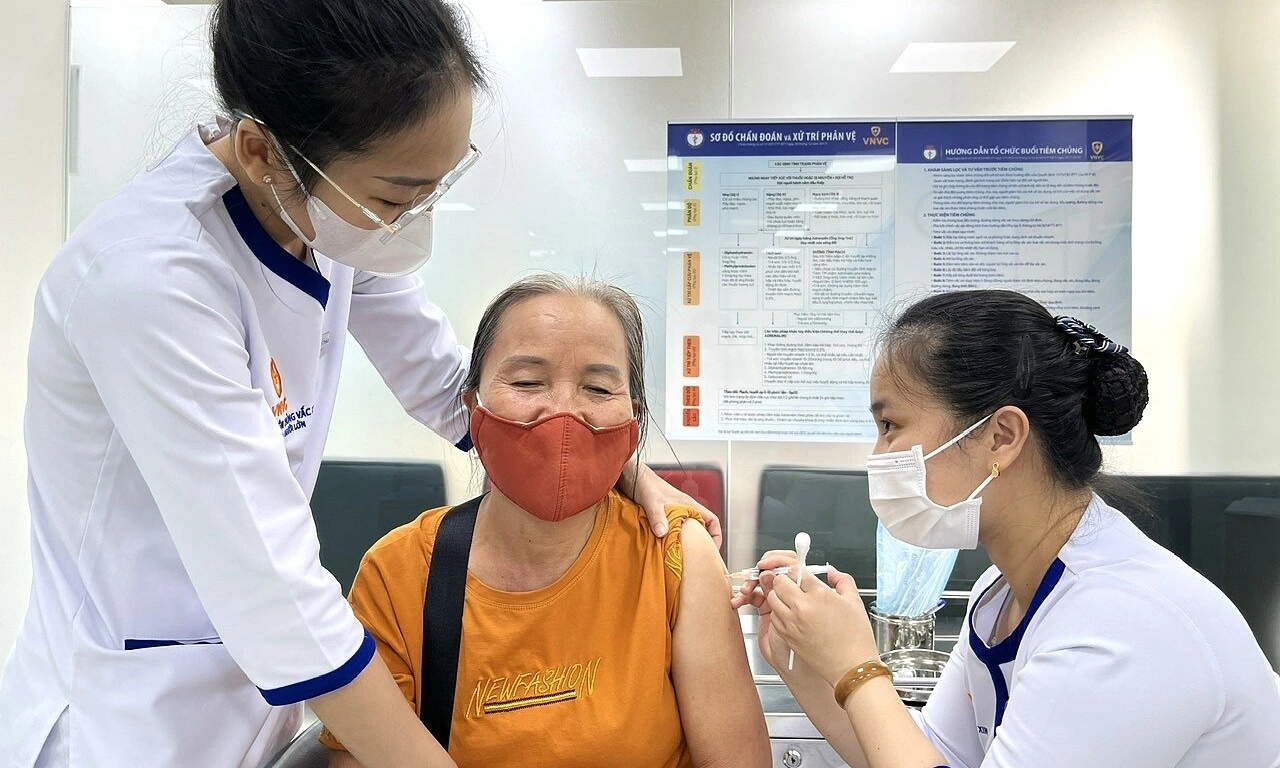
Both men and women can prevent HPV infection through vaccination. Vietnam currently offers two HPV vaccines: Gardasil, which protects against four types (6, 11, 16, 18), and Gardasil 9, which protects against nine types (6, 11, 16, 18, 31, 33, 45, 52, 58). Gardasil is administered to females from 9 to 26 years old, while Gardasil 9 is available for both males and females from 9 to 45 years old.
Doctor Le Thi Minh Nguyet, Medical Manager, VNVC Vaccination System.
Readers can submit vaccine-related questions for a doctor to answer here.