Many busy individuals experience disrupted daily routines, leading to irregular eating habits. Some skip breakfast, rush through lunch, eat only when extremely hungry, or consume meals very close to bedtime. Initially, this might manifest as a loss of appetite, but over time, it can lead to bloating, slow digestion, post-meal drowsiness, a heavy feeling in the stomach, and alternating constipation and loose stools. Prolonged irregular eating can severely harm the body's metabolic and digestive capabilities, as the body requires not only food but also the ability to properly receive and process it.
Maintaining a healthy digestive system goes beyond merely choosing nutritious foods. It encompasses how one eats, when one eats, and the overall moderation in daily habits. A meal's effectiveness is not determined by the sheer number of dishes but by its suitability for one's digestive capacity, its balance of essential nutrients, appropriate preparation, and consumption in a relaxed state.
For example, individuals prone to bloating and slow digestion should prioritize easily digestible, soft-cooked dishes. Avoiding too many different foods at once helps prevent the body from struggling to process them. Food needs to be well-metabolized to provide proper nourishment to the body.
The optimal approach involves maintaining relatively stable meal times and avoiding excessive eating after becoming overly hungry. It is also important to limit eating too close to bedtime. Eating slowly and chewing thoroughly allows the body ample time to receive and begin processing food.
Furthermore, no single diet suits everyone. The same dish might make one person feel healthy while causing bloating and poor digestion in another. Therefore, listening to your body and adjusting meals accordingly is crucial. When the body's internal foundation is properly cared for, it is better equipped to maintain its natural balance.
Many people tend to overeat when faced with delicious food, continuing until their stomachs feel distended. Eating too much overloads the digestive system, leading to food stagnation, bloating, and burping, which can harm health over time. The general rule is to eat until you are 70-80% full. At this point, you should no longer feel hungry but still feel light and comfortable, leaving enough space for the stomach to churn and digest effectively.
 |
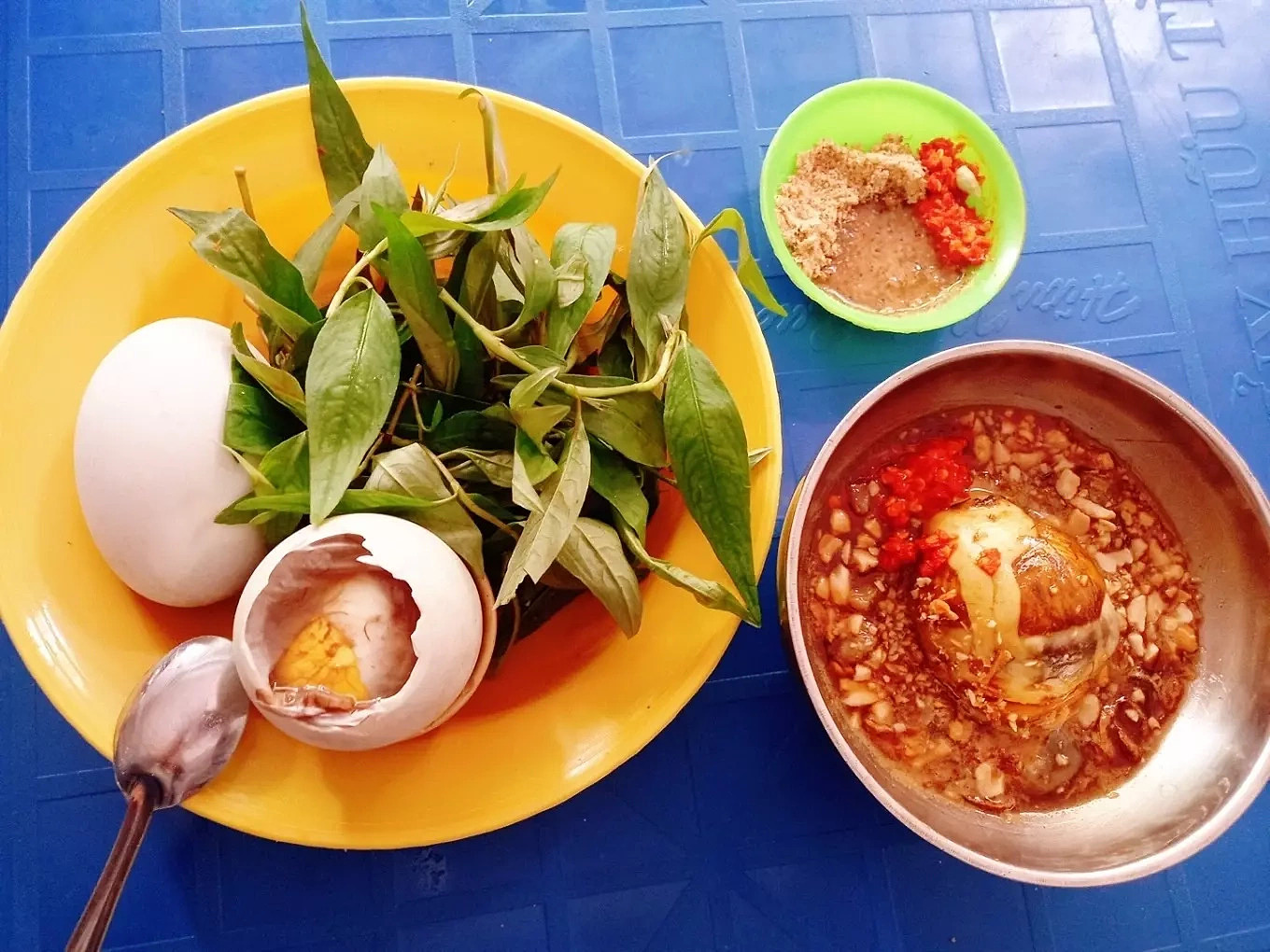
Illustration: Bui Thuy |
Traditional Medicine Practitioner Do Minh Tuan
Vietnam Traditional Medicine Association