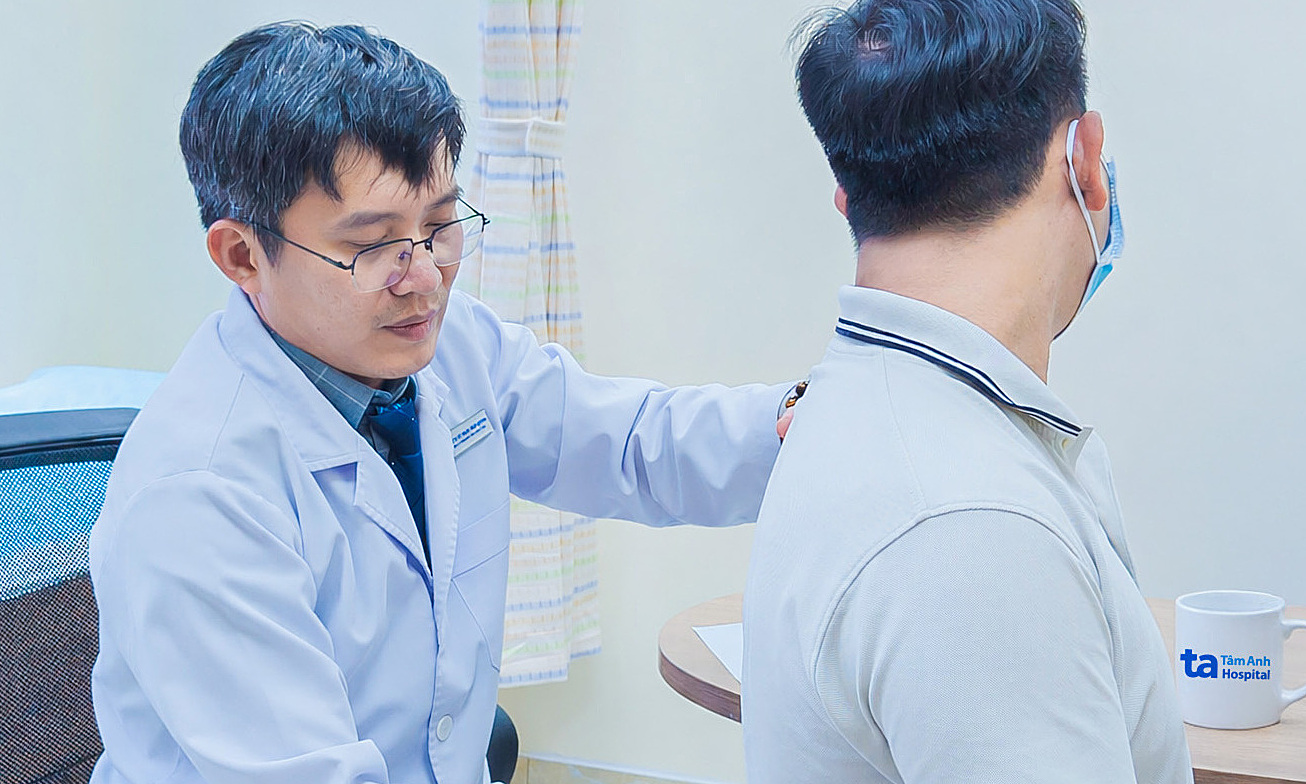
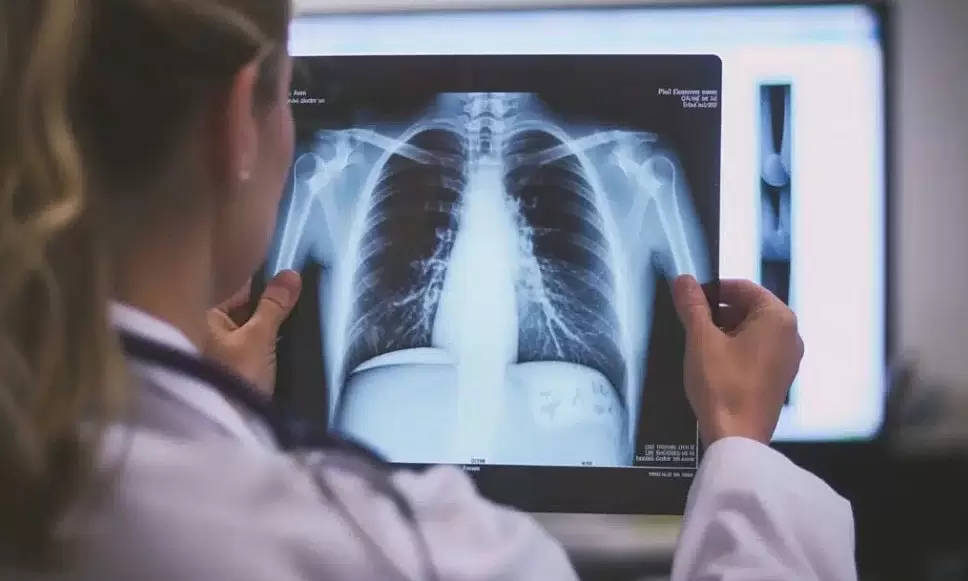
Pre-exposure rabies vaccination is a safe and effective proactive measure, especially crucial for children and individuals frequently interacting with pets. It helps the body develop antibodies against the rabies virus before any potential exposure, thereby providing a layer of protection.
Young children are active and enjoy playing with animals. However, their playful nature can sometimes lead to overstimulation, causing pets to react defensively and bite or scratch. Due to their small stature, children are particularly vulnerable to bites on areas such as the head, face, neck, or upper body. These locations are concerning due to their proximity to the central nervous system, which can shorten the incubation period and onset of rabies if infected. Furthermore, a child might not report a bite or scratch immediately, either due to distraction or fear of reprimand, potentially delaying crucial post-exposure treatment.
Administering a rabies vaccine before exposure establishes antibodies in the body. This approach significantly reduces the severity of the disease and simplifies subsequent treatment if an individual is bitten or scratched by a potentially rabid animal. Once individuals complete the full vaccination schedule, if a suspected rabid animal bites or scratches them later, they only require two booster doses of the vaccine and do not need anti-rabies serum.
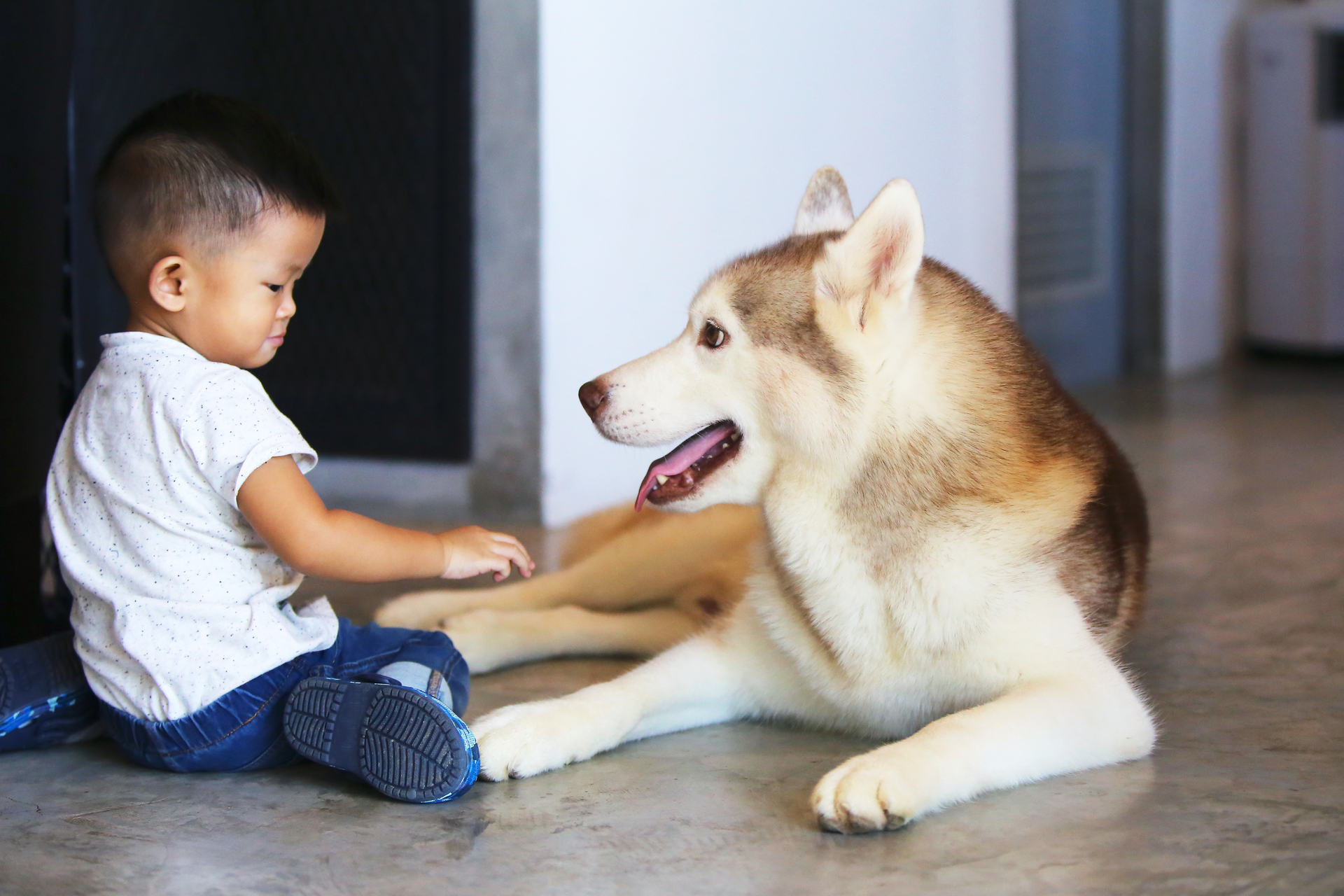 |
Children frequently playing with cats and dogs are at risk of rabies exposure and can receive pre-exposure prophylactic vaccination. *Photo: Vecteezy*
Vietnam currently utilizes two types of new generation rabies vaccines, both officially licensed for circulation. These vaccines are produced without animal brain tissue, ensuring they do not negatively impact memory or overall health. They undergo strict quality control, meeting the standards set by the World Health Organization. Manufacturers also avoid using thimerosal, a preservative, which helps minimize the risk of local side effects such as swelling, pain, or fever at the injection site.
Individuals who have not been bitten or scratched by an animal can receive pre-exposure prophylaxis following a three-dose schedule: on day 0, day 7, and either day 21 or day 28. Beyond children who regularly interact with cats and dogs, other groups are at high risk and should consider proactive vaccination. These include: pet owners, veterinarians, rabies laboratory personnel, animal slaughterers, animal rescuers, and those who travel or work in remote areas.
Doctor Nguyen Van Mac Toan
Medical Manager, VNVC Vaccination System
For further vaccine advice, individuals can consult a doctor.