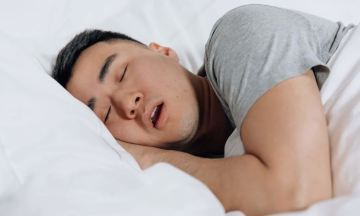
Snoring is a sound produced during sleep when soft tissues in the palate vibrate as air passes through. The intensity of this vibration depends on the thickness of the tissue, the muscle strength in the throat and neck region, the structure of the airway, and the speed and flow of air during breathing.
Common causes of snoring include enlarged tonsils, narrowed pharyngeal isthmus, deviated nasal septum, elongated soft palate, enlarged tongue base, nasopharyngeal tumors, aging, overweight or obesity, and chronic nasal congestion.
Loud, intermittent snoring accompanied by episodes of sleep apnea and sudden awakenings at night can indicate obstructive sleep apnea (OSA). This condition involves repeated blockages of the upper airway during sleep, leading to a reduction or complete cessation of airflow for more than 10 seconds, followed by gasping and rapid breathing. Other accompanying symptoms include dry mouth, fatigue upon waking, daytime sleepiness, headaches, and reduced concentration.
If your husband's snoring is physiological, often due to fatigue from work, alcohol consumption, or an incorrect sleeping position, doctors typically advise avoiding alcohol, sleeping on his side instead of his back, losing weight, and exercising regularly to reduce snoring.
However, if snoring is caused by medical conditions such as sleep apnea syndrome, enlarged tonsils, narrowed pharyngeal isthmus, deviated nasal septum, or nasopharyngeal tumors, the treatment method will vary depending on the specific cause.
 |
Doctor Thuc Nhu performing a nasal endoscopy on a patient. Illustration: Tam Anh General Hospital
Doctors often prioritize medical treatment to reduce inflammation and swelling. Additionally, continuous positive airway pressure (CPAP) therapy may be used to keep the patient's airway open during sleep, reducing obstruction, or supplemental oxygen therapy may be provided. Surgery is indicated when the cause and severity of the condition are clearly identified, medical treatment has not been effective, and there is peripheral obstruction. In such cases, surgery aims to widen the airway and resolve the obstruction.
Your husband should seek a medical examination. The doctor may recommend endoscopy and polysomnography to determine the cause of snoring, leading to an accurate diagnosis and appropriate treatment to prevent complications.
Master, Doctor, Level one Specialist Nguyen Thi Thuc Nhu
Ear, Nose, and Throat Center
Tam Anh General Hospital TP HCM