Before vision correction, Ms. Thuy had a 4 diopter prescription in each eye. Master of Science, Doctor Pham Huy Vu Tung, Deputy Head of Ophthalmology Department, High-Tech Eye Center, Tam Anh General Hospital Ho Chi Minh City, stated that Ms. Thuy's cornea measured approximately 490 micrometers (µm). This is thinner than the standard for traditional vision correction methods, which typically require more than 500 µm.
Ms. Thuy underwent comprehensive specialized tests, including corneal thickness measurement, corneal mapping, tissue structure evaluation, and calculation of the corneal tissue volume before and after vision correction. Doctors determined that the remaining corneal tissue after surgery was projected to be 280-290 µm, exceeding the minimum safe threshold of 250 µm.
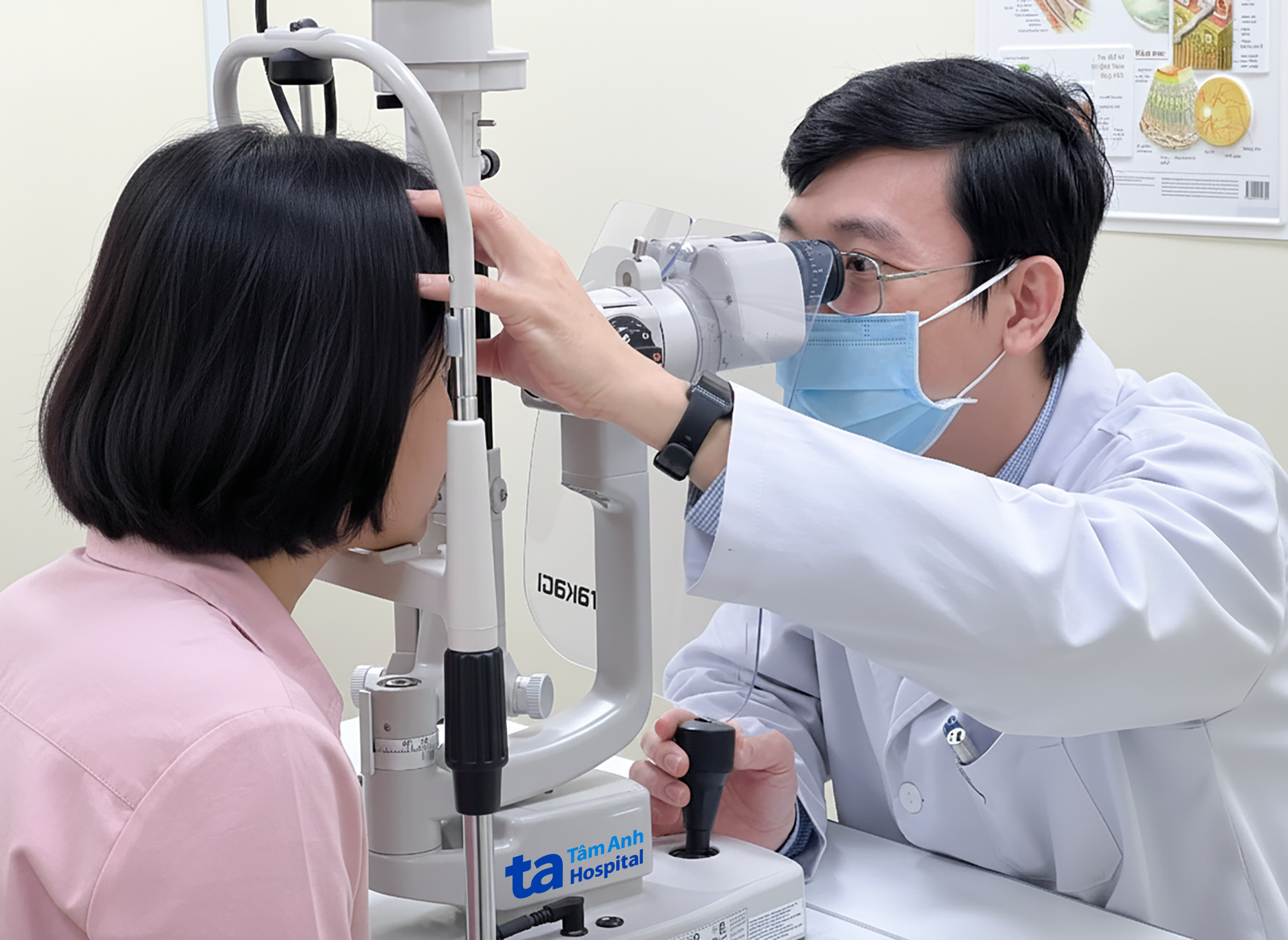 |
Doctor Tung examines Ms. Thuy's eyes to assess corneal condition before vision correction. *Photo: Tam Anh General Hospital* |
Ms. Thuy's myopia had been stable for many years, her fundus was normal, and no progressive pathologies were recorded, making her eligible for vision correction using the SMILE Pro method. "This is the optimal vision correction method for individuals with thin corneas," Doctor Tung said.
Following the procedure, her vision recovered well, achieving 10/10 in both eyes, with no complications recorded.
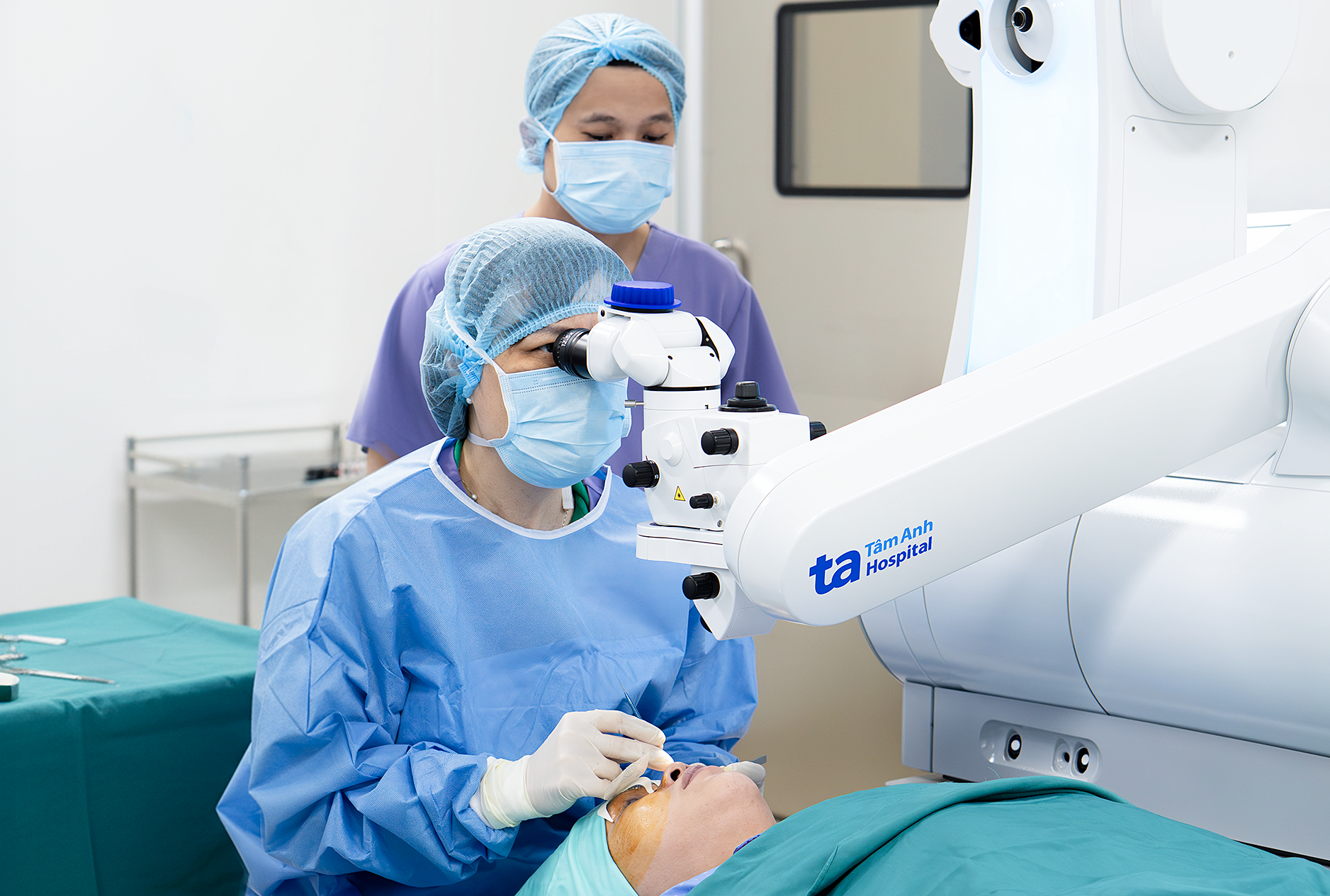 |
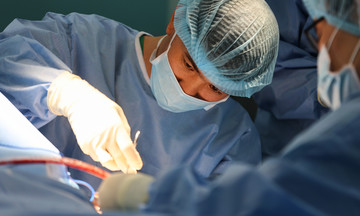
Doctors perform vision correction surgery using SMILE Pro technology on Ms. Thuy. *Photo: Tam Anh General Hospital* |
According to Doctor Tung, SMILE Pro is a new generation laser vision correction surgery that is less invasive and does not create a corneal flap. This method reduces the amount of corneal tissue needing intervention compared to many traditional procedures. It minimizes impact on the corneal surface and better preserves its structure. However, individuals with thin corneas require very thorough screening before vision correction and close monitoring after surgery. Some cases unsuitable for vision correction include: corneas thinner than 480 µm, signs of deformation (suspected keratoconus), unstable prescription, corneal disease, or pregnancy/breastfeeding.
Doctor Tung emphasized that comprehensive pre-operative screening is mandatory to assess corneal thickness, structure, and the projected remaining tissue after surgery. Based on this, doctors select the appropriate method for each case, prioritizing less invasive techniques to maximize corneal tissue preservation.
After vision correction, regular follow-up appointments are necessary. Patients should avoid rubbing their eyes, protect them from sunlight and dust, and limit strenuous work during the initial days.
Nhat Minh
*Character's name has been changed
| Readers can submit questions about ophthalmological conditions here for doctors to answer |