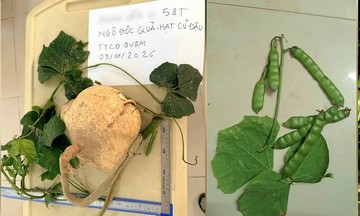
Tai experienced severe epigastric pain, nausea, and vomiting. His condition worsened after treatment at a local hospital, leading to his transfer to Tam Anh General Hospital TP HCM. Dr. Ngo Nhu Ngoc, from the Intensive Care and Anti-poisoning Department (ICU), stated that Tai arrived at the hospital with difficulty breathing, a rapid pulse, a distended abdomen, and widespread pain. Tests revealed elevated inflammatory markers. Doctors diagnosed him with severe acute pancreatitis, and a CT scan showed a swollen and necrotic pancreas, with abdominal fluid and bilateral pleural effusion.
Tai received intensive care, including complete fasting to reduce pancreatic stimulation, fluid resuscitation, pain management, respiratory support, and continuous dialysis. Doctors monitored his blood pressure, breathing rate, urine output, and intra-abdominal pressure hourly to promptly adjust his treatment regimen.
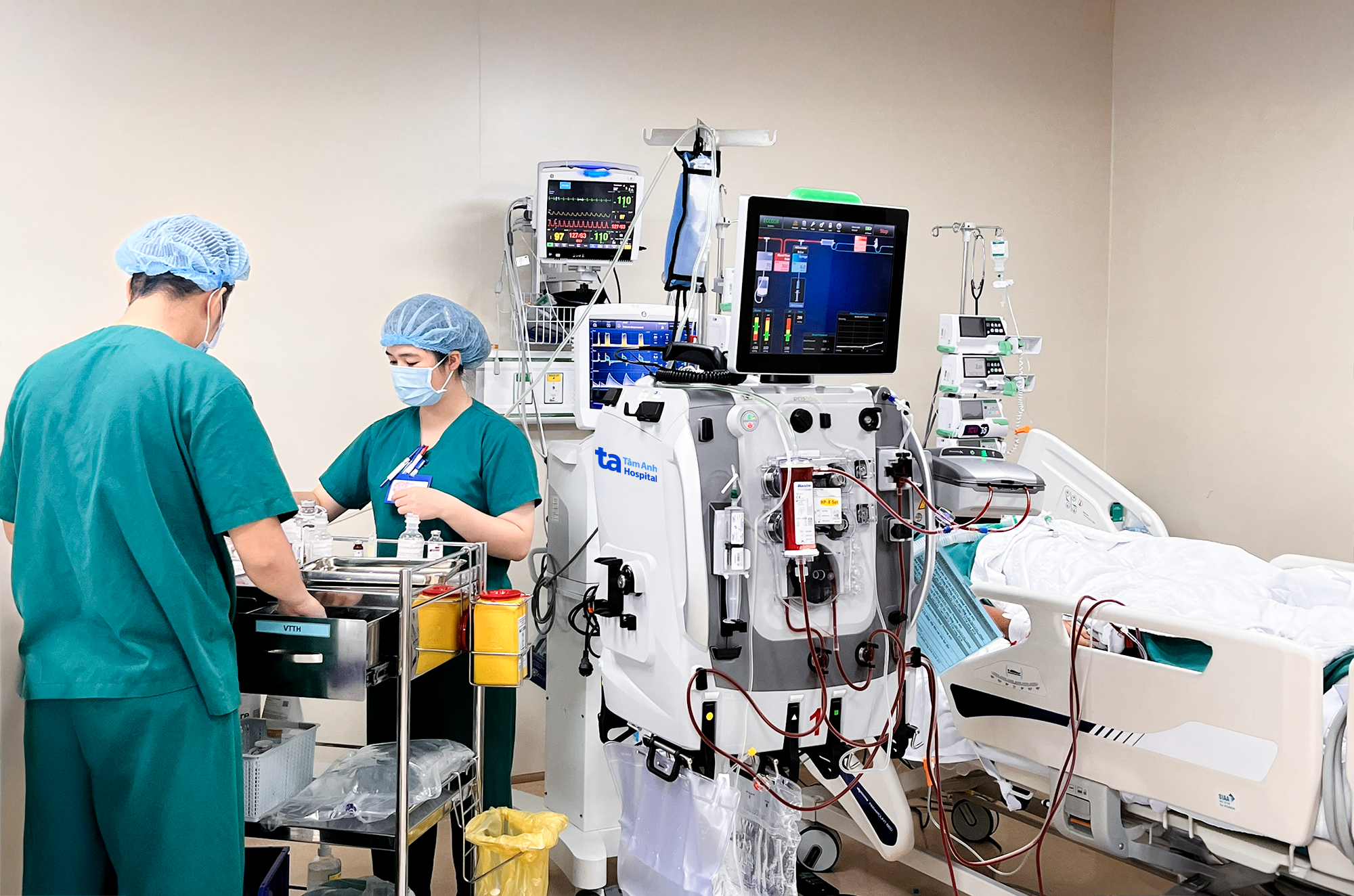 |
The patient underwent continuous dialysis in the Intensive Care and Anti-poisoning Department (ICU). *Photo: Tam Anh General Hospital*
During treatment, the amount of fluid in Tai's abdomen increased, necessitating drainage to reduce pressure and prevent complications. After many days, his vital signs gradually stabilized, respiration improved, and kidney function slowly recovered.
Dr. Ngoc explained that alcohol is a primary cause of acute pancreatitis. Prolonged pancreatic stimulation can prematurely activate digestive enzymes within the pancreas, leading to self-digestion of pancreatic tissue, widespread damage, and severe complications such as multi-organ failure.
Individuals experiencing severe abdominal pain (especially in the epigastric region), excessive vomiting, abdominal distension, or difficulty breathing after consuming alcohol should seek immediate medical attention for prompt evaluation and treatment.
Nhat Thanh
*The patient's name has been changed.
| Readers can send questions about digestive diseases here for doctors to answer. |