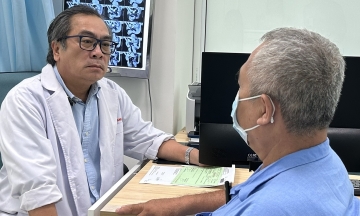
On 3/3, Doctor Pham Thanh Tung from the Institute of Mental Health, Bach Mai Hospital, stated that the patient was inherently reserved, a perfectionist, and prone to overthinking. From 4/2025, following work pressure, he began experiencing shortness of breath upon inhaling and chest tightness. Despite examinations of his ears, nose, and throat, and a chest X-ray, which diagnosed mild rhinosinusitis and showed improvement with treatment, he remained uneasy.
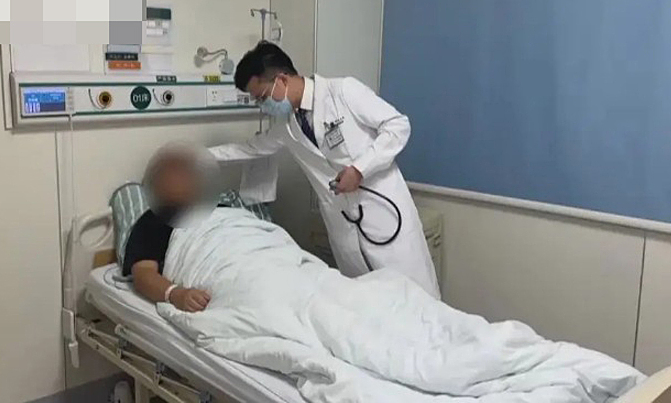
For the next five months, the patient repeatedly visited central-level hospitals. He requested doctors perform a series of complex procedures such as endoscopy, respiratory function tests, and chest CT scans. Holding results indicating a completely healthy body, the man dismissed them, insisting he harbored an undisclosed malignant disease. Extreme fear intensified his shortness of breath, causing his limbs to cramp, his body to stiffen, his spirits to decline, and his work to suffer. Only after being transferred to the Institute of Mental Health for 40 days of inpatient treatment, diagnosed with illness anxiety disorder, did the patient's condition stabilize, allowing for discharge.
Doctor Vu Thi Lan of the Institute of Mental Health stated the young man suffered from illness anxiety disorder (IAD). This psychiatric syndrome causes patients to constantly fear developing serious conditions like cancer, heart disease, or HIV, despite all medical evidence. The disorder typically begins in the 20-30 age group and has shown a significant increase over the past three decades.
Individuals with IAD frequently scrutinize their bodies, constantly monitoring blood pressure and heart rate, or searching symptoms online and self-diagnosing. Doctor Lan pointed to root causes stemming from imbalances in brain chemicals like serotonin or norepinephrine. Additionally, perfectionist tendencies, psychological trauma from a severely ill family member, or the habit of consuming unverified medical information online can easily fuel these delusions.
Experts emphasize that while the body may not have physical damage, the patient's suffering is entirely real. Anxiety activates the autonomic nervous system, leading to rapid heart rate and stomach pain, creating a vicious cycle. Doctors recommend that if someone exhibits excessive health anxiety for over six months despite receiving normal examination results, families should proactively take them to a psychiatric specialist instead of allowing them to continue self-diagnosing via social media.
Le Nga