As of the afternoon of 20/4, the Nghe An Department of Health announced an increase in suspected food poisoning cases linked to bread, with the number rising to 59 from over 20 reported on the afternoon of 18/4. Of these patients, four have been discharged, three are receiving treatment at a commune health station, and two have been transferred to higher-level facilities. Approximately 50 patients remain hospitalized at Dien Chau General Hospital, where their health is largely stable.
Doctors observed that patients primarily presented with abdominal pain, vomiting, and diarrhea; some also experienced fever. Many individuals experienced a delayed onset of diarrheal symptoms, seeking hospitalization only after their condition did not improve by yesterday evening or this morning.
Initial investigations indicate that all patients consumed bread purchased from two outlets of the Quynh shop located in Dien Chau commune. The bread was produced at a central facility before being distributed to these two points for sale. However, test results to determine the exact cause of the poisoning are not yet available.
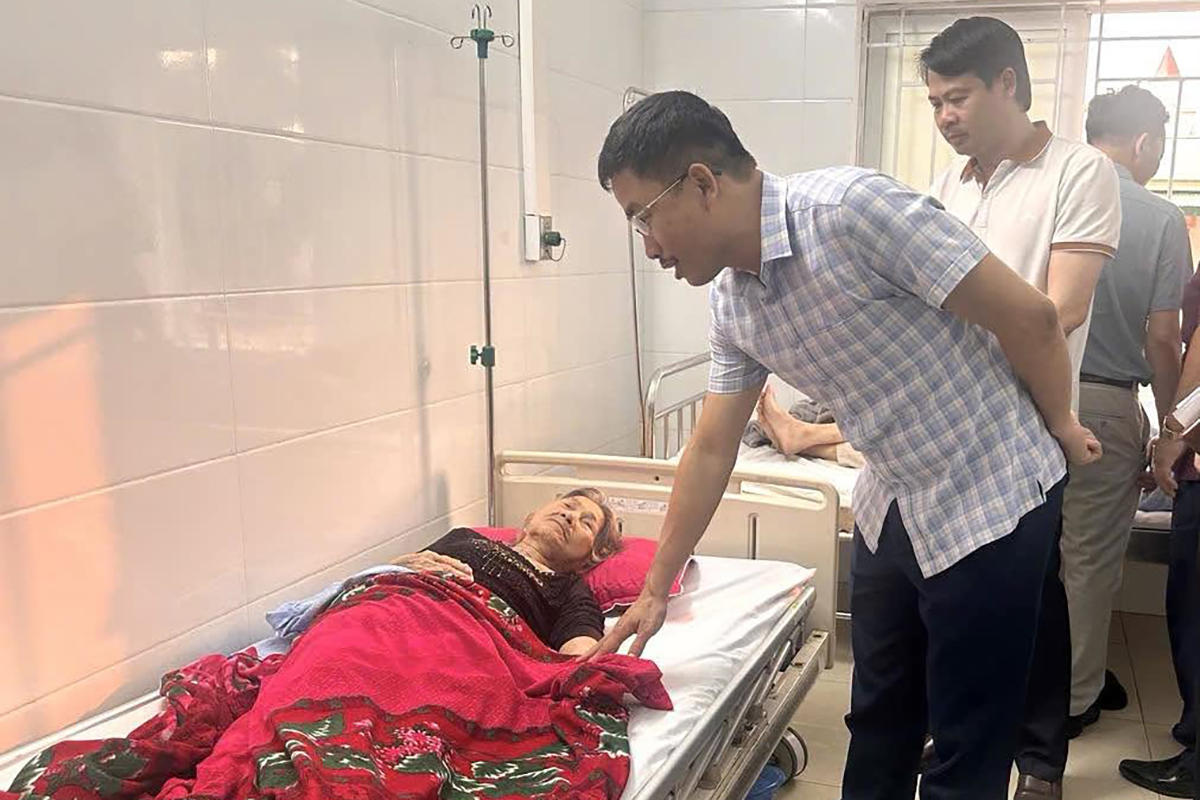 |
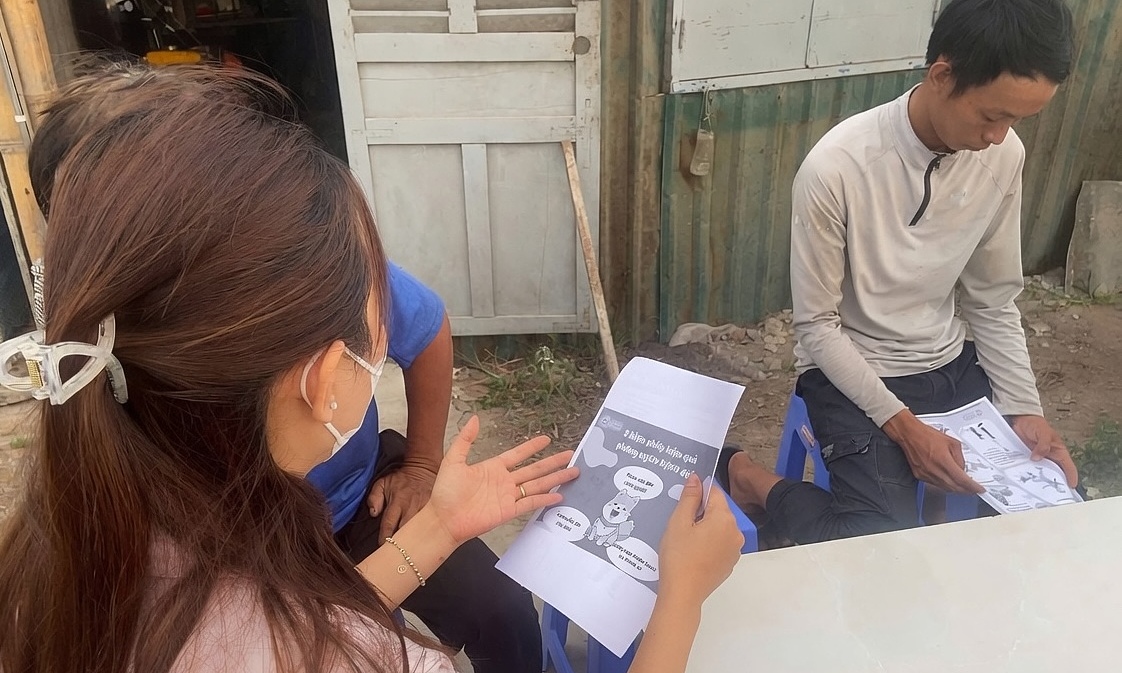
The Nghe An Department of Health leader visits a patient receiving treatment at Dien Chau General Hospital. Photo: Hung Le |
In response to the incident, the Food Safety Authority (under the Ministry of Health) has directed the Nghe An Department of Health to prioritize patient treatment. Authorities are actively investigating, tracing the origin of the suspected food, collecting samples for testing, and enhancing food safety controls. The Nghe An Department of Health has also initiated an epidemiological investigation and issued a public notice, urging individuals who consumed bread from the implicated establishments to monitor their health. Those experiencing symptoms such as abdominal pain, nausea, diarrhea, or fever should seek immediate medical attention at the nearest healthcare facility. The bread establishment has been suspended to facilitate the ongoing investigation. Local authorities are intensifying food safety inspections, particularly for street food vendors, and will strictly penalize any violations.
Recently, several southern provinces have reported hundreds of hospitalizations following bread consumption. On 3/3 and 4/3, 79 patients in Vung Tau ward experienced poisoning after eating street bread on Do Chieu street. Days prior, 22 individuals in TP HCM and over 70 at the Hong Ngoc 12 establishment in Dong Thap also presented with similar symptoms.
A common characteristic of these bread-related poisoning incidents is the rapid and widespread increase in patient numbers. The cause is often identified as food contaminated with bacteria such as Salmonella or E.coli, which are known to cause gastrointestinal poisoning.