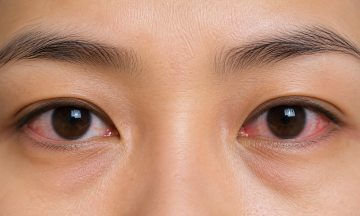
Dr. Doan Thi Phuong Nhi, a first-degree specialist at the High-tech Eye Center, Tam Anh General Clinic, District 7, reported a significant vision disparity in Mr. Minh, 65. His right eye had 3/10 vision, while his left eye maintained 10/10 vision. A thick pterygium, also known as surfer's eye, extensively invaded his right eye. Examinations confirmed the pterygium had advanced deeply into the central cornea, obstructing the visual axis, consistent with grade 4 pterygium, the most severe stage.
Pterygium is an abnormal growth of conjunctival cells, the thin mucous membrane covering the white of the eye. It forms a wing-shaped or triangular layer of tissue that encroaches upon the iris and pupil. Pterygium is categorized into four stages, with the degree of invasion and impact on vision varying depending on the stage.
According to Dr. Nhi, pterygium not only affects aesthetics but can also severely impair vision. If left untreated, the pterygium tissue continues to invade the cornea, leading to corneal scarring and a risk of permanent vision loss. Uncontrolled, prolonged inflammation can also result in corneal ulcers and even blindness.
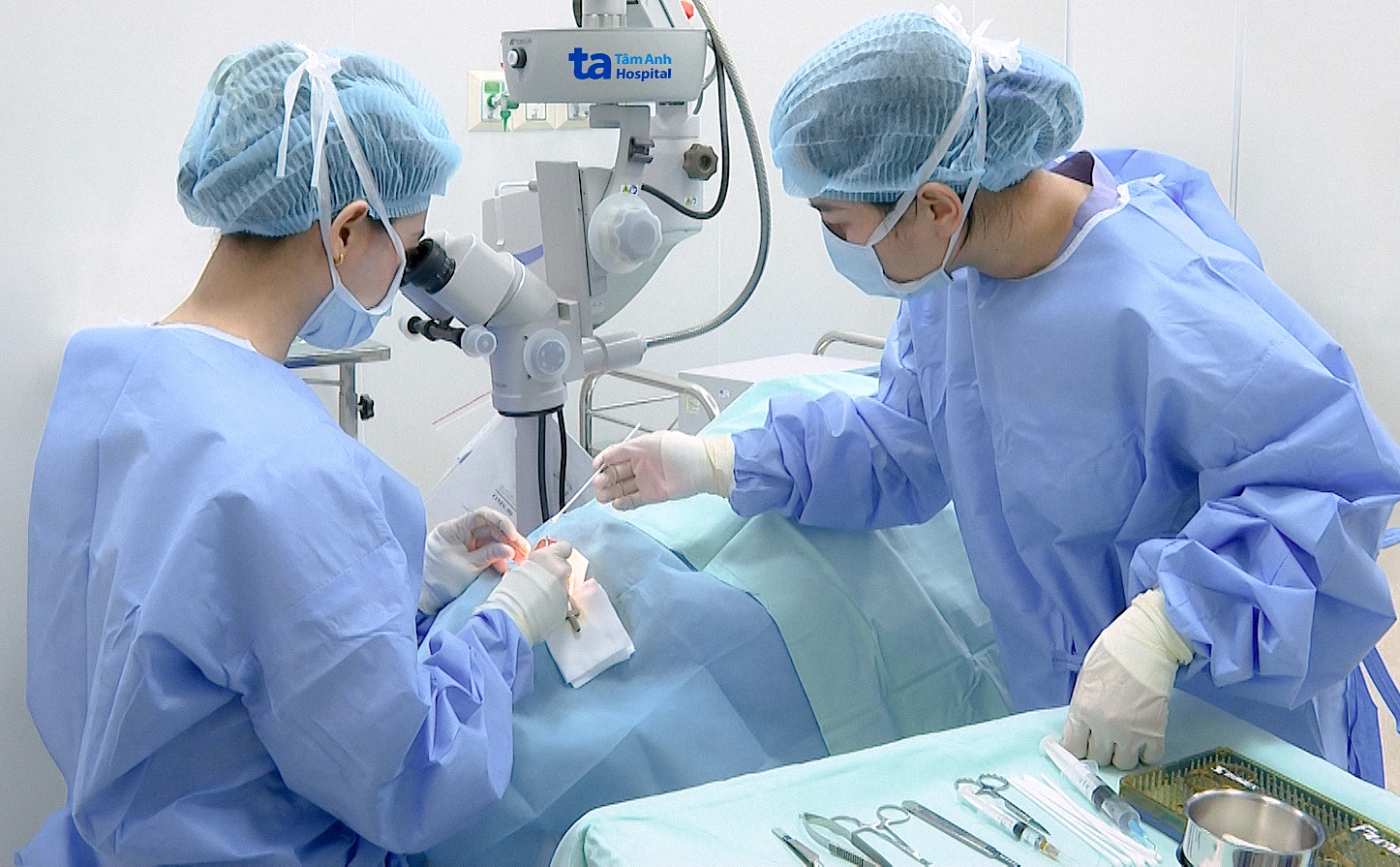 |
Dr. Nhi (far left) performs pterygium removal surgery on Mr. Minh. Photo: Tam Anh General Hospital |
Doctors surgically removed the pterygium from Mr. Minh and performed an autologous conjunctival graft, taking tissue from the upper part of his eye to cover the exposed sclera (white of the eye). This procedure helps the eyeball recover and reduces the risk of recurrence. Post-surgery, the patient received anti-inflammatory medication, antibiotics, and artificial tears to aid healing.
Two weeks after his follow-up appointment, Mr. Minh’s surgical site had recovered well. His right eye no longer showed redness, irritation, or glare, and his vision improved to 8/10. However, due to prior damage to the central cornea, full vision recovery is challenging. Doctors advised Mr. Minh to maintain eye hygiene and wear protective glasses outdoors to reduce the risk of conjunctivitis and pterygium recurrence.
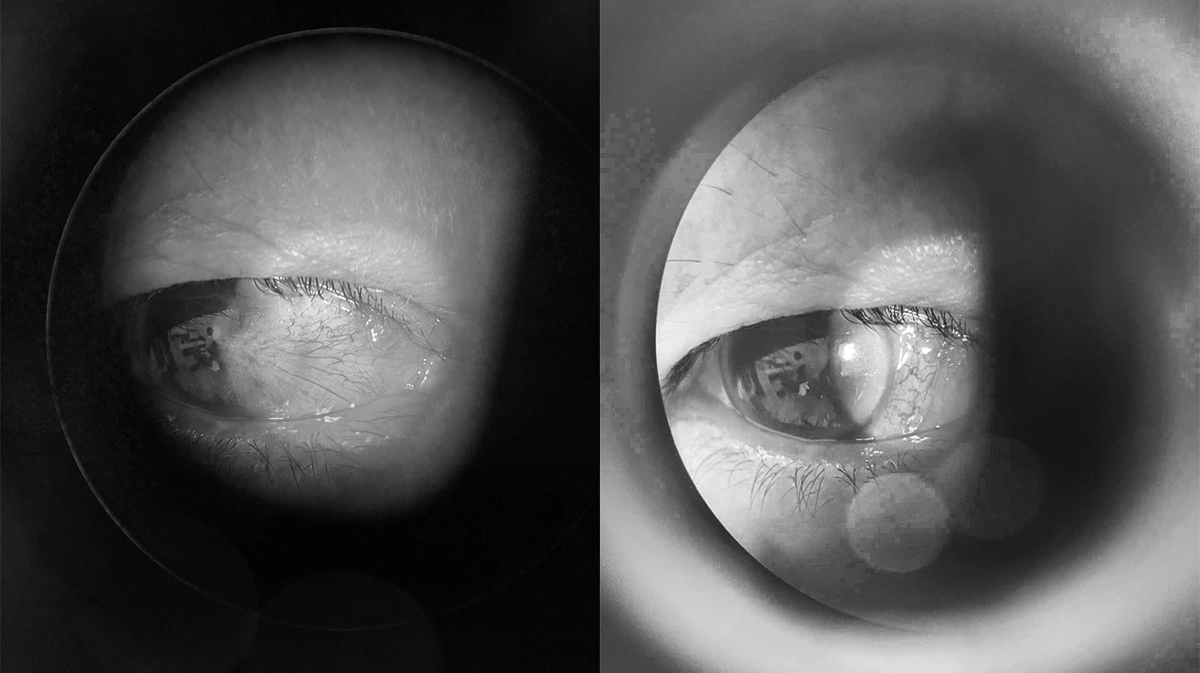 |
Mr. Minh’s pterygium before (left) and two weeks after surgery (right). Photo: Hospital provided |
Pterygium can be linked to UV radiation, genetics, prolonged dry eyes, or frequent exposure to dust. The condition often begins as a reddish-pink patch on the white of the eye, subsequently causing redness, itching, irritation, and potential vision reduction if left untreated.
To prevent pterygium, Dr. Nhi recommends protecting eyes from harsh sunlight and dust by wearing UV-blocking glasses and wide-brimmed hats. If any abnormal eye signs appear, an early eye examination is crucial for timely treatment and to rule out dangerous conditions.
Ngoc Kim Tham
*Patient's name has been changed
| Readers can submit ophthalmology questions here for doctors to answer |