The patient had no history of high blood pressure or diabetes, but was a heavy smoker. On 12/3, he experienced severe chest pain, shortness of breath, and quickly developed arrhythmia. At a nearby hospital, he suffered cardiac and respiratory arrest. Timely defibrillation and intubation helped restore his heart rhythm before he was transferred to Thu Duc General Hospital in a coma.
Doctor Le Duy Lac, Head of the Cardiovascular Intensive Care Unit at Thu Duc General Hospital, stated that the intervention team performed a coronary angiogram, discovering a complete blockage in a major artery supplying the heart. They raced against time to insert a stent and restore blood flow within just 30 minutes. The patient made a remarkable recovery, was conscious and had the breathing tube removed after 24 hours, and was discharged after 7 days.
A day earlier, medical professionals also saved the life of a 61-year-old male patient, who had smoked a pack of cigarettes daily for 40 years. He was in life-threatening condition and required defibrillation at the initial medical facility to maintain his heart rhythm after a severe chest pain episode. Overcoming moments of hypotension and vomiting during the procedure, the patient's condition gradually stabilized, and he was discharged after one week of treatment.
According to Doctor Lac, smoking is one of the four main cardiovascular risk factors, alongside high blood pressure, diabetes, and dyslipidemia. Smokers face a 2-4 times higher risk of myocardial infarction compared to non-smokers.
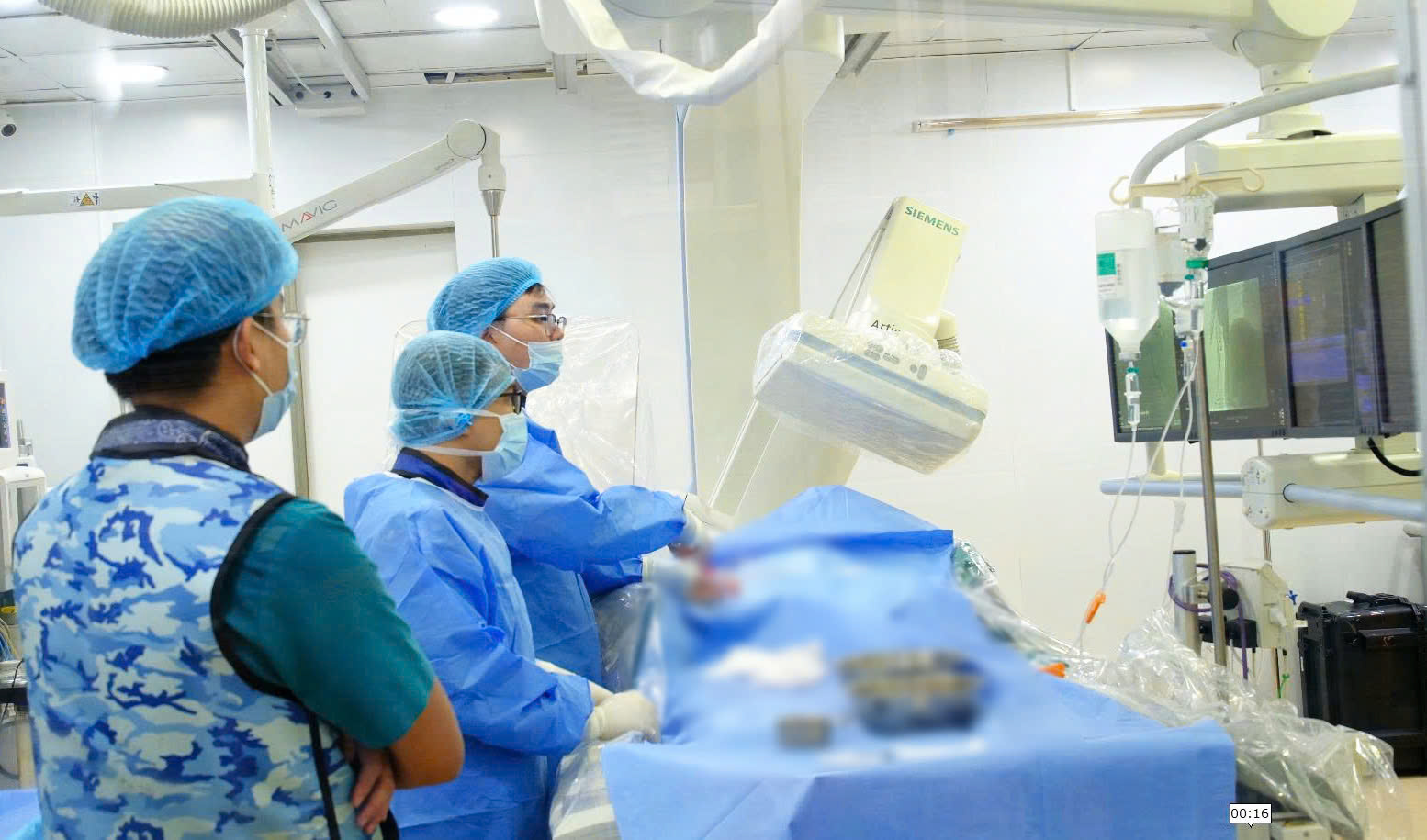 |
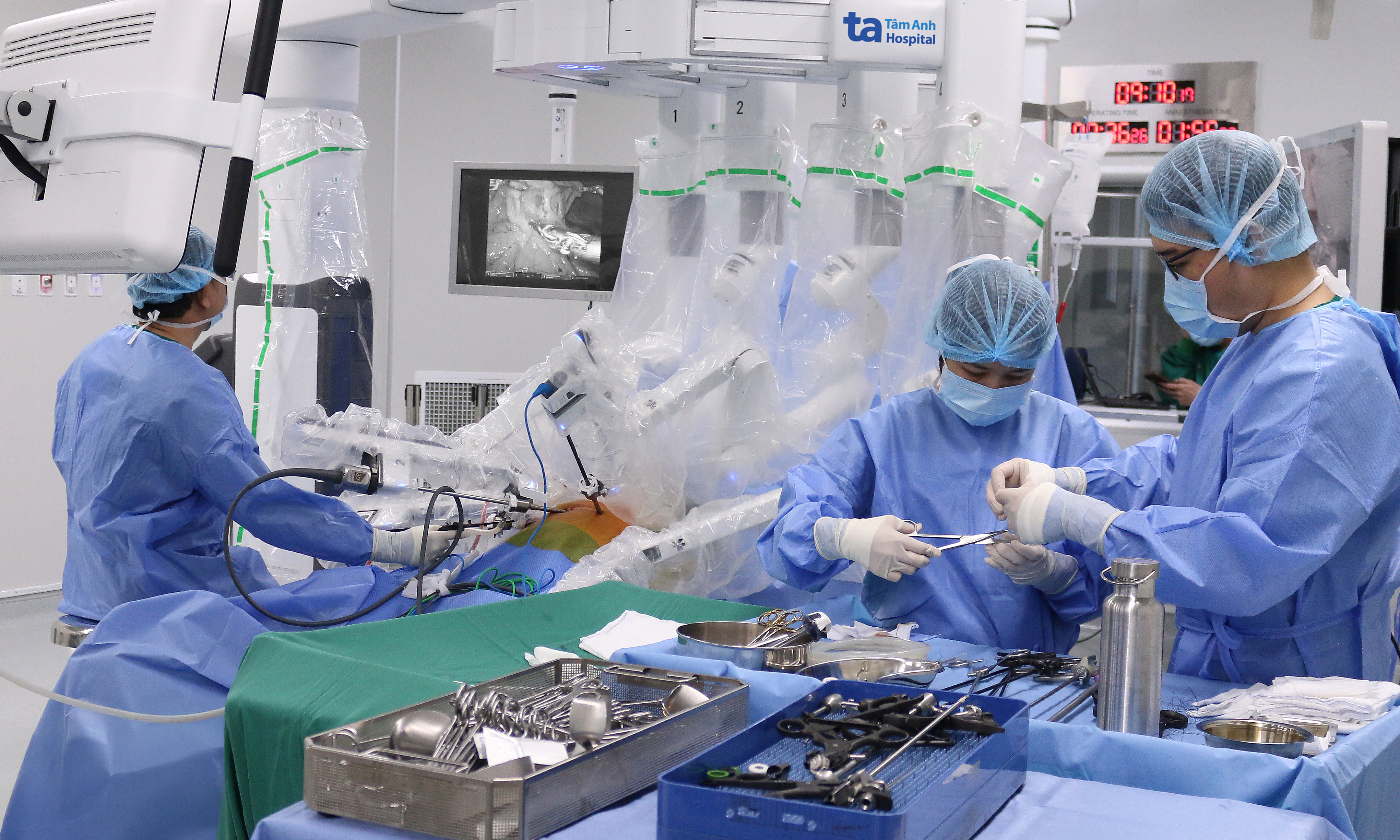
Doctors at Thu Duc General Hospital perform a cardiac intervention on a patient. Photo: Hospital provided
Acute myocardial infarction is a leading cause of hospitalization and death globally and in Vietnam. When an acute myocardial infarction occurs, every passing minute leads to the necrosis of heart muscle, potentially causing highly fatal complications such as cardiogenic shock, ventricular fibrillation, or cardiac arrest. Patients with acute myocardial infarction often face a high risk of death in the initial hours before reaching the hospital due to arrhythmia-related complications.
Chest pain is the most common symptom indicating a myocardial infarction. These chest pains typically last for over 30 minutes. Common accompanying symptoms include shortness of breath and profuse sweating. Some patients do not experience chest pain but present with non-specific symptoms such as fatigue, palpitations, shortness of breath, epigastric pain, nausea, vomiting, or altered consciousness.
Doctors advise that quitting smoking is a crucial measure to reduce the long-term risk of myocardial infarction and other cardiovascular events. People should proactively undergo regular cardiovascular screenings, especially those with high-risk factors like long-term smoking.
Upon experiencing chest pain, shortness of breath, or profuse sweating, patients must not hesitate or self-medicate. Instead, they should immediately go to the nearest medical facility for timely intervention during the critical "golden hours". After a myocardial infarction, patients should adhere to prescribed medication and quit smoking to reduce the risk of recurrence, limit cardiovascular events, and improve long-term prognosis.
Le Phuong