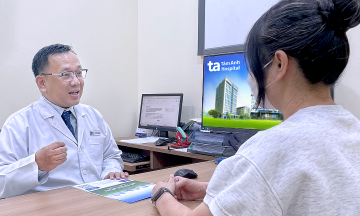
Six months prior, Mrs. Dao suffered a cerebral infarction, recovering without paralysis. About a week ago, she felt severe fatigue, shortness of breath, and chest tightness. Believing these were post-stroke effects, she rested and took her old medication, but her symptoms did not improve. An echocardiogram revealed pericardial effusion, preserved left ventricular ejection fraction (EF 55%), left ventricular hypertrophy, moderate mitral regurgitation, and bilateral pleural effusion. Doctor Hoang Thi Binh, a specialist in cardiology at the Cardiovascular Center, Tam Anh General Hospital Ho Chi Minh City, conducted a thorough examination and discovered she had severe hypothyroidism due to autoimmune thyroiditis.
Hypothyroidism occurs when the thyroid gland is underactive, failing to produce sufficient hormones for the body. Hypothyroidism symptoms are often non-specific and easily mistaken for other internal medical conditions, especially in older adults. Hypothyroidism causes pericardial effusion by increasing the permeability of epicardial blood vessels and reducing lymphatic drainage, leading to gradual fluid accumulation in the pericardial cavity. Pleural effusion may also occur. Fluid accumulation typically progresses slowly, rarely causing acute cardiac tamponade.
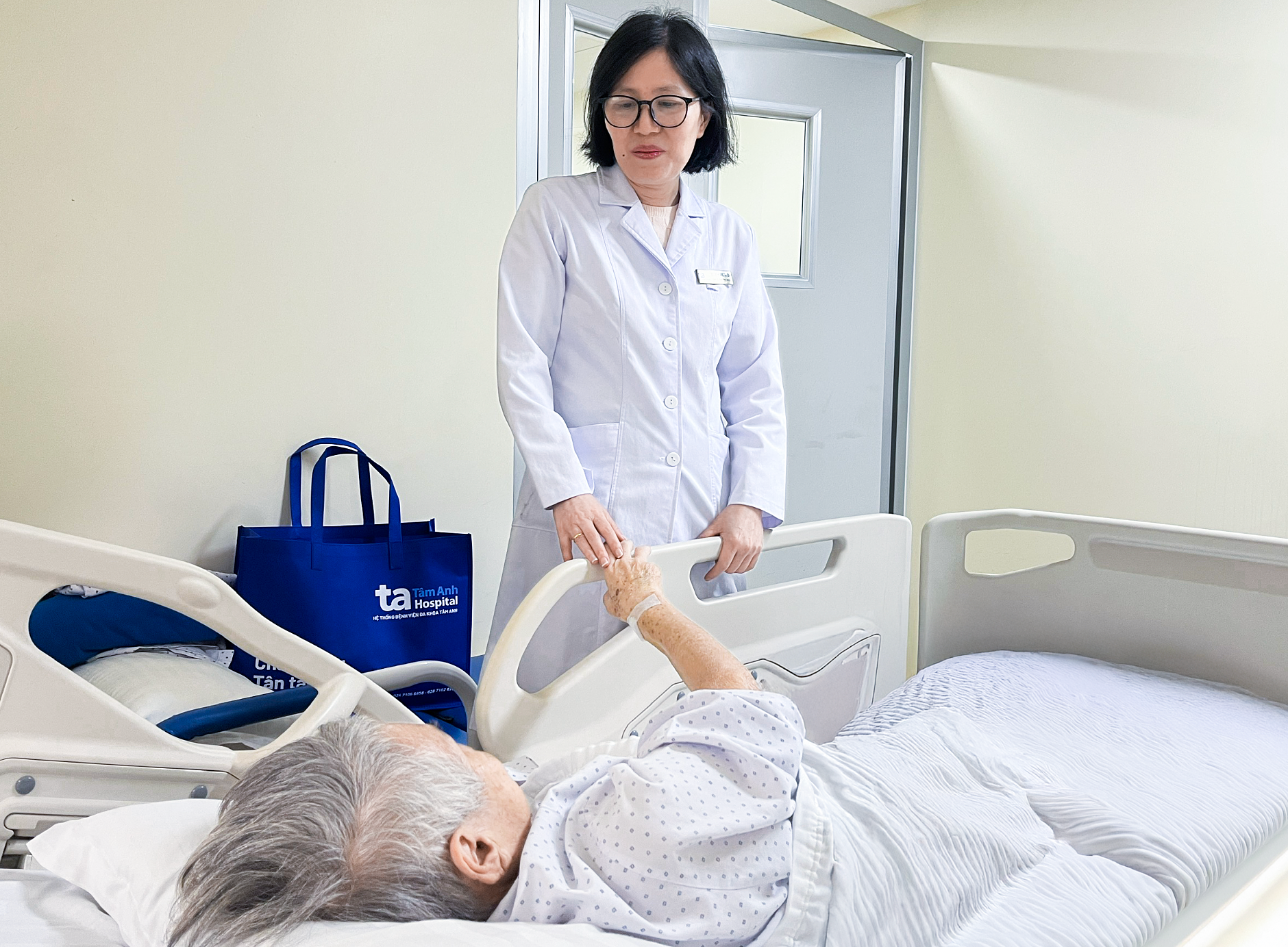 |
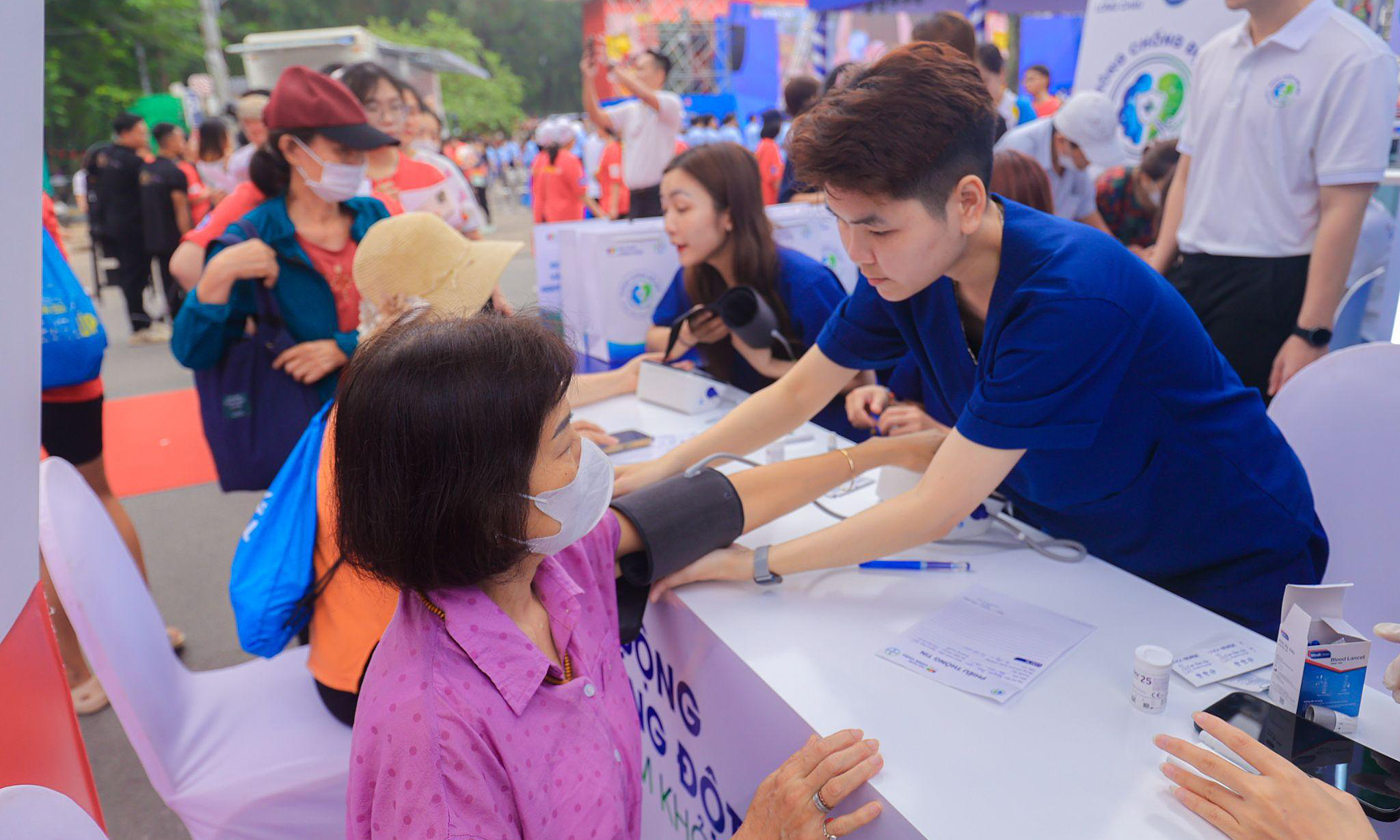
Doctor Binh checks on the patient's health after one week of treatment. *Photo: Tam Anh General Hospital*
For Mrs. Dao, the amount of pericardial and pleural fluid was moderate, so no drainage intervention was needed. The patient received thyroid hormone supplementation as prescribed, leading to significant improvement in her shortness of breath and chest tightness, and a notable reduction in pericardial and pleural fluid.
Master of Science, Doctor Huynh Thanh Kieu, Head of Cardiology Department 1, Cardiovascular Center, stated that there is currently no absolute prevention for hypothyroidism. However, early detection allows for effective hormone replacement therapy. Individuals with risk factors such as a history of autoimmune disease, previous head and neck radiation therapy, thyroid surgery, radioactive iodine treatment, goiter, or those using medications affecting thyroid function should undergo regular check-ups.
Symptoms of hypothyroidism include persistent fatigue, cold intolerance, constipation, dry skin, weight gain, facial swelling, hoarseness, memory impairment, and muscle weakness, especially in older adults. When cardiovascular symptoms such as slow heart rate, weak pulse, low blood pressure, edema, shortness of breath, or loss of appetite appear, the condition may have become complicated. Patients with hypothyroidism must adhere to long-term treatment, regular follow-up appointments, and maintain a healthy lifestyle.
Thu Ha
*Patient's name has been changed
| Readers can submit cardiovascular questions here for doctors to answer. |