Eng English
China 中国人

Eng English
China 中国人
  • News
  • World
  • Business
  • Entertainment
  • Sports
  • Law
  • Education
  • Health
  • Lifestyle
  • Travel
  • Science
  • Digital
  • Automobiles
  • Trở lại Thể thao
  • Health
Sunday, 2/8/2026 | 11:01 GMT+7

Why women are prone to iron deficiency?

Women are prone to iron deficiency due to blood loss during menstruation, pregnancy, and breastfeeding, as well as dietary factors or poor absorption.

Iron is an essential mineral involved in the formation of hemoglobin, a component of red blood cells responsible for transporting oxygen throughout the body. When iron is deficient, the number of healthy red blood cells decreases, leading to insufficient oxygen supply for organs to function normally. Women are at a higher risk of iron deficiency than men due to distinct physiological characteristics.

**Blood Loss Due to Menstruation**

According to Times of India, one of the most significant reasons women are prone to iron deficiency is blood loss during their menstrual cycle. For those with prolonged menstruation or gynecological conditions such as uterine fibroids or endometriosis, the amount of iron lost can be greater than usual.

**Pregnancy and Breastfeeding**

During pregnancy, iron requirements increase significantly to support fetal development and the mother's increased blood volume. Without adequate supplementation, the body must use its iron reserves, raising the risk of iron deficiency and anemia.

After childbirth, especially in women who experience significant blood loss during delivery, the body's iron levels decline. The breastfeeding phase also demands more nutrients to maintain maternal health and support infant development. Therefore, pregnant and postpartum women are often advised to take iron supplements as directed by a doctor.

**Diet Not Meeting Requirements**

Many women tend to eat less red meat due to concerns about weight gain or cholesterol, despite it being a rich source of heme iron, the most easily absorbed form of iron. Additionally, an unbalanced diet, frequently skipping meals, prolonged dieting, or prioritizing processed foods can easily lead to insufficient iron intake.

For vegetarians, iron primarily comes from plant-based sources such as legumes, dark leafy greens, nuts, and whole grains. However, this is non-heme iron, which has a lower absorption rate. Without a well-planned menu, the risk of iron deficiency is high.
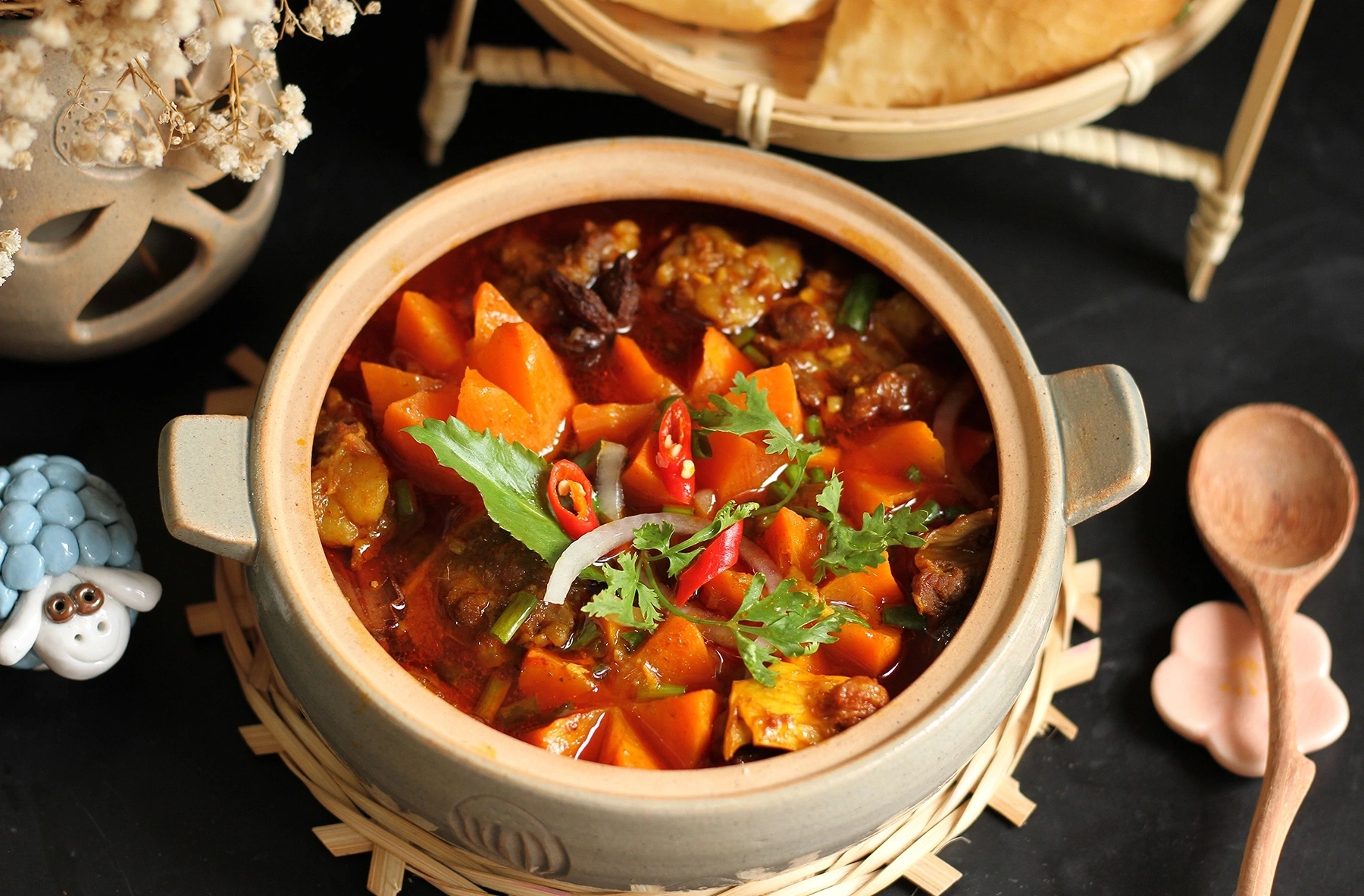
Beef provides abundant heme iron, which the body can easily absorb and use for blood production. Photo: Bui Thuy

**Medical Conditions**

Iron deficiency is not always due to a poor diet. Certain gastrointestinal conditions like stomach ulcers, celiac disease, inflammatory bowel disease, or prolonged gastrointestinal bleeding can lead to iron loss or poor iron absorption.

In women, prolonged menorrhagia, uterine polyps, or uterine fibroids are also causes that should be considered if iron deficiency recurs despite dietary improvements.

When the body's iron levels decrease, many individuals often experience fatigue, pale skin, pale mucous membranes, dizziness, headaches, or difficulty concentrating. Some cases also present with brittle nails, significant hair loss, shortness of breath during exertion, or a rapid heartbeat.

To prevent iron deficiency, women should maintain a diverse diet with iron sources such as beef, lean meat, liver, seafood, eggs, and leafy green vegetables. Additionally, it is advisable to combine vitamin C-rich foods with meals and limit consuming tea or coffee immediately after eating.

For pregnant, postpartum women, or those with heavy menstrual bleeding, iron supplementation should follow a doctor's guidance. Self-medicating with iron pills for extended periods is not recommended, as excessive supplementation can lead to unwanted side effects.

Le Nguyen (Compiled)

Readers can send questions about obstetrics and gynecology here for doctors to answer
By VnExpress: https://vnexpress.net/vi-sao-phu-nu-de-thieu-sat-5104025.html
Tags: obstetrics and gynecology iron deficiency

News in the same category

Ministry of Health proposes health insurance coverage for home medical examinations for seven groups

Ministry of Health proposes health insurance coverage for home medical examinations for seven groups

The Ministry of Health suggests that the elderly, individuals with severe disabilities, those with chronic illnesses, and several other specific groups will have their home medical examination and treatment costs covered by the health insurance fund, eliminating the need to visit medical facilities.

Is a soft-spoken son gay?

Is a soft-spoken son gay?

My 13-year-old son speaks gently, often uses a particular, soft style of address with friends, and has interests different from many boys his age. How can I tell if he is gay or straight? asks Phuong Mai from Ho Chi Minh City.

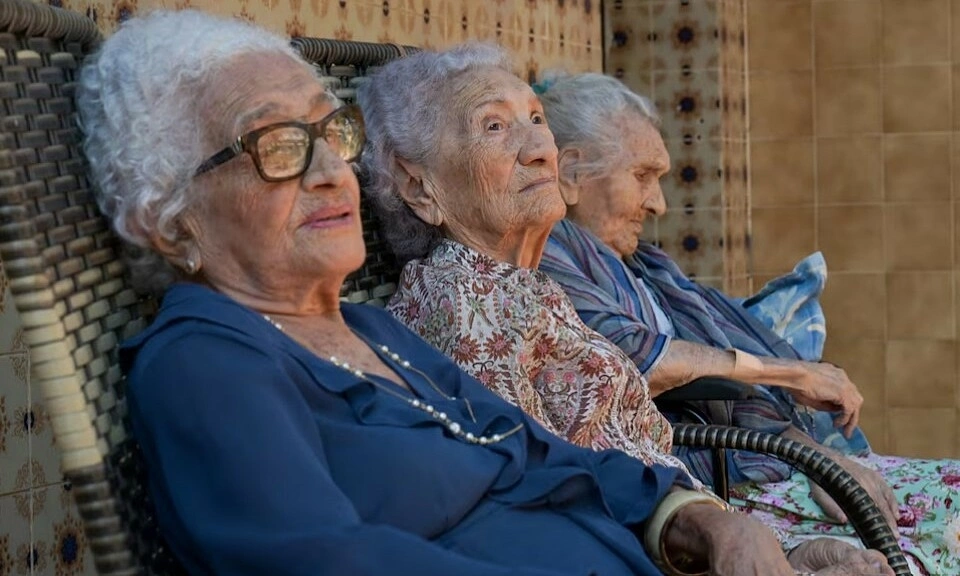
Three sisters share secrets to living over a century

Three sisters share secrets to living over a century

Achieving a world record with a combined age of 316, three Brazilian sisters reveal their longevity secret: fresh food and breastfeeding.

What happens to digestion when stretching after eating?

What happens to digestion when stretching after eating?

Gentle stretching after meals can improve blood flow to digestive organs, reducing bloating and discomfort.

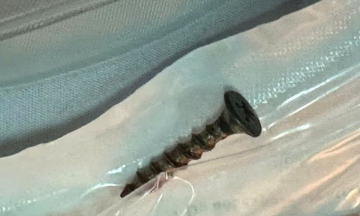
4 cm screw lodged in infant's airway

4 cm screw lodged in infant's airway

A three-month-old boy suffered respiratory failure due to a 4 cm screw lodged in his airway, which doctors successfully removed via endoscopy.

Saving money for family vaccinations

Saving money for family vaccinations

Fearing illness might disrupt their children's education and cause income loss, many factory workers and street vendors are dedicating a portion of their wages to vaccinations.

How diet can slow aging

How diet can slow aging

Eating plenty of green vegetables, fruits, whole grains, and omega-3 rich fish, while limiting added sugar, can slow the aging process.

Why hot weather reduces sleep quality

Why hot weather reduces sleep quality

High temperatures can disrupt the body's natural thermoregulation, making it difficult for many to fall asleep, leading to restless nights and frequent awakenings.

Who should undergo regular kidney function checks?

Who should undergo regular kidney function checks?

Individuals with diabetes, high blood pressure, a family history of kidney disease, or those on long-term medication should undergo regular kidney function checks, even without noticeable symptoms.

Breakfast tips to help balance cholesterol

Breakfast tips to help balance cholesterol

A breakfast rich in soluble fiber and protein, while limiting saturated fat, sugar, and processed foods, can help maintain healthy cholesterol levels.

Eng English
China 中国人
  • News
  • World
  • Business
  • Entertainment
  • Sports
  • Law
  • Education
  • Health
  • Lifestyle
  • Travel
  • Science
  • Digital
  • Automobiles
FPT Tower, 10 Pham Van Bach Street, Dich Vong Ward,
Cau Giay District, Hanoi, Vietnam
Email: contacts@vnportal.net
Tel: 028 7300 9999 - Ext 8556
Advertise with us: 090 293 9644
Register
© Copyright 2026 vnnow.net. All rights reserved.
Terms of use Privacy policy Cookies