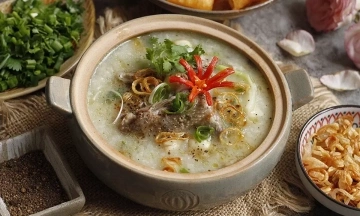
Digestion begins the moment food enters the mouth. As you chew, enzymes in saliva start breaking down food before it is swallowed through the esophagus into the stomach. There, food mixes with stomach acid and digestive enzymes for further decomposition.
Partially digested food then moves into the intestines, where water and nutrients are absorbed. Digestion speed depends on food amount and the fat, protein, and fiber content of the meal.
Stretching, a gentle exercise, can reduce stress, relax the body, and support digestion. When muscles stretch, the body activates a physiological response. This helps muscles and blood vessels dilate, increasing blood flow, which delivers more oxygen and nutrients to surrounding muscles and tissues.
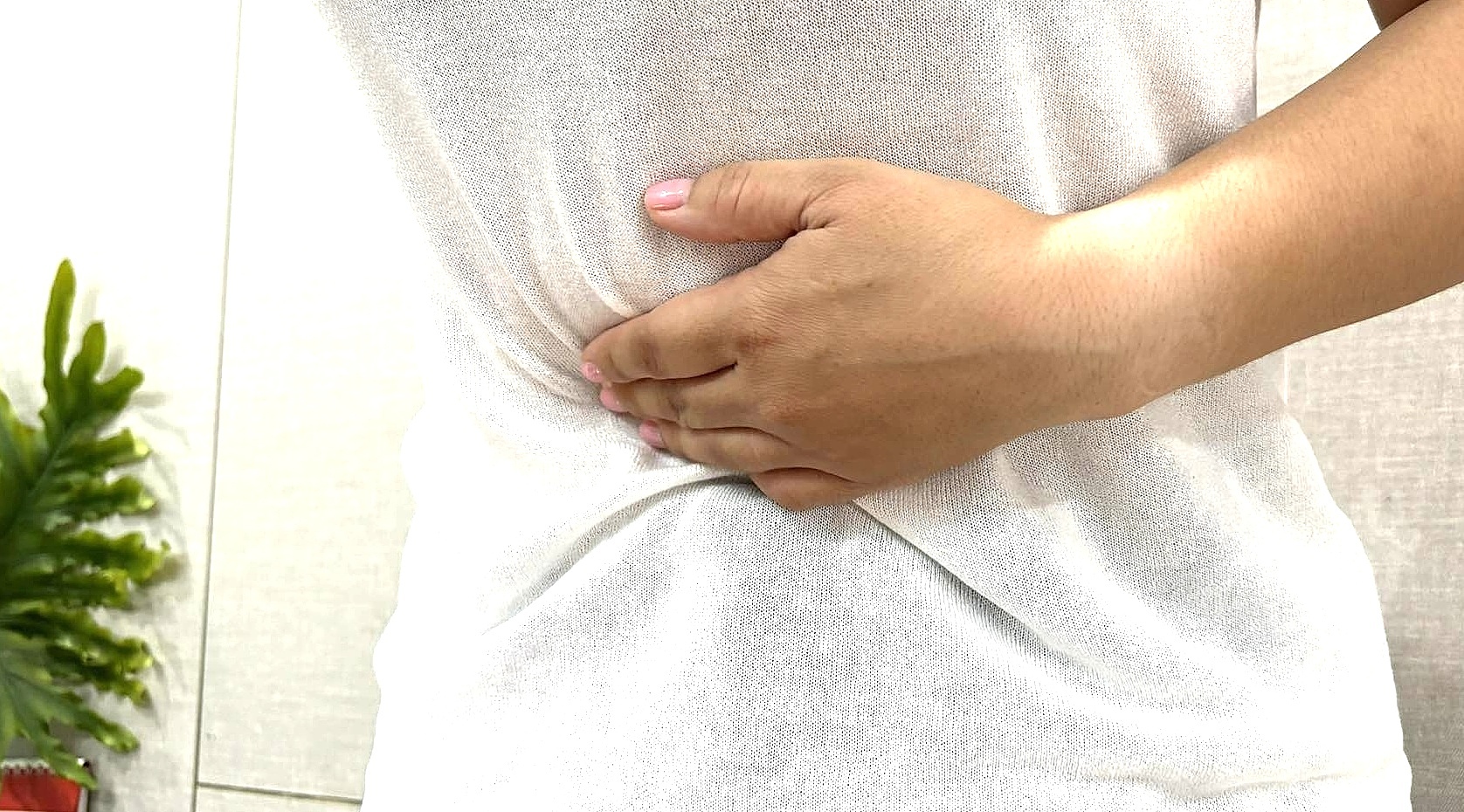 |
Gentle stretching after meals aids digestion. *Photo: Anh Chi*
According to Verywell Health, gentle stretching enhances blood circulation, including to the digestive system. This stimulates peristalsis – wave-like contractions moving food steadily through the digestive tract – reducing bloating, indigestion, and abdominal distension.
Mild post-meal stretching helps body cells better regulate insulin. Insulin supports nutrient absorption by facilitating glucose and amino acid transport into muscle cells. Improving insulin sensitivity is important for stable blood sugar and enhanced digestive health.
While gentle post-meal stretching offers many digestive benefits, avoid doing it immediately after eating. Stretching puts pressure on the abdominal area, stomach, and intestines, leading to abdominal pain and symptoms like heartburn, bloating, or nausea. WebMD recommends waiting one to two hours after eating before exercising.
Besides stretching, people can take light walks, cycle leisurely, or do housework to stimulate blood circulation. Avoid lying down or sitting immediately after eating to reduce reflux and weight gain.
*Anh Chi (Compiled)*
| Readers can ask questions about digestive diseases here for doctors to answer. |