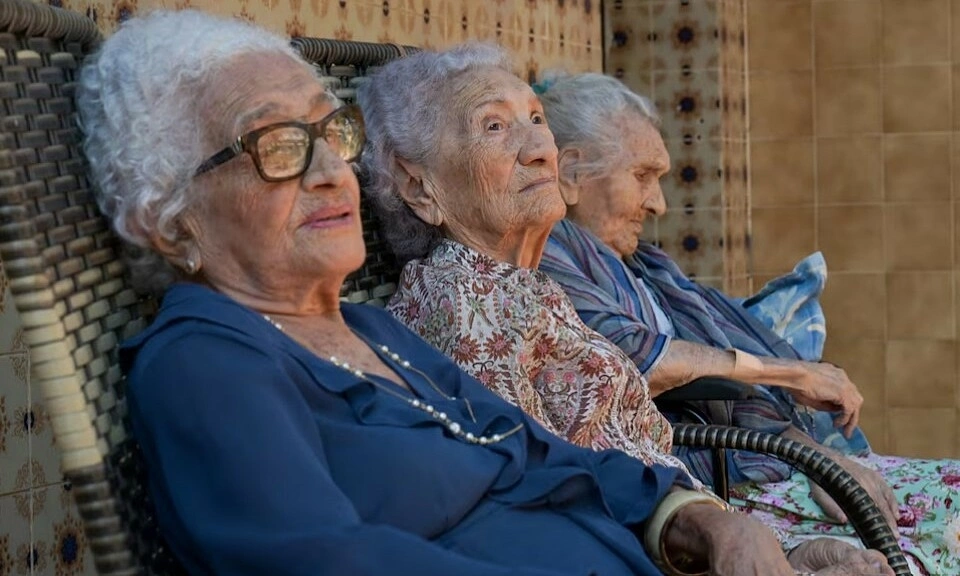
A 13-year-old boy's gentle manner of speaking with friends, soft behavior, or disinterest in typically "boyish" activities is not enough to conclude that he is gay. How a person speaks, their interests, demeanor, and sexual orientation are distinct.
Sexual orientation refers to a person's emotional or sexual attraction to others. In contrast, personal expression includes how one dresses, speaks, chooses sports, or artistic hobbies. A boy who enjoys cooking, plays less soccer, is close to girls, or speaks softly can still be heterosexual. Conversely, a person with a very masculine appearance can still be attracted to the same sex.
At 13, some children begin to recognize their attractions, while others may not have clear feelings or know how to label them. Parents should not rush to ask, "Are you gay?" or attempt to check their child's phone, friends, or behavior.
A child growing up primarily with their mother, maternal grandmother, and aunts is not a cause for the child to be gay. No scientific evidence suggests that a lack of a father figure or living in a female-dominated environment changes sexual orientation. The mother should not blame herself or feel the need to force her child into "masculine" activities to alter behavior.
It is more important to build a relationship where the child feels safe to share. The mother can ask about school, friends, and what brings them joy or pressure, rather than focusing on whether they like boys or girls. She can gently reassure her child: "No matter who you like later, I will always love and respect you."
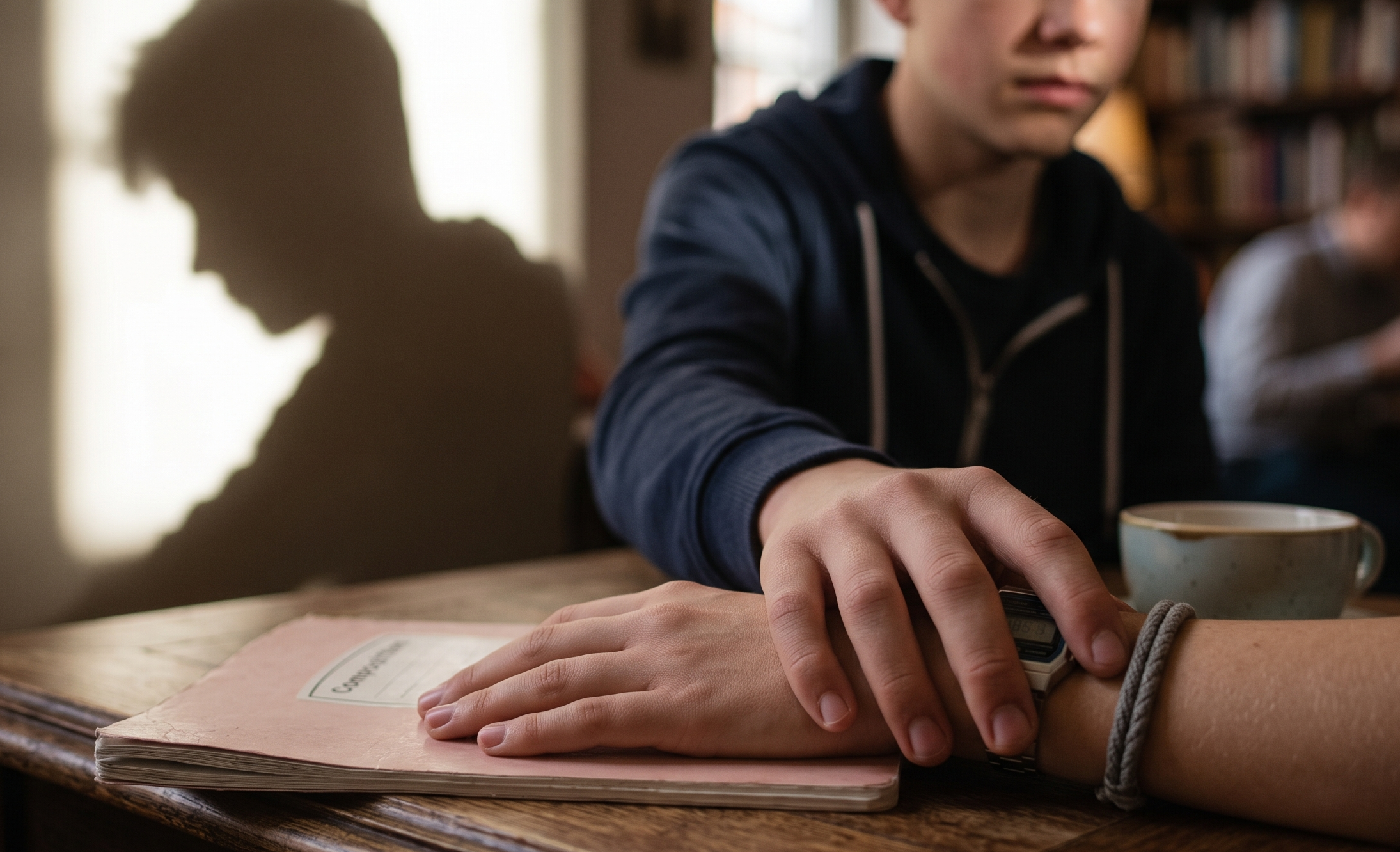 |
AI illustration |
Parents should also educate children on age-appropriate puberty topics, including body boundaries, consent, social media safety, and how to handle teasing or bullying. These skills are essential for all children, regardless of sexual orientation.
In summary, a child's sexual orientation cannot be determined solely by their speech, interests, or family environment. What children need most at this age is a calm, non-judgmental, and attentive mother. If a child experiences prolonged sadness, withdrawal, bullying, declining academic performance, or self-harming behavior, the family should seek help from a psychologist or adolescent health doctor.
Dr. Tra Anh Duy
Men's Health Center