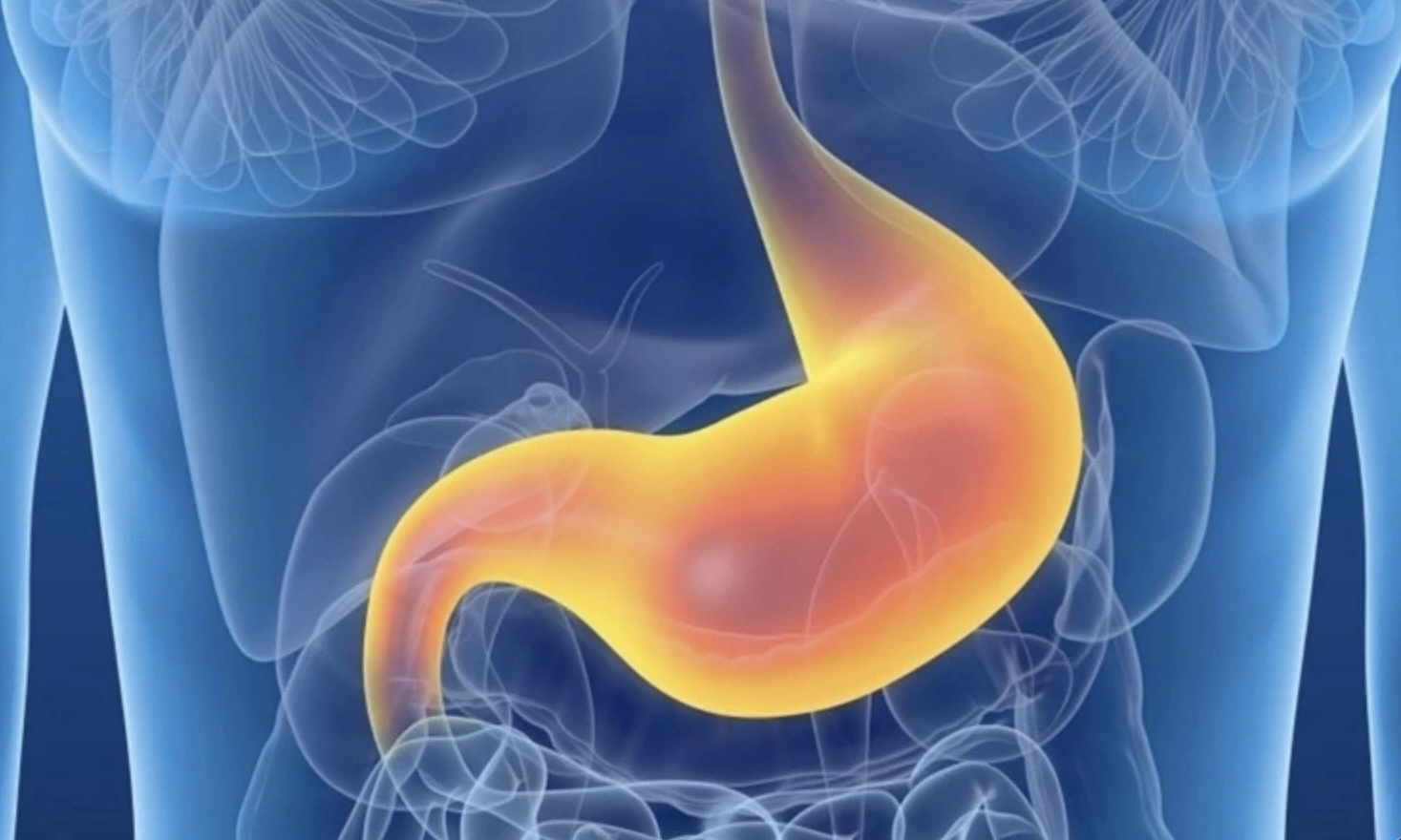
According to Doctor Vo Hong Minh Cong, deputy director of Gia Dinh People's Hospital, an expanding waistline after 35, despite not overeating, is a common occurrence. The cause is not solely due to increased food intake, but also relates to changes in how the body uses and stores energy.
Hormonal changes
After 35, hormone levels in both men and women tend to decline. In men, testosterone gradually decreases with age, while this hormone plays a role in maintaining muscle mass and supporting fat burning. As testosterone declines, fat tends to accumulate more easily in the abdominal area.
In women, as they enter perimenopause, estrogen levels decline, causing fat to shift from the thighs and hips to the abdominal region.
Additionally, cortisol, also known as the stress hormone, can increase due to age and the pressures of work and life. Elevated cortisol promotes the accumulation of visceral fat in the abdominal area.
Age-related muscle loss
After the age of 30, without regular exercise, the body can lose approximately 1-2% of its muscle mass each year. Muscles consume energy even when the body is at rest. Therefore, as muscle mass decreases, so does the rate of energy expenditure.
This means that an amount of food previously sufficient may later become excessive, with the surplus energy easily stored as fat.
Decreased basal metabolism
This is a direct consequence of the aforementioned muscle loss. A reduced resting metabolic rate means that an amount of food previously considered "just enough" now results in a surplus, and this surplus tends to be preferentially stored in the abdomen.
 |
Illustration created by AI. |
Reduced insulin sensitivity
Age and a sedentary lifestyle can lead to cells becoming less sensitive to insulin. Consequently, the body must produce more insulin to regulate blood sugar. High insulin levels can promote fat accumulation, particularly visceral fat around the abdomen.
Lack of sleep, chronic stress
Insufficient, restless sleep and chronic stress can elevate cortisol levels, while also affecting hormones that regulate appetite. These factors make the body more prone to accumulating belly fat, even with a modest food intake.
To mitigate the increase in belly fat after 35, it is advisable to engage in resistance training two to three times per week to maintain and increase muscle mass. The diet should ensure adequate protein intake to limit muscle loss, while also restricting sugar and refined carbohydrates.
Getting sufficient sleep, 7-8 hours daily, and managing stress are also crucial. If hormonal causes are suspected, such as women entering perimenopause or men with low testosterone, it is recommended to consult an endocrinologist for appropriate assessment and advice.
Doctor Cong recommends that maintaining physical activity, a balanced diet, and adequate sleep can help control age-related increases in belly fat.
Le Phuong