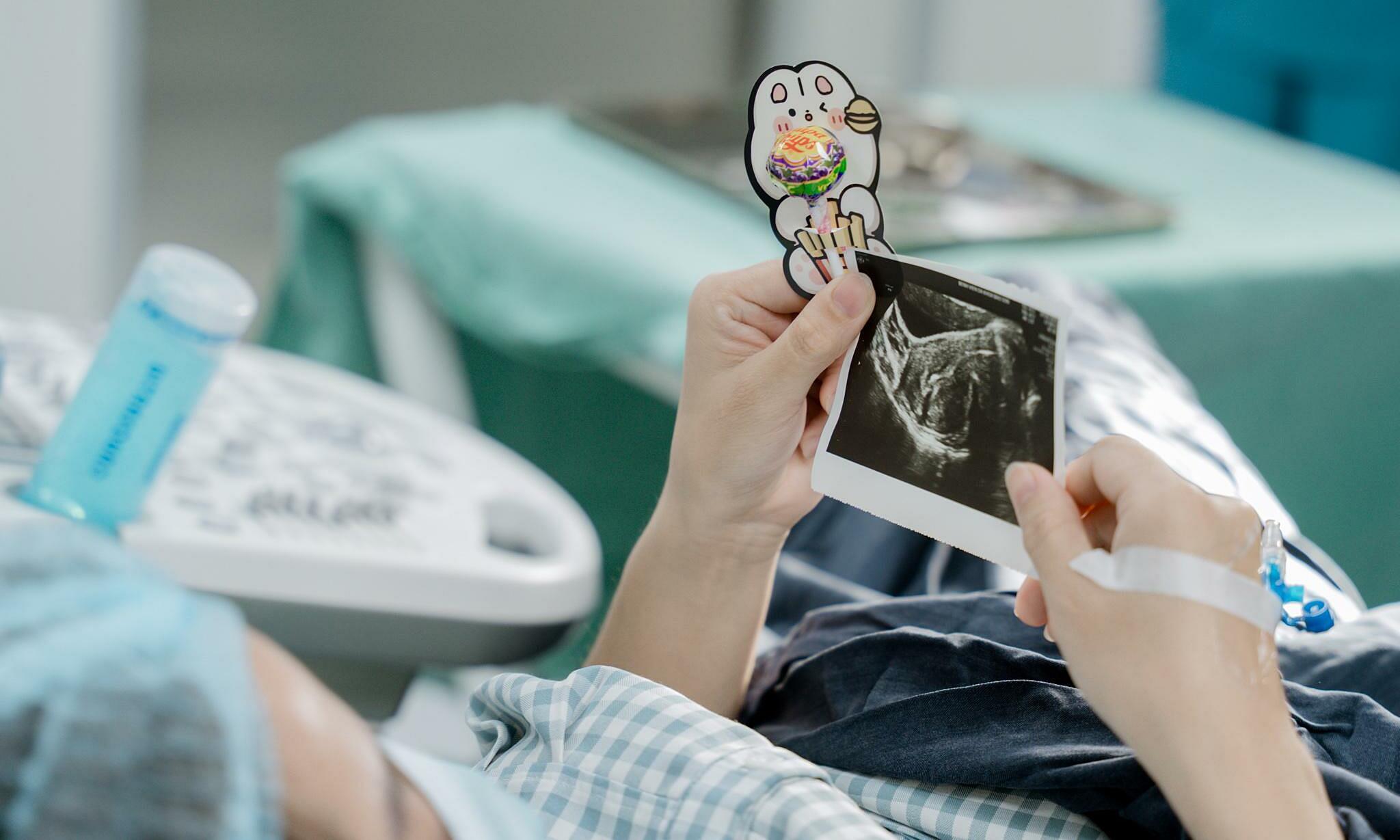
Ms. Ha experienced pain in her left leg, swelling around the ankle, and a dark brown discoloration, leading to restless nights after activities like climbing hills and visiting temples. Dr. Nguyen Thu Trang, a Doctor of Medicine, Level II, from the Cardiology Department at Tam Anh General Hospital Hanoi, reported that an ultrasound and X-ray revealed joint damage inconsistent with her symptoms. However, a lower limb vascular ultrasound confirmed severe insufficiency of the great saphenous vein (a superficial vein just under the skin in the leg) in her left leg.
The vein in Ms. Ha's thigh measured 8 mm in diameter, significantly larger than the normal range of 3-5 mm. This condition severely impaired the function of blood drainage from her lower limbs to the heart, causing venous stasis in her calf and ankle areas.
Dr. Trang diagnosed Ms. Ha with varicose veins at stage C4A (out of six stages, 1-6), noting the presence of skin pigmentation changes. Without treatment, the condition could worsen, leading to skin atrophy, venous ulcers that are difficult to heal, easy recurrence, and scarring. Furthermore, prolonged varicose veins increase the risk of thrombosis, which in some cases can migrate into the deep venous system, causing a dangerous pulmonary embolism.
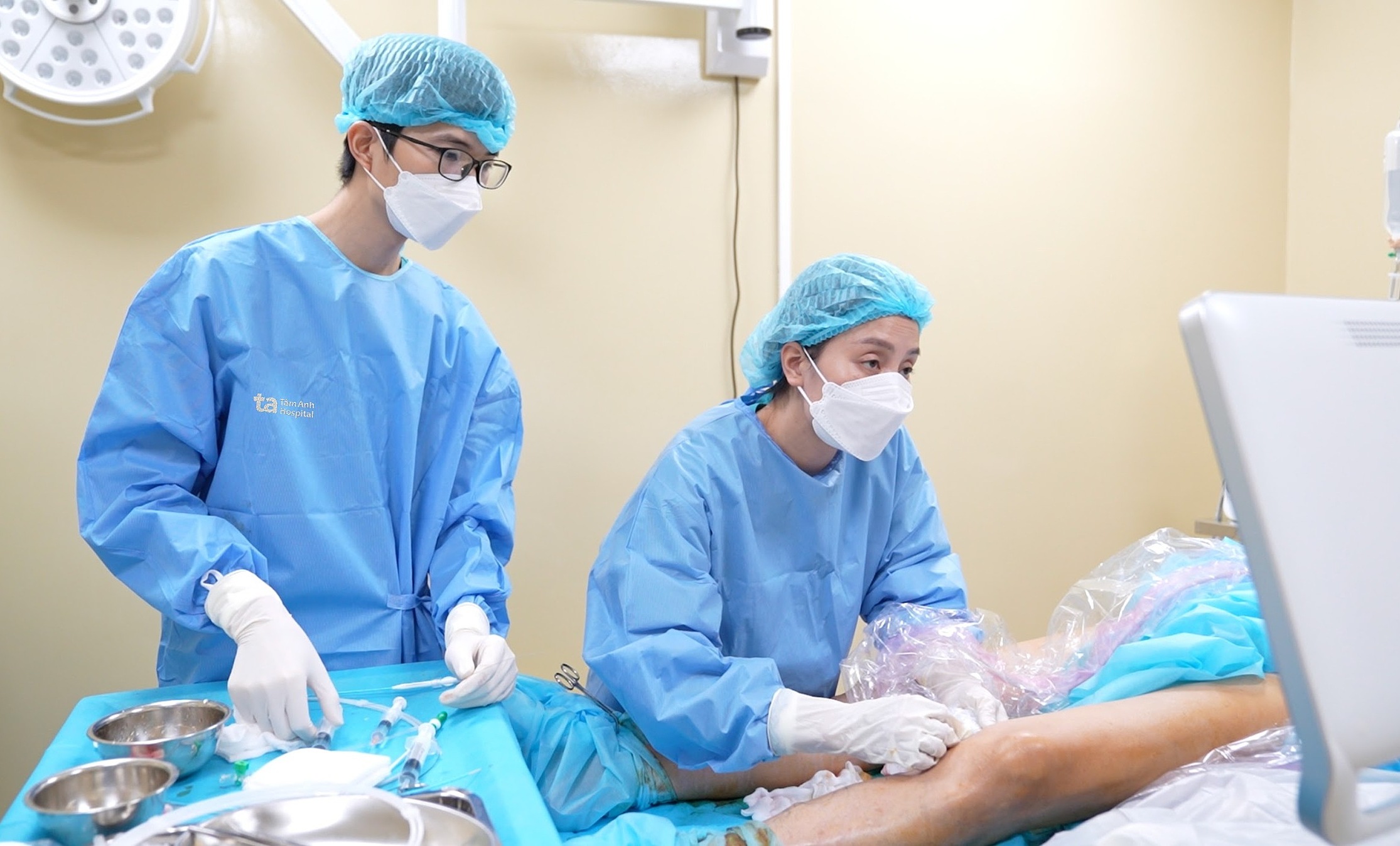 |
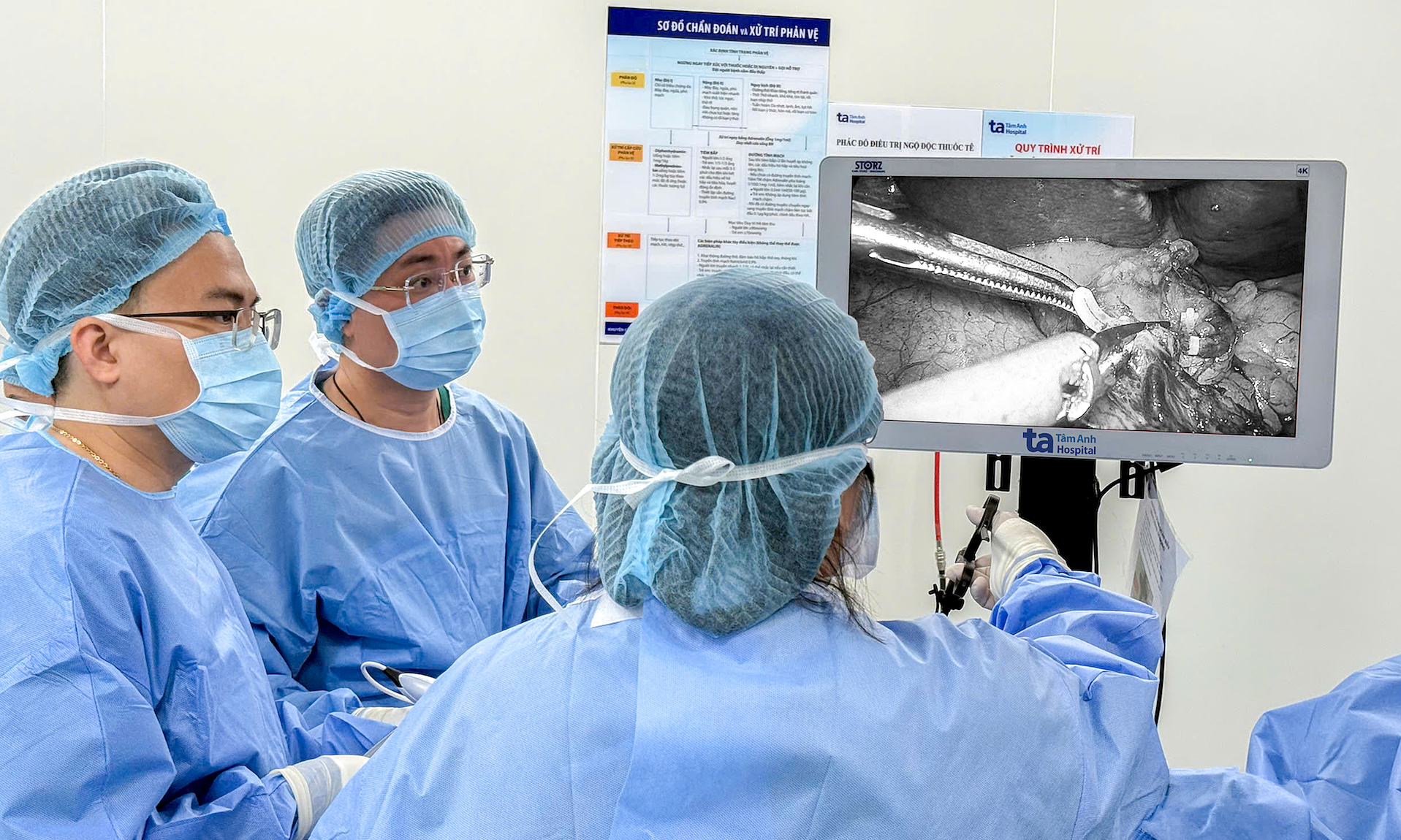
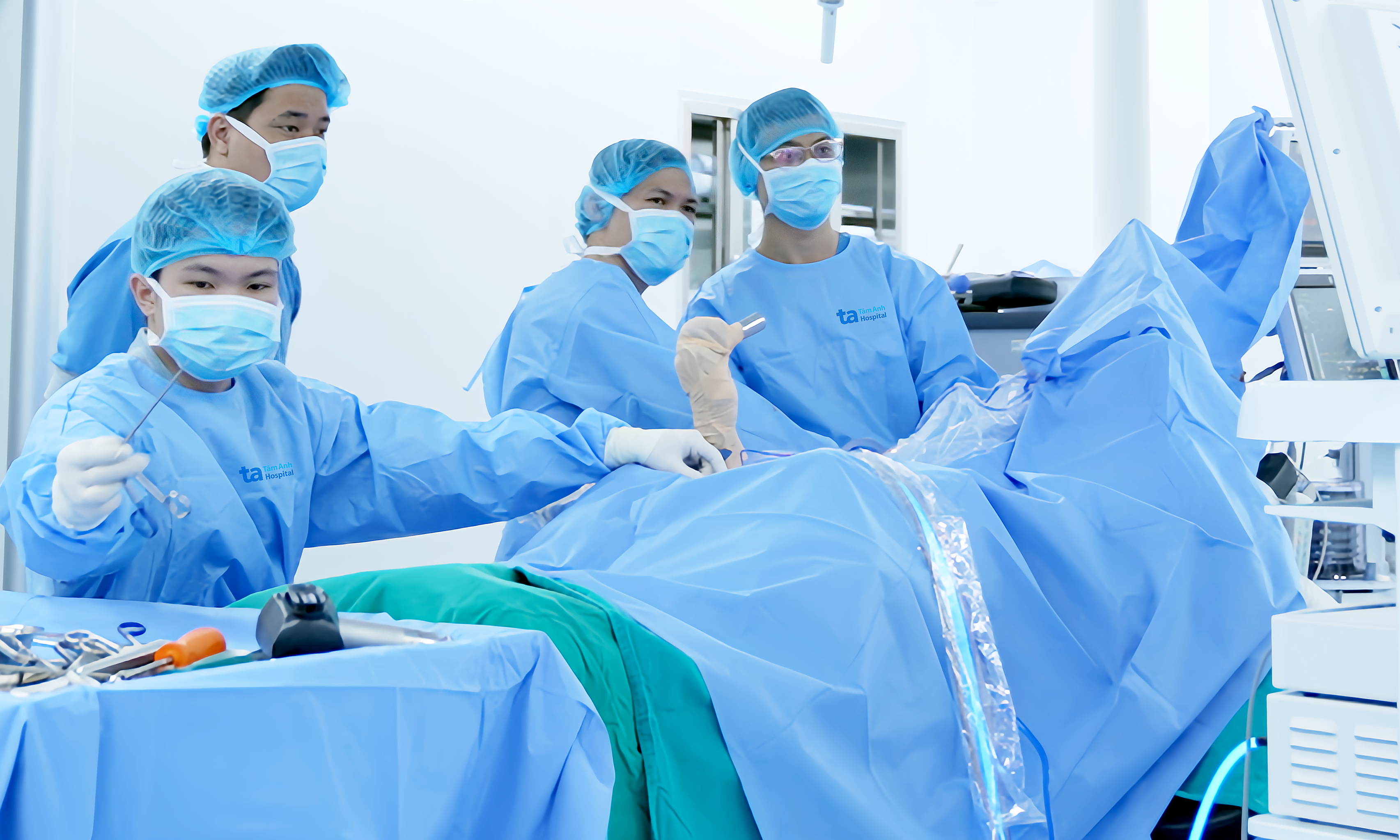
The team performing varicose vein intervention for the patient. *Photo: Tam Anh General Hospital* |
Ms. Ha underwent a procedure to close the insufficient vein using bio-adhesive. Doctors inserted a small catheter into the diseased vein and then injected specialized glue to seal it. Approximately 40 minutes after the intervention, the patient was able to stand and walk normally.
 |
A doctor advises Ms. Ha before her discharge. *Photo: Tam Anh General Hospital* |
According to Dr. Trang, lower limb varicose veins are more common in women, often associated with pregnancy, childbirth, prolonged standing or sitting, and a lack of physical activity. In the early stages, patients typically experience only heavy or tired legs, symptoms that are easily overlooked or mistaken for age-related musculoskeletal conditions.
Vascular ultrasound is the primary diagnostic method. Early detection allows for management through lifestyle changes, wearing compression stockings, or medication. When the disease progresses, doctors consider minimally invasive interventions such as laser, radiofrequency ablation, or bio-adhesive injection. Among these, the bio-adhesive method causes less pain and does not require wearing compression stockings after the procedure.
Doctors recommend that individuals experiencing symptoms such as heavy, tired legs that worsen in the afternoon, ankle swelling, skin discoloration, or visible varicose veins seek early medical attention to prevent complications.
Ly Nguyen
| Readers can submit questions about cardiovascular health here for doctors to answer |