While the direct risk of contracting rabies from swimming with a dog is low, frequent interaction between children and pets presents a higher overall risk due to various factors. Rabies is a fatal disease once symptoms manifest, making prevention crucial.
Rabies is an acute viral infection of the central nervous system, primarily transmitted from mammals to humans through saliva containing the rabies virus. Most human exposures occur via bites, scratches, or licks from rabid animals. Additionally, dog or cat saliva contacting mucous membranes such as the eyes, nose, or mouth can also lead to rabies.
Contracting rabies while swimming with a dog is rare. The rabies virus is readily inactivated by exposure to soap, saltwater, high temperatures, sunlight, and swimming pool disinfectants like chlorine.
However, if a child frequently interacts with dogs, the risk of rabies remains high. Children playing with dogs or cats often forget or conceal injuries, fail to inform parents, or may allow a dog to lick their eyes, nose, or mouth, increasing potential exposure.
There is no cure for rabies. Once symptoms appear, nearly 100% of patients die. To prevent infection, it is advisable not to let your daughter swim with, hug, or pet dogs or cats, and ensure any play with pets is supervised by an adult.
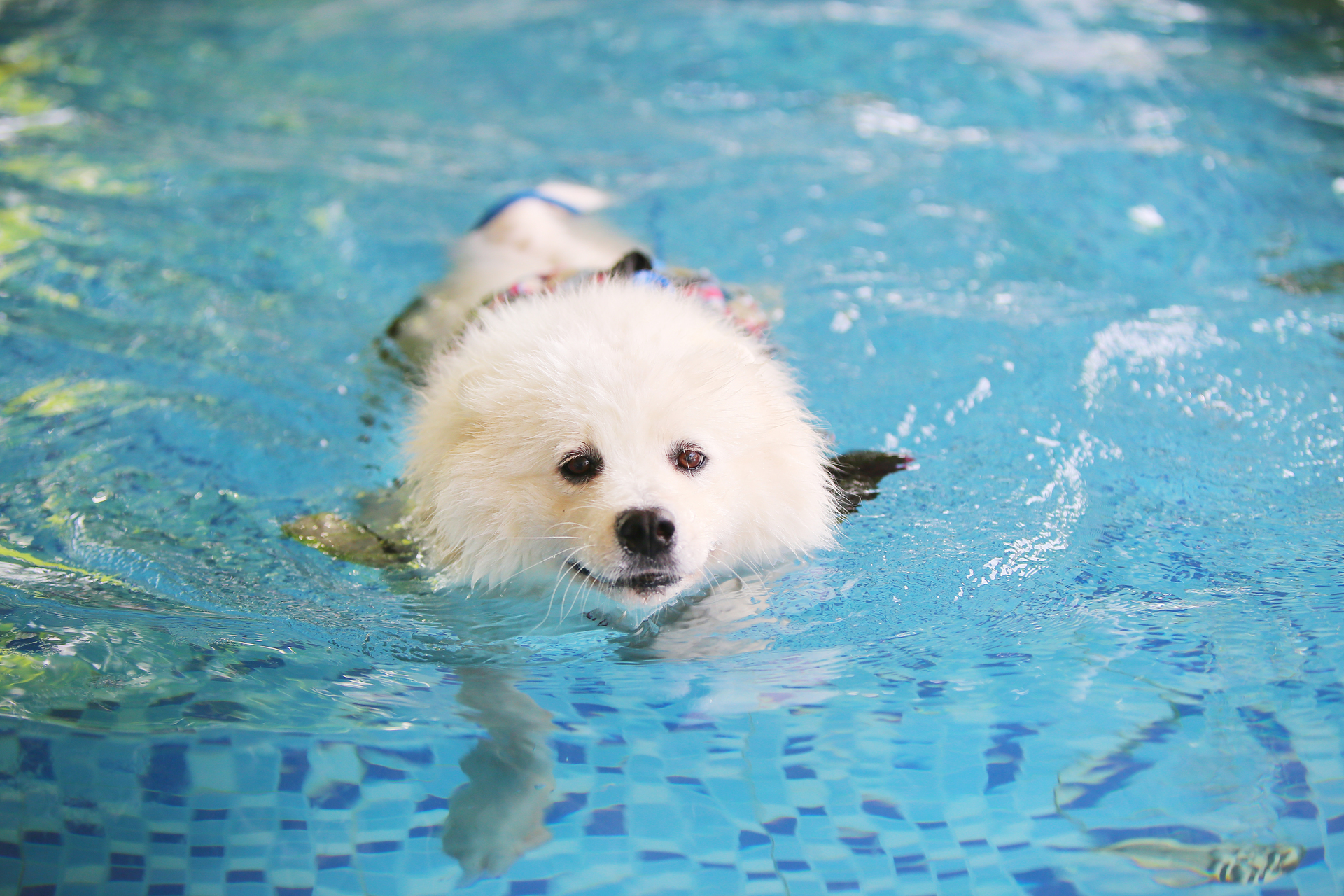 |
Children should not swim with dogs to prevent rabies. Illustration: Vecteezy
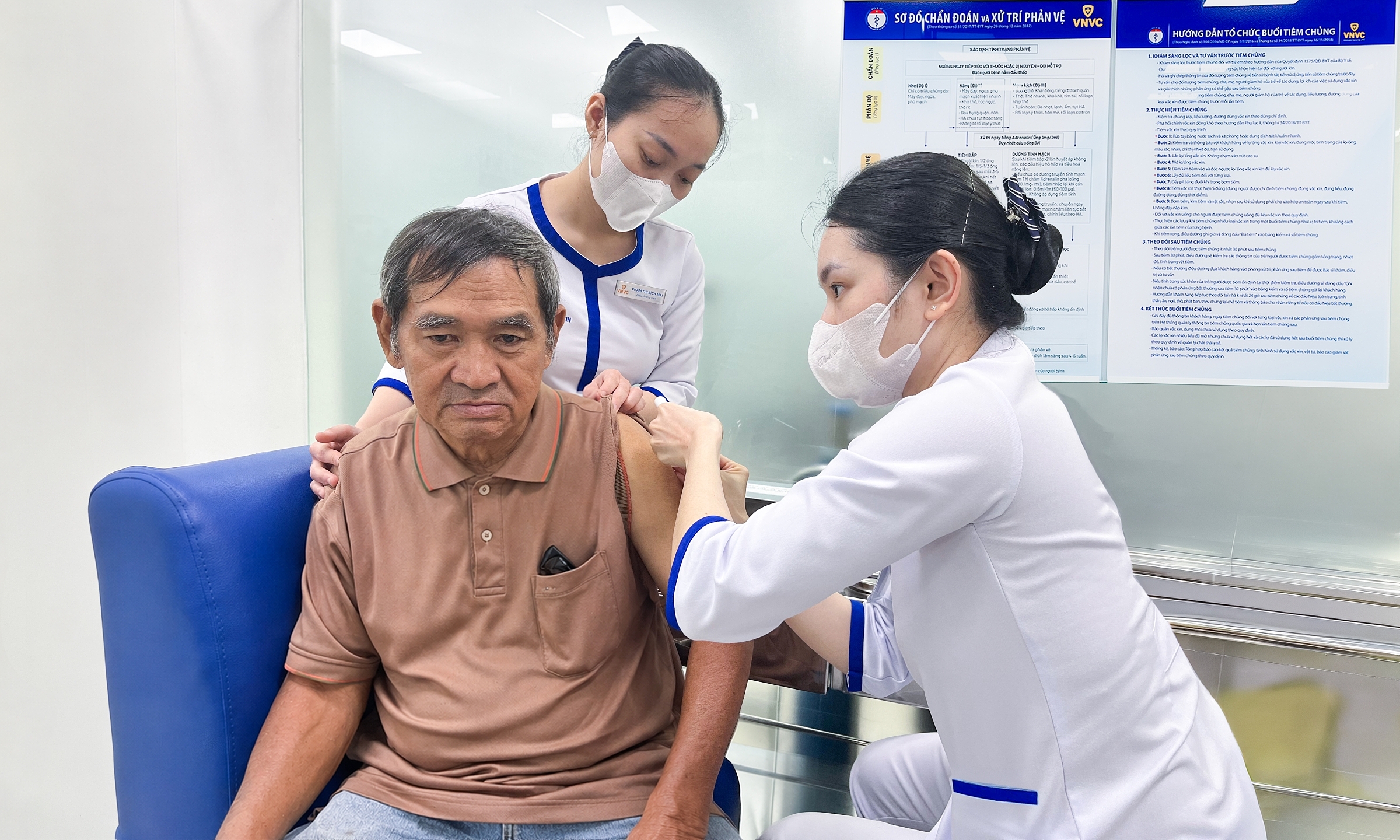
If you are concerned about your child's potential exposure, you can take them to a vaccination center for consultation on pre-exposure rabies vaccine. The pre-exposure schedule involves three doses on days 0, 7, and 21 or 28, which helps the body build protective antibodies. If subsequent exposure occurs from a dog or cat bite, scratch, or lick to mucous membranes or an open wound, only two additional vaccine doses are required, without the need for rabies immunoglobulin.
If not previously vaccinated and exposed to a dog or cat bite, scratch, or lick to mucous membranes or an open wound, immediately wash the wound with clean water and soap for 15 minutes. Following this, disinfect the wound with povidone-iodine solution, alcohol, or iodine alcohol, then proceed to the nearest vaccination center for a doctor to assess the wound and prescribe vaccination. The post-exposure vaccine schedule includes 5 intramuscular doses on days 0, 3, 7, 14, and 28; alternatively, 8 intradermal doses on days 0, 3, 7, and 28. Rabies immunoglobulin may also be administered for severe wounds or those located on the head, neck, hands, and feet.
People should not squeeze blood from wounds or apply traditional folk remedies, as this can increase the risk of infection and facilitate faster virus entry. Additionally, vaccinating pets against rabies significantly enhances disease prevention efforts.
Currently, Vietnam offers several new-generation rabies vaccines, including: Verorab (France) and Abhayrab (India). These vaccines are safe, do not affect memory or the nervous system, and can be administered at any age.
Doctor Nguyen Duc Ba Dat
Medical Manager, VNVC Vaccination System
Readers can submit vaccine-related questions for a doctor to answer here.