As individuals enter middle age, many begin to experience significant changes in their sleep patterns. These shifts are often attributed to the natural aging process, even when daily routines remain consistent. Factors such as a shifting biological clock, reduced deep sleep, chronic health conditions, certain medications, and lifestyle choices collectively contribute to these sleep challenges.
The body's internal biological clock undergoes a notable shift during middle age. Individuals may find themselves feeling sleepy earlier in the evening and waking earlier in the morning. Re-entering sleep after waking in the middle of the night can also become difficult.
According to Healthline, aging also reduces the production of melatonin, a hormone crucial for regulating the sleep-wake cycle. This change often leads to more fragmented sleep, even if the total sleep duration does not significantly decrease.
Beyond changes in sleep timing, the very structure of sleep evolves with age. The amount of time spent in deep sleep, a vital stage for physical restoration, tends to diminish as people get older.
Concurrently, the body becomes more sensitive to environmental disturbances such as noise, light, or temperature fluctuations in the room, states Verywell Mind. Consequently, many individuals report feeling tired and less alert upon waking, despite getting sufficient hours of sleep.
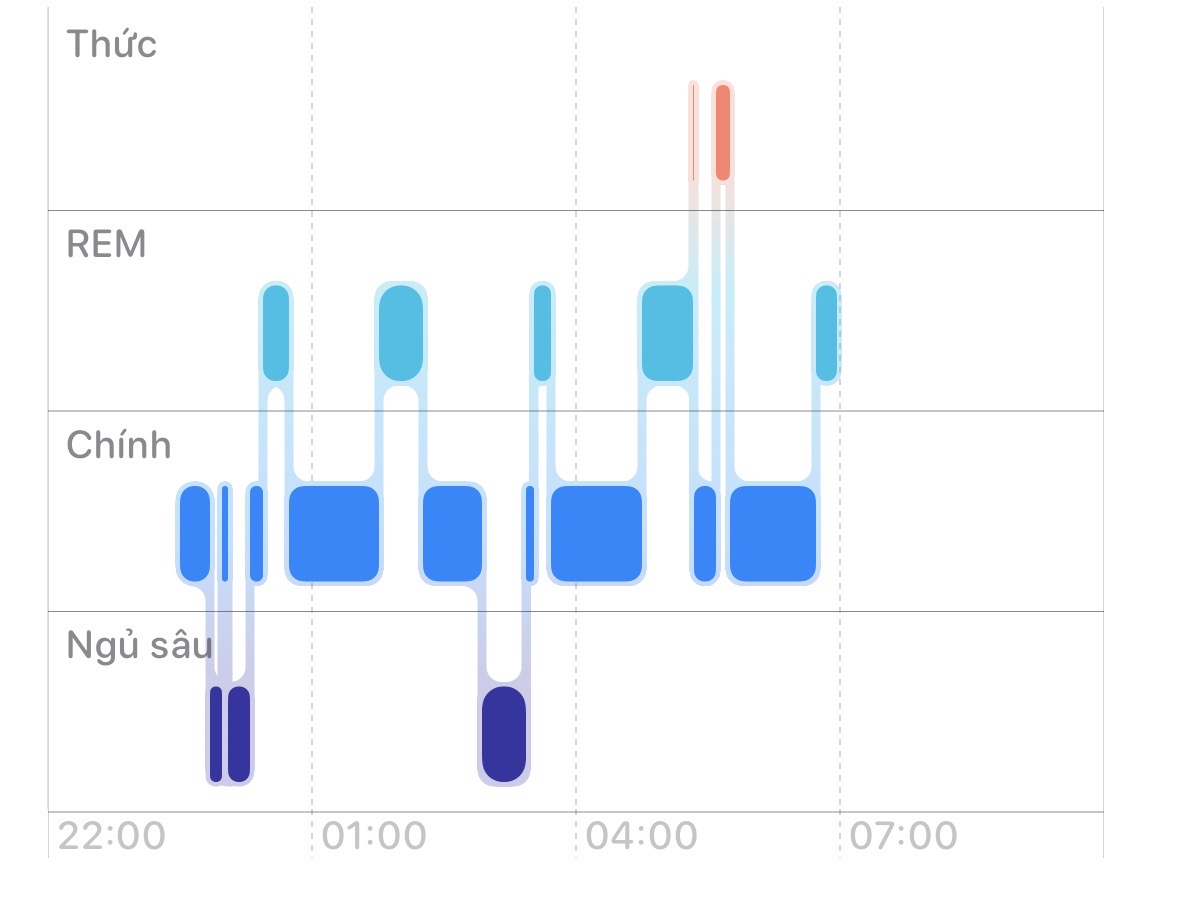 |
The sleep cycle comprises multiple stages, with deep sleep (dark blue) playing a crucial role in body restoration. *Bao Bao* |
Middle age often brings an increased risk of chronic health conditions and the use of medications that can significantly impact sleep quality. Conditions such as hypertension, diabetes, gastroesophageal reflux disease, arthritis, and cardiovascular disease become more prevalent. Symptoms like pain, shortness of breath, frequent nighttime urination, or general discomfort from these illnesses can severely disrupt sleep.
Certain medications also interfere with sleep. Health reports that diuretics can increase nighttime urination, while some antidepressants, corticosteroids, or hypertension treatments may cause difficulty falling asleep or frequent awakenings.
The prevalence of various sleep disorders rises significantly in middle age. Obstructive sleep apnea, for instance, is a common cause of repeated awakenings that individuals may not even recall, leading to daytime fatigue and sleepiness.
Restless legs syndrome and sleep-related leg movement disorder can also fragment sleep, diminishing overall rest quality.
 |
Drinking coffee in the evening or close to bedtime can disrupt the sleep cycle. *Bao Bao* |
Lifestyle choices play a substantial role in determining sleep quality. Factors such as insufficient physical activity, excessively long daytime naps, consuming caffeine or alcohol in the evening, and spending extended periods in bed when not sleepy can all make it harder to initiate sleep.
Experts recommend that middle-aged individuals maintain consistent bedtimes and wake-up times daily, engage in regular exercise, limit caffeine and alcohol intake in the evening, and ensure their bedroom is quiet, dark, and cool. These practices not only enhance sleep quality but also support cardiovascular and mental health.
While occasional nighttime awakenings are not always a concern, especially if one can quickly fall back asleep, persistent sleep problems warrant medical attention. If difficulty sleeping persists for several weeks, results in daytime fatigue, involves loud snoring accompanied by choking, or impacts daily activities, it is advisable to consult a doctor to identify the underlying cause.
Bao Bao (Compiled)