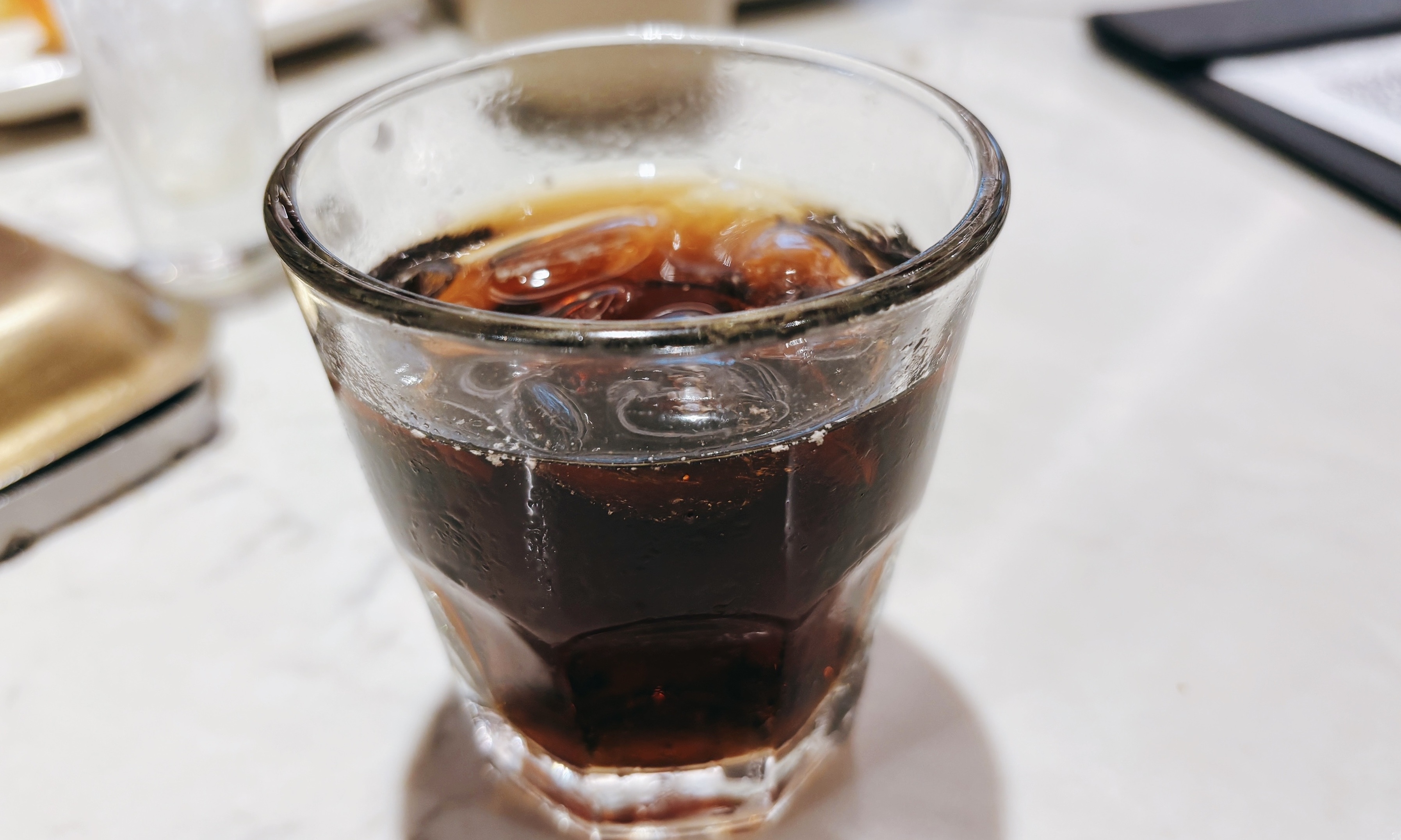
Initially, Minh lost 1.5 kg per week on this diet. By the third week, she developed symptoms including stomach pain, trembling, hair loss, difficulty sleeping, and dizziness. She sought treatment at Tam Anh General Hospital TP HCM, where her blood sugar was found to be twice the normal level, necessitating emergency insulin to stabilize it.
InBody scan results showed Minh weighed 85 kg, with a body mass index (BMI) of 32.8, indicating the highest level of obesity. Her visceral fat was twice the safe threshold, and her muscle mass was below 30%. According to Dr. Vo Tran Nguyen Duy, a Specialist Doctor I in the Department of Endocrinology and Diabetes, the average muscle percentage for Minh's age should range from 40% to 44% of total body weight.
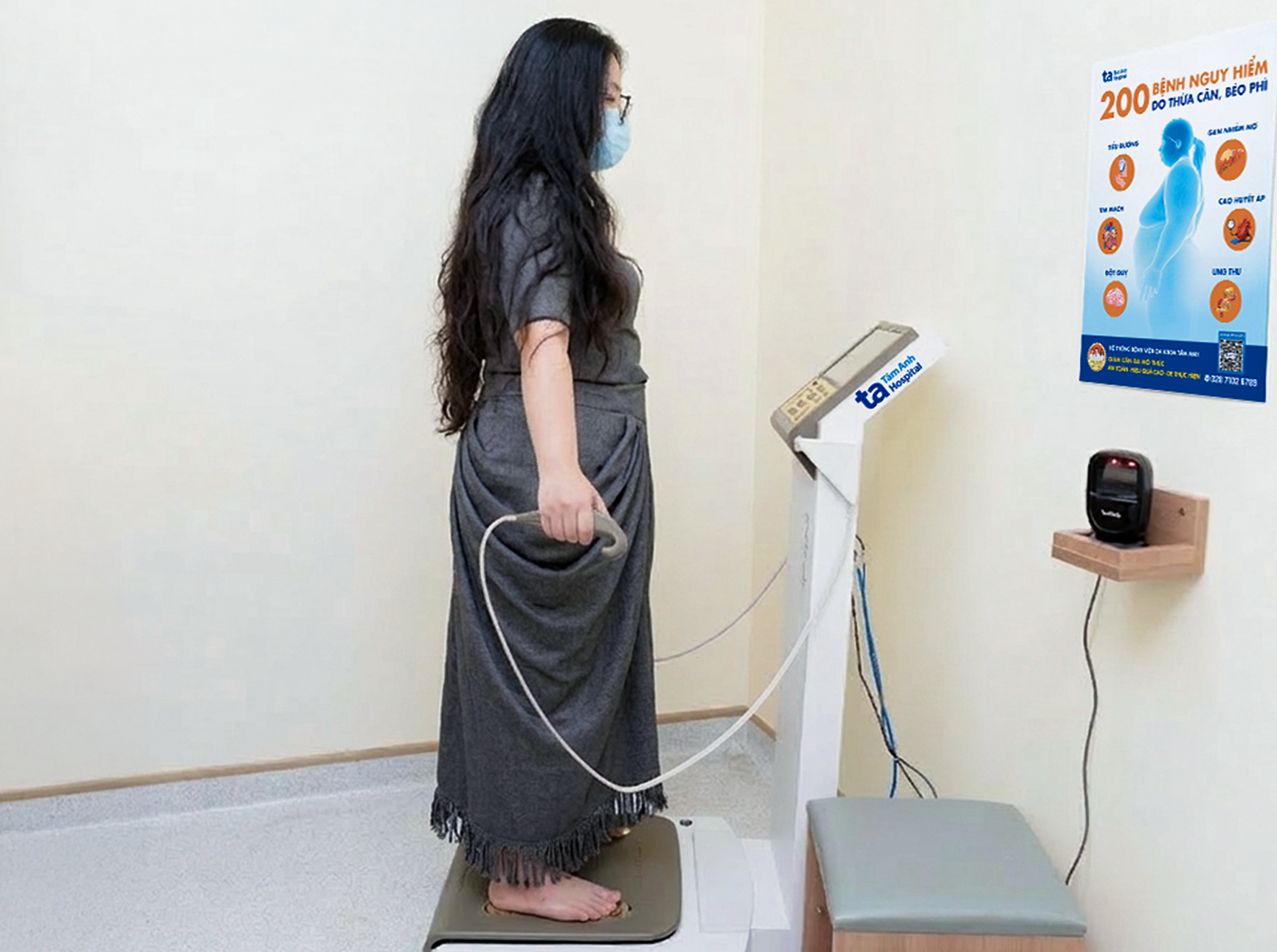 |
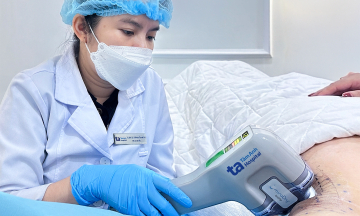
Minh undergoes an InBody scan during her first examination. Photo: Tam Anh General Hospital
"The patient lost muscle and strength due to extreme dieting," Dr. Duy diagnosed. Prolonged fasting deprives the body of energy and protein, leading it to prioritize fat storage and break down muscle for energy. Improper weight loss causes muscle loss, slows metabolism, and weakens the body. This can lead to nutritional deficiencies, osteoporosis, cardiovascular problems, gallstones, and psychological complications.
Sugar-free drinks, despite their name, contain sweeteners. Minh's consumption of these drinks during her diet activated brain regions associated with sugar cravings and hunger, increasing her risk of type 2 diabetes and cardiovascular disease.
 |
Dr. Duy analyzes body composition metrics for Minh. Photo: Tam Anh General Hospital
Minh was prescribed medication to eliminate fat and control cravings. She also adopted a new diet to rebuild lost muscle mass and stabilize blood sugar. Her plan included lean protein, ample green vegetables, and fruits for adequate nutrition, divided into 4-5 small meals daily. This was combined with 30 minutes of walking and limb exercises each morning.
After one month, Minh lost 5 kg. InBody results indicated her muscle mass increased to 33% and visceral fat reduced by 20 cm2. Upon completing the three-month regimen, she had lost 13 kg, with her muscle percentage reaching 40%.
Dr. Duy recommends reducing total daily calorie intake by 10-20% (300-500 calories) to protect muscle and effectively burn fat. To maintain muscle mass, individuals should consume 1.6-2.2 g of protein per kg of body weight daily. Prioritize high-quality protein sources such as chicken breast, fish, eggs, milk, and whey protein to nourish muscles, promote satiety, and aid portion control.
Duc Hanh
*The patient's name has been changed.
| Readers can send questions about endocrine diseases here for a doctor's response. |