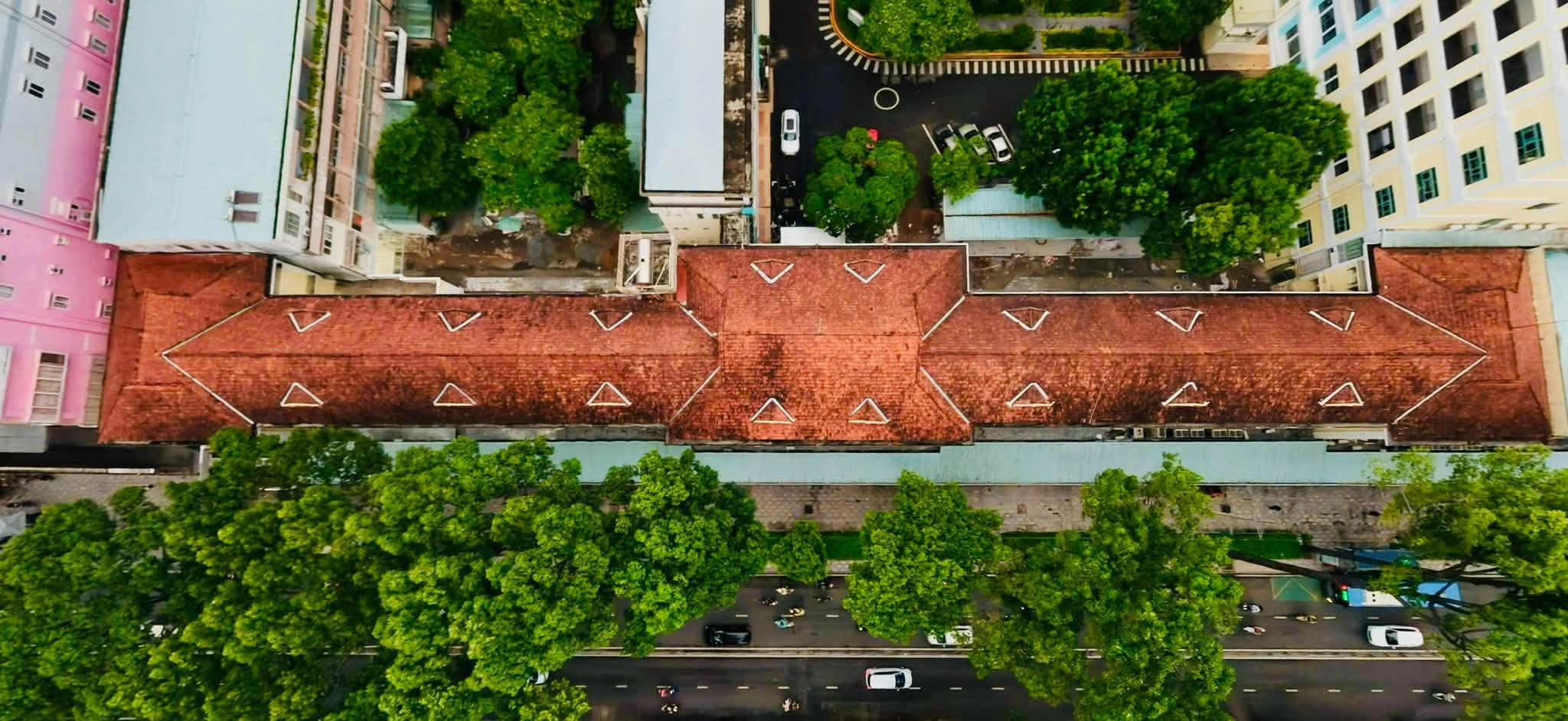
Area A stands as one of Tu Du Hospital's oldest structures, bearing the distinctive mark of French architecture and connected to generations of medical professionals and patients. The building underwent renovation and upgrade with an investment of approximately 17 billion VND. It was inaugurated on 29/9, featuring over 300 reconfigured hospital beds designed to enhance patient privacy and improve living conditions. This area currently houses three departments: Neonatology, Obstetrics A, and Obstetrics M.
Dr. Tran Ngoc Hai, Director of Tu Du Hospital, stated that the hospital had been preparing the facility renovation plan for over two years. The work was implemented in phases across different areas to avoid disrupting examination and treatment activities.
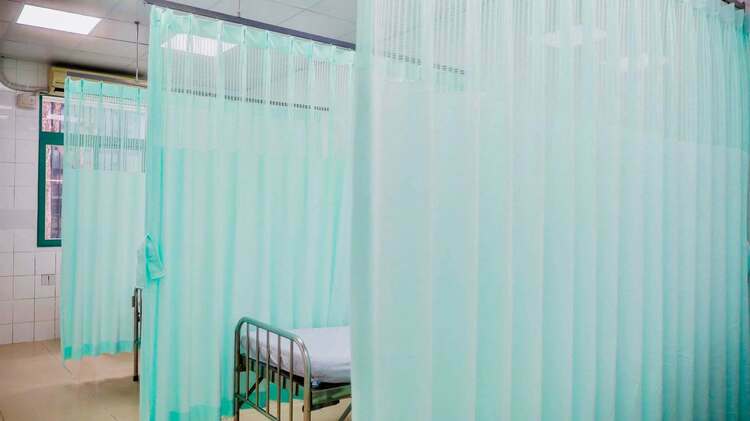
"One significant change is that Area A no longer has five-person shared rooms; rooms now accommodate a maximum of four people, and most beds are equipped with privacy curtains. The number of restrooms has also tripled", Dr. Hai said.
The decision to increase private space stemmed from the reality that many previous patient rooms were crowded with patients, young children, and family members. "Creating privacy is essential for better care and recovery", Dr. Hai explained, adding that renovating old structures is more challenging than new construction, as it requires continuous design adjustments based on the existing conditions and usage needs.
'
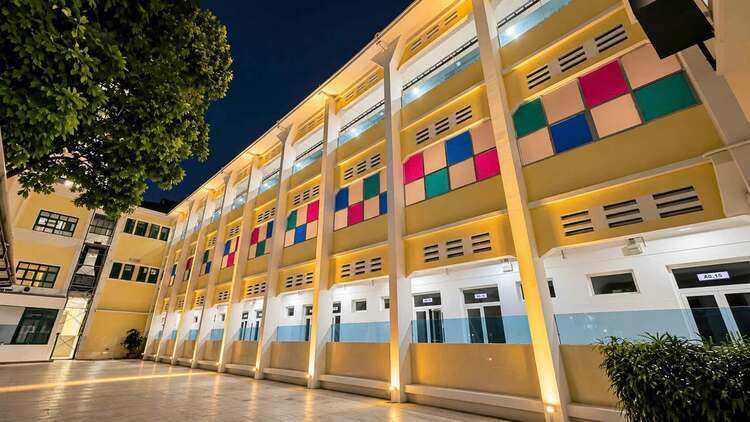 |
The ancient French-style tiled roof of the Area A building. *Photo: Tu Du Hospital* |
The Director of Tu Du Hospital emphasized that the facility renovation not only aimed to modernize the building but also to improve treatment conditions, especially for health insurance patients, while creating a more favorable working environment for medical staff.
Dr. Pham Viet Thanh, former Director of Tu Du Hospital, believes that the renovation of Area A, while preserving its old architectural features, holds significant meaning in the hospital's development. According to him, this area was once earmarked for preservation within the master plan to conserve the hospital's historical traces. In the past, this area was rich with trees, yet its facilities were lacking. Over generations, the hospital gradually constructed additional buildings, patient rooms, and operating rooms to meet patient needs.
'
 |
At the inauguration ceremony, Dr. Nguyen Thi Tu Anh, Head of the Neonatology Department, shared that her department admits over 2,000 premature infants annually who require Kangaroo care. Infants and their parents may stay at the hospital for two weeks to two months. Clean and spacious patient rooms help improve the conditions for caring for premature infants, supporting their recovery process and enabling them to return home sooner.
Alongside Area A, Tu Du Hospital also renovated eight operating rooms in Area H. Dr. Tao Tuan Kiet, Head of Anesthesia and Resuscitation, noted that the new operating room environment enhances safety and supports advanced surgical operations.
 |
Tu Du Hospital originated as an obstetrics department within Lalung Bonnaire Hospital, now Cho Ray Hospital, established in 1923. In 1937, Chinese businessman Hui Bon Hoa, known as "Uncle Hoa", donated land on Arras Street, now Cong Quynh Street, to build the Indochinese Maternity Hospital. French Professor George Cartoux served as its director.
Due to wartime conditions, after its construction, the facility was successively requisitioned by French and Japanese forces. By September 1943, the maternity hospital began operations with approximately 100 beds. It subsequently underwent several name changes but was commonly referred to by locals as "Uncle Hoa's Maternity Hospital". In 1948, the facility was renamed Tu Du Maternity Hospital. On 8/4/2004, it officially became Tu Du Hospital, establishing itself as one of the largest obstetrics and gynecology facilities in the southern region.
Le Phuong