 |
Coffee
Coffee may help control blood uric acid levels and reduce gout risk for some individuals. This effect could be linked to plant compounds in coffee, not solely caffeine.
Individuals with elevated blood uric acid can drink coffee if their body tolerates it well, preferably pure or low-sugar varieties. Avoid adding excessive sugar or condensed milk, as sugary beverages can increase uric acid levels.
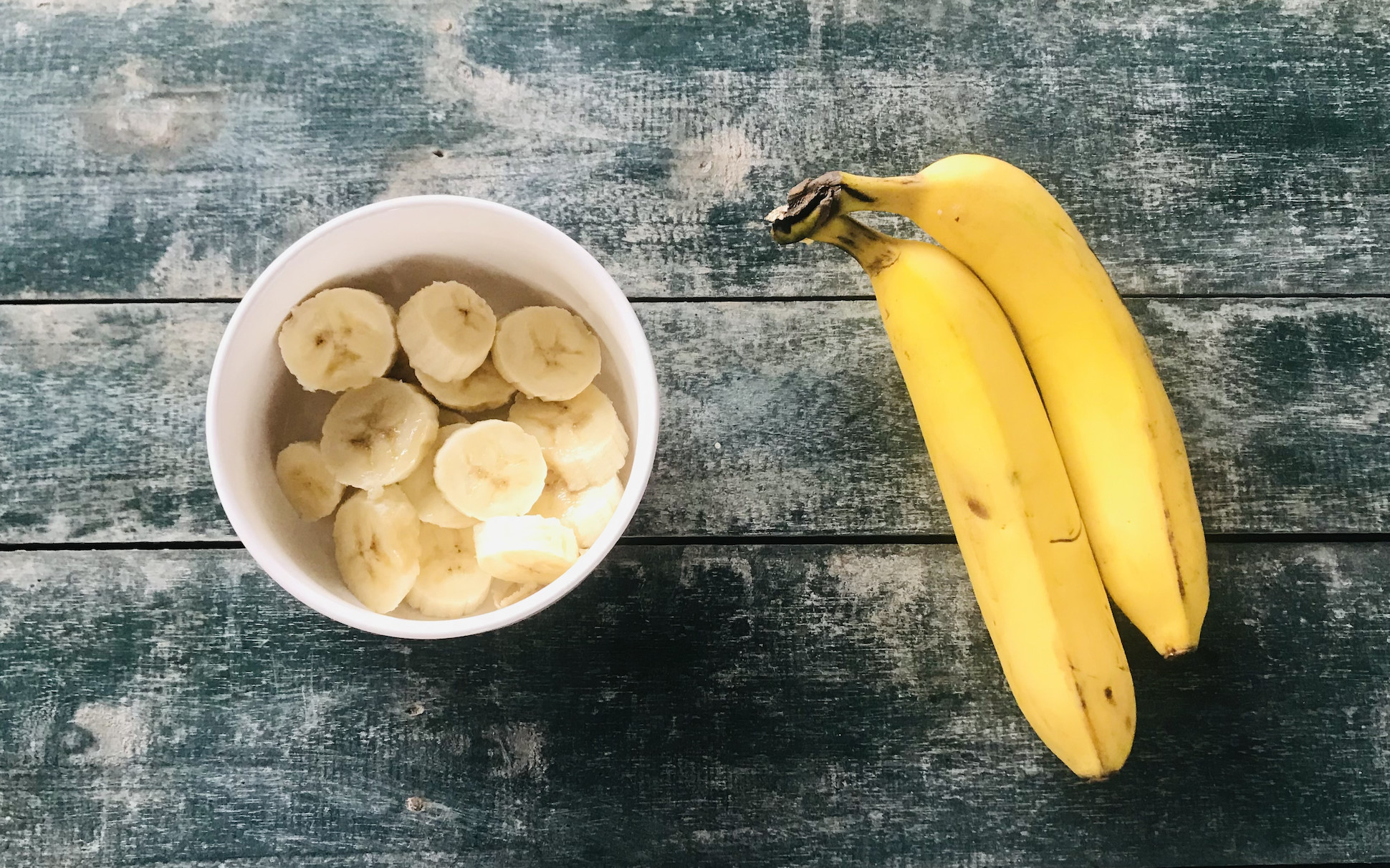 |
Bananas
Bananas are low in purines and rich in potassium, making them suitable for breakfast or to accompany oatmeal and plain yogurt. Gout patients do not necessarily need to eliminate fruit from their diet. Nutritional guidelines for individuals with gout generally recommend fresh fruit over sugary drinks or juices with added sugar.
 |
Cherries
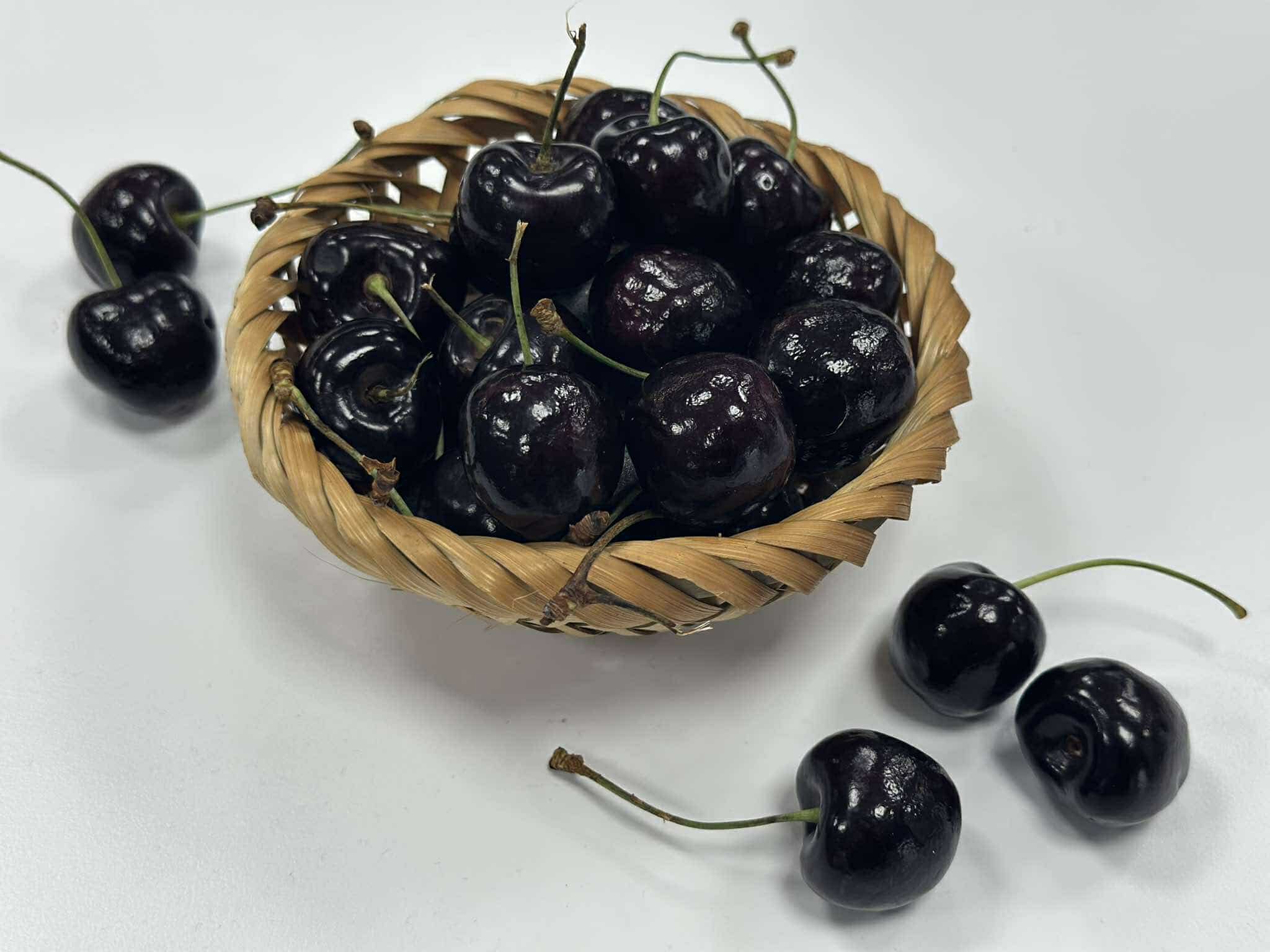
Cherries contain anthocyanins and antioxidant compounds, which have anti-inflammatory effects and may help reduce gout-related inflammation. Individuals with high uric acid levels can add fresh cherries to their diet, prioritizing varieties without added sugar.
 |
Apples
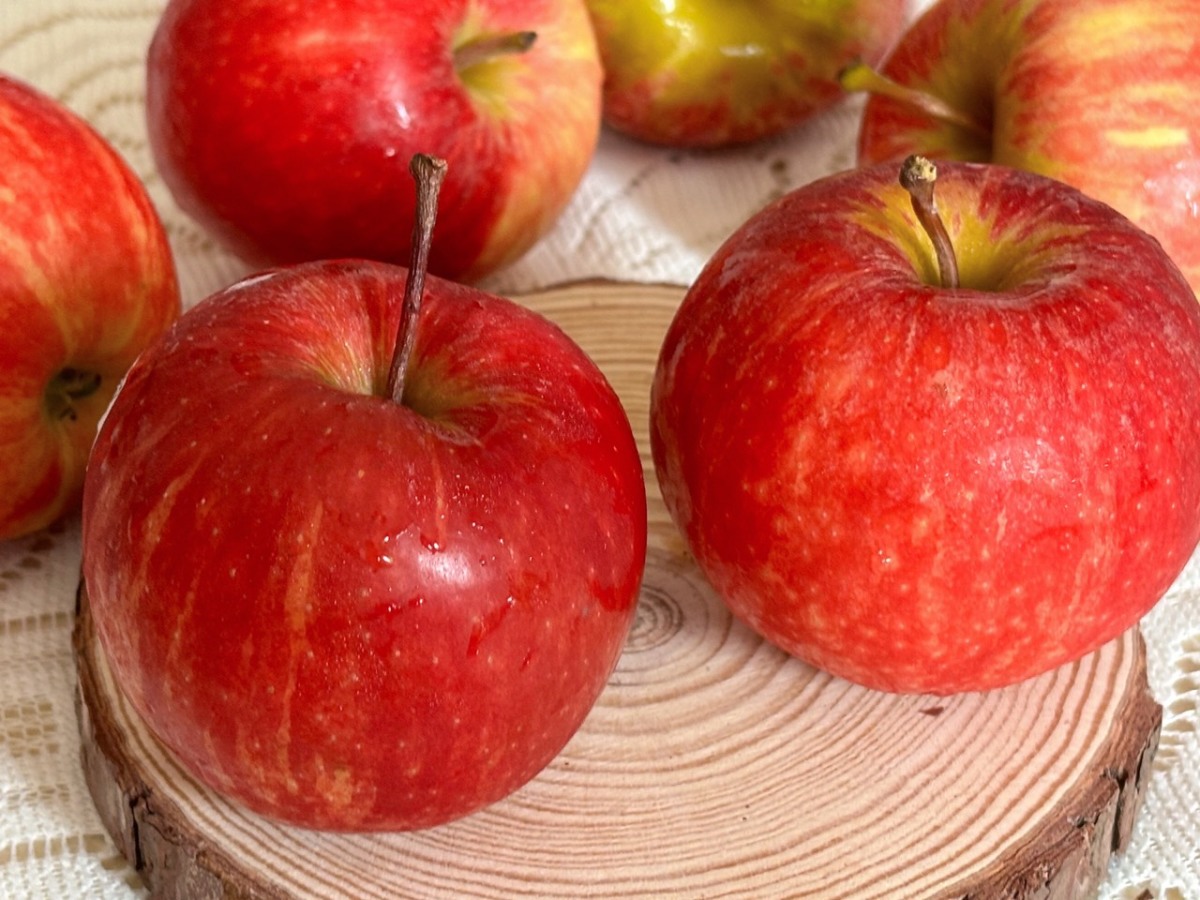
Fresh fruits are generally more suitable than sugary juices for individuals managing uric acid levels. Apples are rich in fiber and naturally sweet, and can be consumed for breakfast alongside protein-rich or healthy fat foods like eggs, yogurt, and oatmeal.
 |
Lemon water
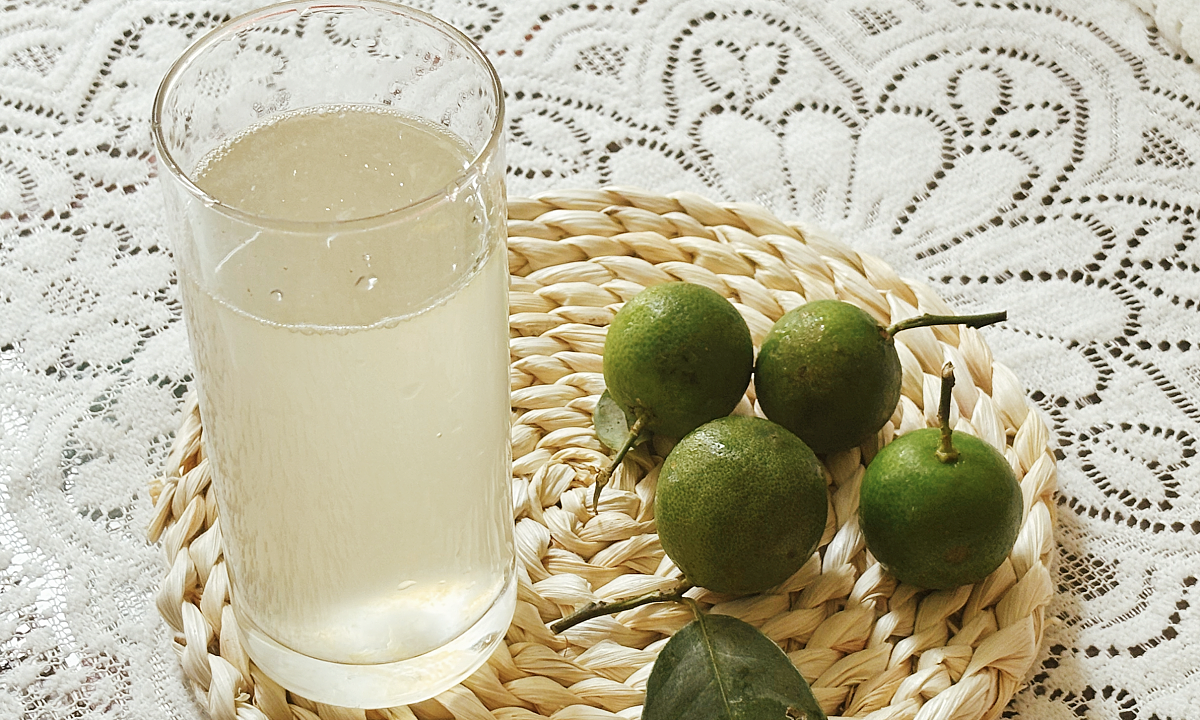
Lemons are low in fructose and provide plant compounds with antioxidant properties, making them suitable for a diet aimed at controlling uric acid.
You can add lemon juice to water or dishes instead of consuming sugary soft drinks. Avoid drinking overly concentrated or excessive amounts of lemon juice, as its acidity can affect tooth enamel and cause discomfort for those with heartburn or acid reflux. Dilute lemon juice and rinse your mouth with plain water after consumption.
Bao Bao (Compiled)
Photos: Bao Bao, Ngoc Pham