The latest report from the Ho Chi Minh City Steering Committee for AIDS, Drug, and Prostitution Prevention and Control, submitted to the city People's Committee, reveals thousands of new infections recorded over the past year. These cases are concentrated mainly among men aged 15-39. While the city estimates over 100,000 individuals are in high-risk groups, current prevention programs only reach about 60% of them, leaving a significant gap in public health safety.
Previously, sharing needles among injecting drug users was the primary cause of outbreaks. Blood-borne transmission consistently dominated, often accounting for 60-70% or more of cases.
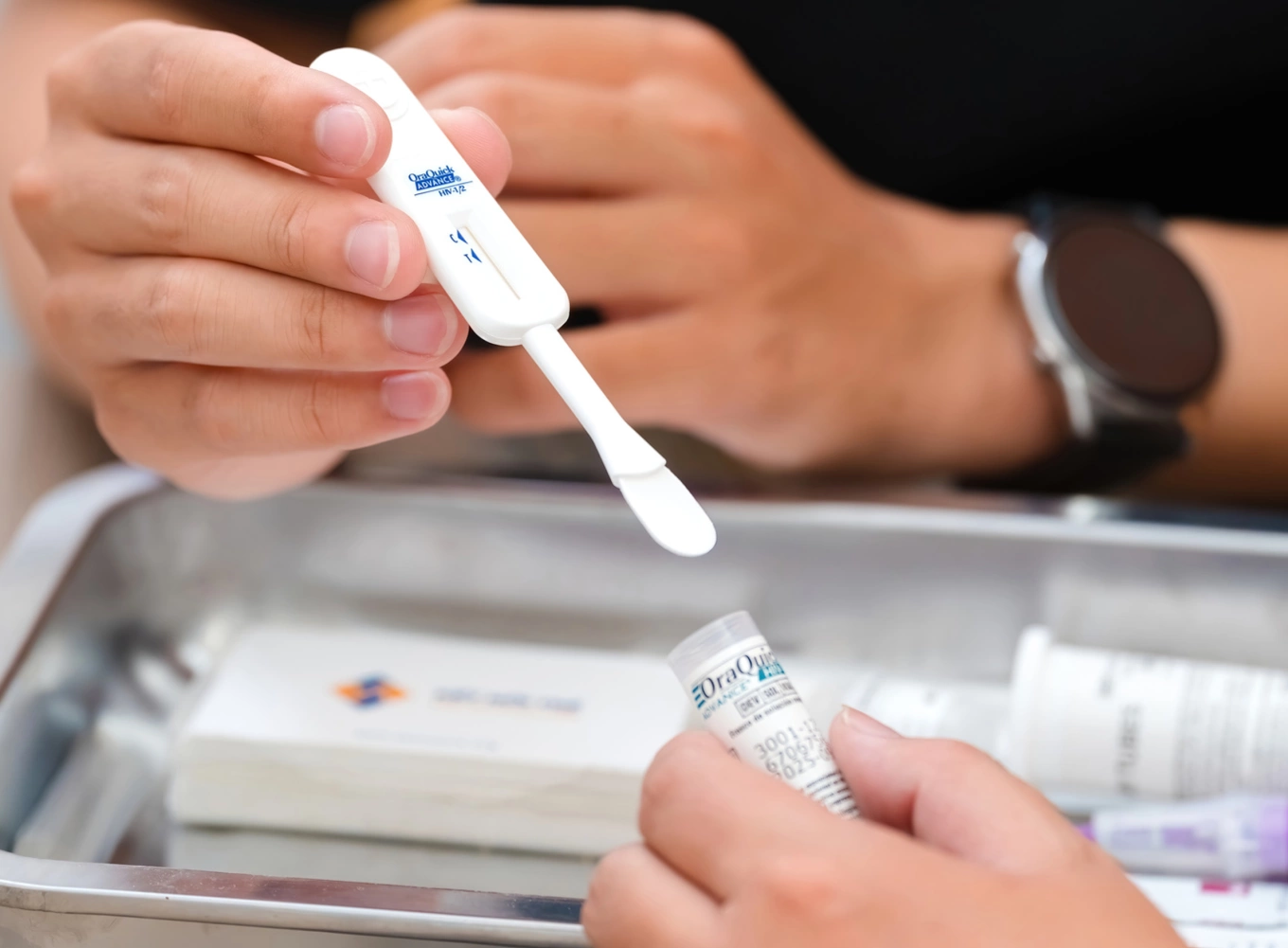 |
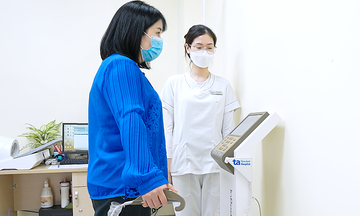
HIV testing in Ho Chi Minh City. *Photo: Tong Nam* |
According to authorities, controlling transmission sources faces significant obstacles as risky behaviors increasingly shift to online platforms. Prostitution now largely exploits social media, forums, and private groups for brokerage, complicating management efforts. Beyond the online environment, the city also has over 10,600 establishments offering sensitive services, such as motels, karaoke bars, and spas. Some of these exploit their business facade to organize sexual stimulation services or form closed prostitution rings.
Alongside prostitution, the complex drug crime situation also fuels the risk of HIV transmission. In 2025, authorities detected nearly 5,200 drug violations, a 21% increase compared to the same period. Criminals extensively use technology for transactions, cryptocurrency payments, and app-based deliveries. Drug use, especially in private groups within apartments or rented rooms, often leads to unsafe sexual practices, increasing the likelihood of disease transmission.
In response to this situation, Ho Chi Minh City authorities have intensified inspections. Over the past year, functional forces reviewed nearly 1,650 service businesses, imposing administrative fines on 254 locations totaling over 3,4 billion VND. They also identified 664 individuals involved in prostitution activities.
From a healthcare perspective, the city is working to expand the coverage of harm reduction programs. Tens of thousands of individuals have received counseling, testing, pre-exposure prophylaxis (PrEP) medication, and antiretroviral (ARV) treatment. However, experts recognize that reaching target groups remains a difficult challenge, as prostitution and drug use activities become increasingly sophisticated and clandestine on the internet.
Le Phuong