Approximately two weeks before hospitalization, the patient frequently experienced fatigue, chest pain, shortness of breath, and a slow heartbeat. When monitoring at home, he recorded heart rates ranging from 38-40 beats per minute, at times dropping below 30 beats per minute.
Five months prior, the patient had been examined and treated for high blood pressure, diabetes, and dyslipidemia at Phenikaa University Hospital (PhenikaaMec). However, no heart rhythm abnormalities were noted then. A routine cardiovascular check-up at a provincial hospital two months before admission also found no unusual signs.
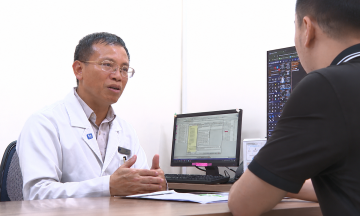
The patient returned to PhenikaaMec for examination and treatment in late July. According to Dr. Nguyen Danh Quy, Deputy Director of PhenikaaMec Cardiovascular Center, electrocardiogram results revealed the patient had intermittent third-degree atrioventricular block. Conduction block phases appeared discontinuously but gradually lengthened and were difficult to recover from. Coupled with a prolonged heart rate below 30 beats per minute, the heart could not pump enough blood to the brain and other organs, potentially causing dizziness, fainting, cardiac arrest, or sudden death.
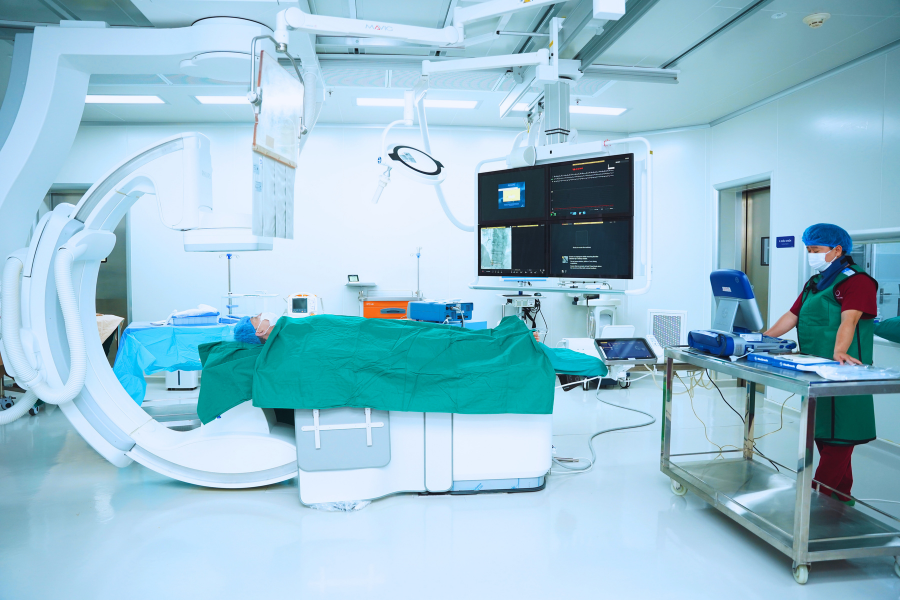 |
The patient underwent coronary angiography on a DSA system to identify the cause before pacemaker implantation. *Photo: PhenikaaMec*
After admission, doctors continuously monitored the patient and conducted examinations to determine the cause of the third-degree atrioventricular block. They performed coronary angiography on a DSA system to rule out acute myocardial infarction and other causes requiring emergency intervention.
Evaluation results indicated that the heart rate was unlikely to recover. The medical team decided to implant a permanent pacemaker for the patient. According to Dr. Nguyen Danh Quy, this minimally invasive procedure took about one hour, helping restore a stable heart rate and maintain blood and oxygen flow to the organs.
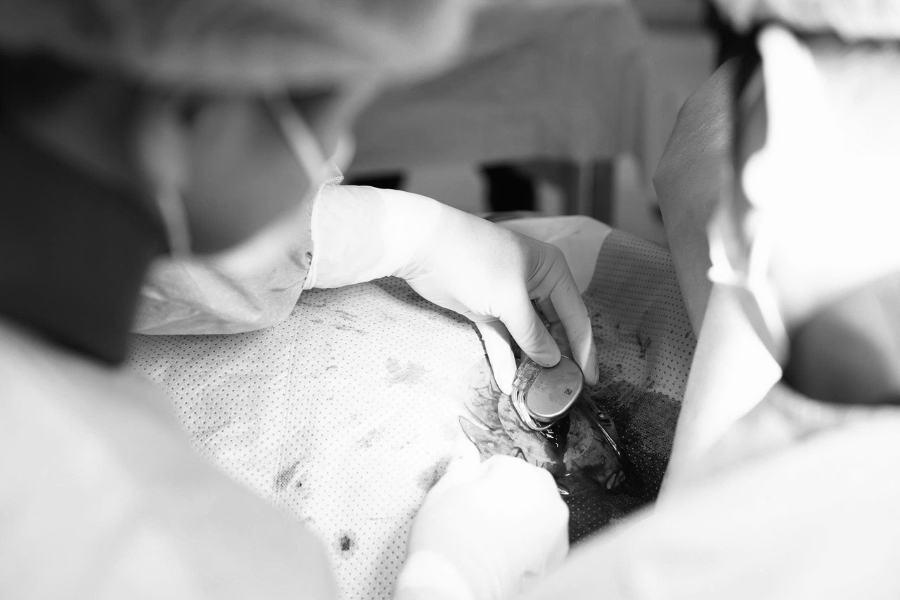 |
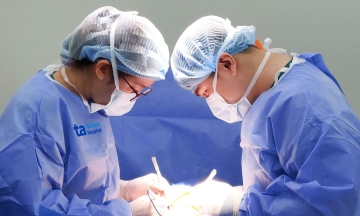
The team implanted a permanent pacemaker for the patient. *Photo: PhenikaaMec*
During the intervention, doctors made a small incision below the left collarbone, then inserted two electrodes into the heart chambers under the guidance of the digital subtraction angiography system. One electrode was placed in the right atrium, and the other in the right ventricle. The two electrodes connected to a pacemaker, about 3-4 cm in size, placed entirely under the skin.
Immediately after the procedure, the patient's heart rate increased from 38-40 beats per minute to 60-65 beats per minute. The device can adjust the frequency according to the level of activity. After about one week, the incision healed well, health stabilized, and the patient was cleared for discharge.
"Before hospitalization, I could only walk a short distance before needing to rest. After the implant, my heart rate is stable, and I feel much stronger," the patient stated.
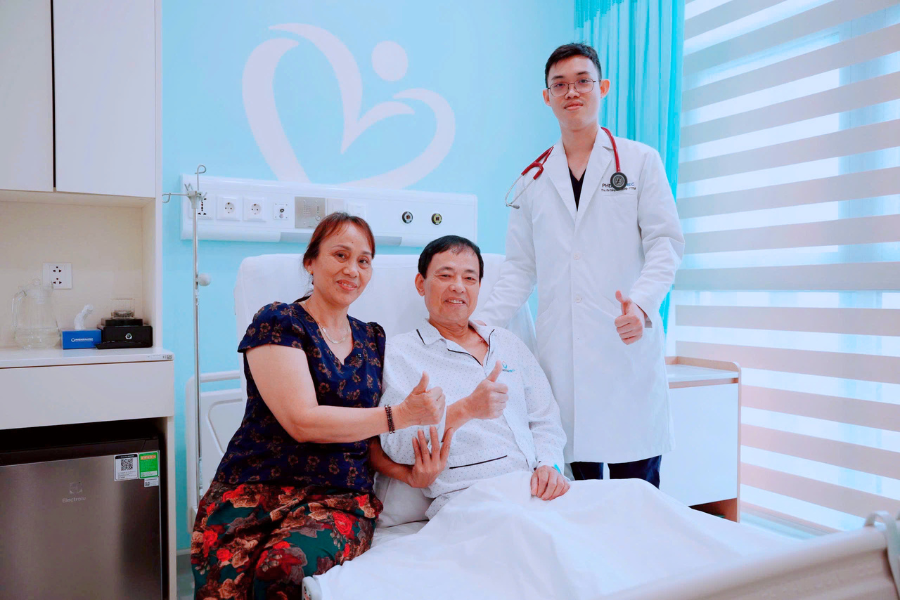 |
The patient's health stabilized after the intervention, and they were cleared for discharge. *Photo: PhenikaaMec*
According to doctors, this case demonstrates that life-threatening arrhythmias can emerge even after previous checks found no abnormalities. Individuals experiencing a slow heartbeat, fatigue, shortness of breath, dizziness, or fainting should seek medical attention for appropriate assessment and treatment.
Van Ha
Inheriting the spirit of "Innovation - Creation - Sustainability" from Phenikaa Group, PhenikaaMec continually invests in developing an academic healthcare model, patient-centered, combining clinical practice, training, and scientific research.
Currently, PhenikaaMec Cardiovascular Center comprehensively implements a system for diagnosing and treating cardiovascular diseases, from prevention to advanced care, including: 24–72 hour Holter electrocardiogram, stress electrocardiogram test, advanced echocardiography, coronary angiography and intervention, emergency temporary pacemaker placement, single and dual-chamber permanent pacemaker implantation, implantable cardioverter-defibrillator (ICD) implantation, and cardiac resynchronization therapy (CRT) implantation.
Accompanying the modern equipment system is a team of experienced cardiovascular specialists. A multidisciplinary coordination model, systematic consultation processes, and mastery of advanced cardiovascular techniques enable PhenikaaMec Cardiovascular Center to enhance the effectiveness of treating complex cases, while providing comprehensive cardiovascular care solutions.
PhenikaaMec Cardiovascular Center Information:
Address: 7th Floor, Building C, Phenikaa University Hospital, Group 5 Hoe Thi, Xuan Phuong Ward, Hanoi
Hotline: 1900 2262
Website: https://phenikaamec.com/