On 22/11, Doctor Ta Thi Thanh Thuy, Head of Obstetrics and Gynecology Department at City International Hospital, stated that a pregnant woman was admitted with elevated blood pressure, proteinuria, generalized edema, increased liver enzymes, acute kidney failure, and progressive hyperkalemia. These symptoms indicated severe pre-eclampsia complicated by acute kidney injury, a condition that could lead to eclampsia and endanger both mother and fetus.
Despite intensive medical treatment, the patient showed poor response, with progressive kidney failure, accompanying acidosis, and hyperkalemia. The emergency resuscitation team, in coordination with internal medicine doctors, closely monitored the fetal heart, detecting signs of acute fetal distress. Recognizing the potential for the situation to become critical at any moment, Doctor Thuy decided on an emergency C-section. This decision was made as both mother and baby were in danger, with the mother experiencing respiratory failure, acute pulmonary edema, and severe fetal heart distress.
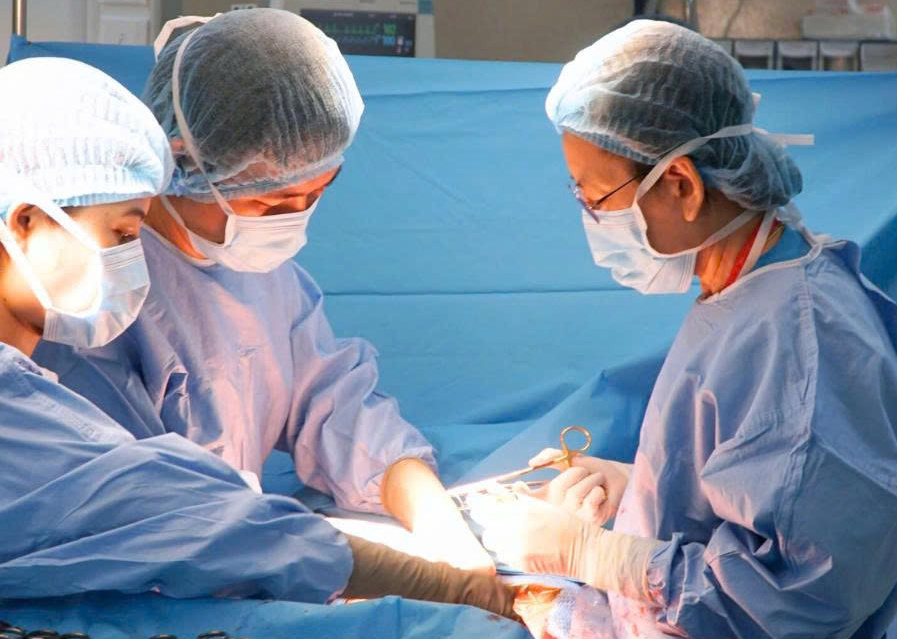 |
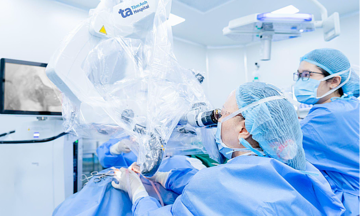
Doctors perform surgery on the pregnant woman. *Photo: Provided by the hospital.* |
Thanks to seamless coordination among specialties, a baby girl weighing 1,1 kg was delivered. Initially, she was not crying, not breathing, and lacked muscle tone. After approximately one minute of resuscitation, the baby began breathing and regained reflexes. She received CPAP respiratory support and was transferred to the neonatal intensive care unit for specialized care. The baby received surfactant to support her lungs, total parenteral nutrition via an umbilical catheter, and infection control measures. Currently, she breathes well independently, digests milk consistently, and is gaining weight steadily.
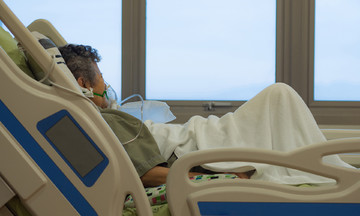
Following surgery, the mother received continuous dialysis and treatment in the Intensive Care Unit. The mother is now gradually recovering from the critical period, her blood pressure is controlled, kidney function is recovering, and severe complications have been avoided.
Doctor Thuy emphasized that pre-eclampsia is one of the most dangerous obstetric complications, progressing rapidly and difficult to predict. Many cases show no clear symptoms until they become severe. Regular prenatal check-ups, monitoring blood pressure, weight, and urine tests are crucial for early detection, timely management, and ensuring the safety of both mother and fetus.
Le Phuong