Ms. Tam was pregnant with her second child and was being monitored for lower limb varicose veins and congenital heart disease (atrial septal defect). Doctor Nguyen Hoang Long, from the Fetal Medicine Unit at Tam Anh General Clinic District 7, stated that these underlying conditions could cause fatigue, pain, or swelling in her legs.
At 24 weeks of pregnancy, she was diagnosed with gestational diabetes, a complication that can increase the risk of polyhydramnios, macrosomia, fetal malnutrition, or sudden fetal demise. Newborns might suffer from respiratory distress or neonatal hypoglycemia. Doctors prescribed insulin treatment and advised a suitable diet and exercise regimen to manage the pregnant woman's blood sugar.
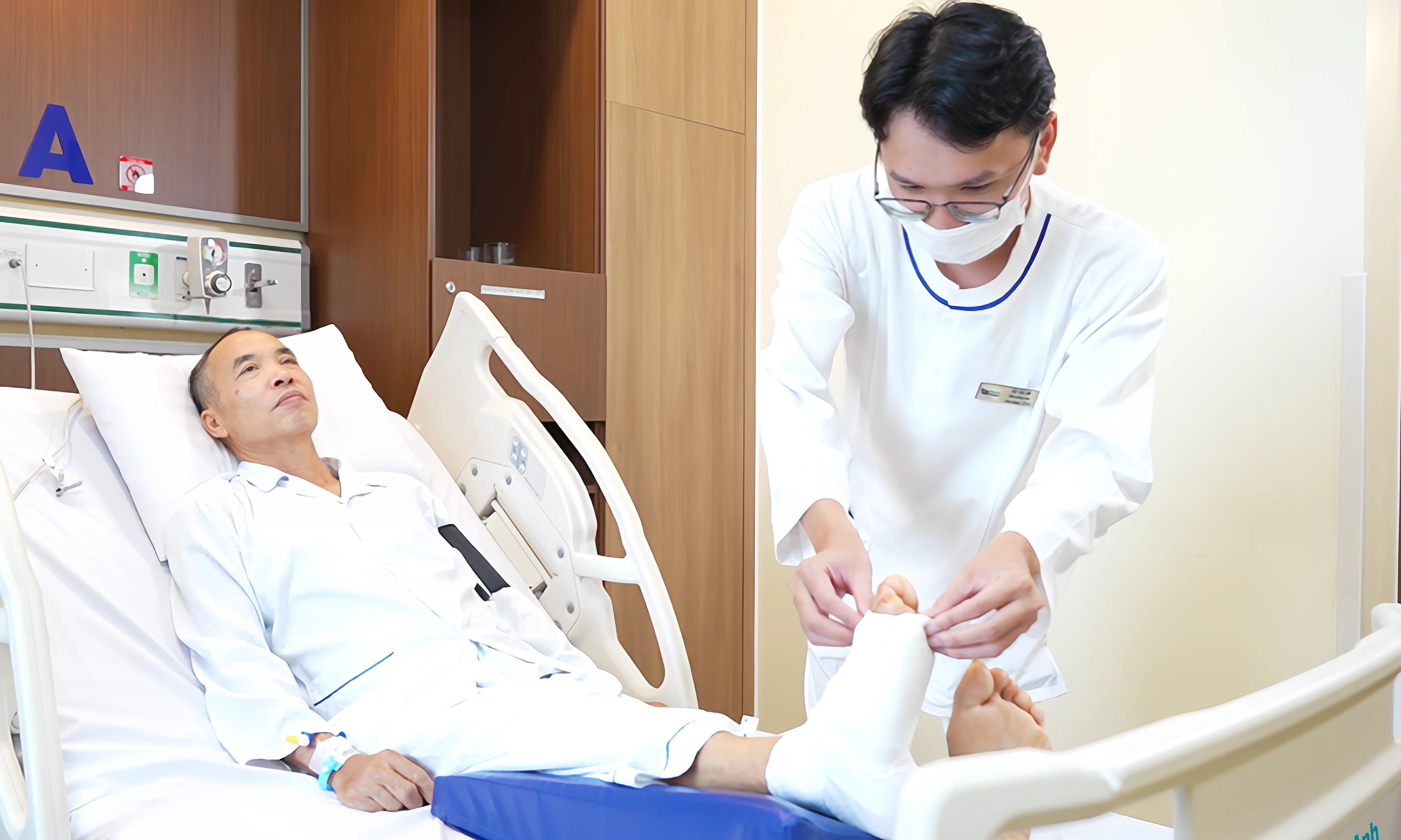
By week 33, she sustained an injury to her left ankle, but only sought medical attention when the swelling and redness spread to the top of her foot. Doctors identified a foreign object in the subcutaneous tissue causing pus discharge. They then used specialized instruments to remove the object, sutured the wound, and instructed her on hygiene and medication to control the infection.
However, gestational diabetes managed with insulin posed a risk factor for delayed wound healing due to reduced immunity, which created a favorable environment for bacterial growth. Consequently, the foot injury progressed into an infection after one week, potentially leading to tissue necrosis or sepsis if not treated promptly.
Doctor Long explained that the infection, combined with lower limb venous insufficiency, caused blood circulation stagnation in the leg, increasing the risk of edema. Acute inflammatory response, venous stasis in the leg, and the natural hypercoagulable state during the third trimester of pregnancy increased the likelihood of lower limb deep vein thrombosis, which could lead to the most dangerous complication: pulmonary embolism. Furthermore, if the infection progressed, it could stimulate uterine contractions, potentially causing preterm birth or exacerbating the mother's congenital heart condition.
Doctors performed debridement of the infected tissue and administered appropriate antibiotic treatment for Ms. Tam. Concurrently, they advised her to elevate her legs while sleeping and wear compression stockings to prevent blood clot formation in her legs.
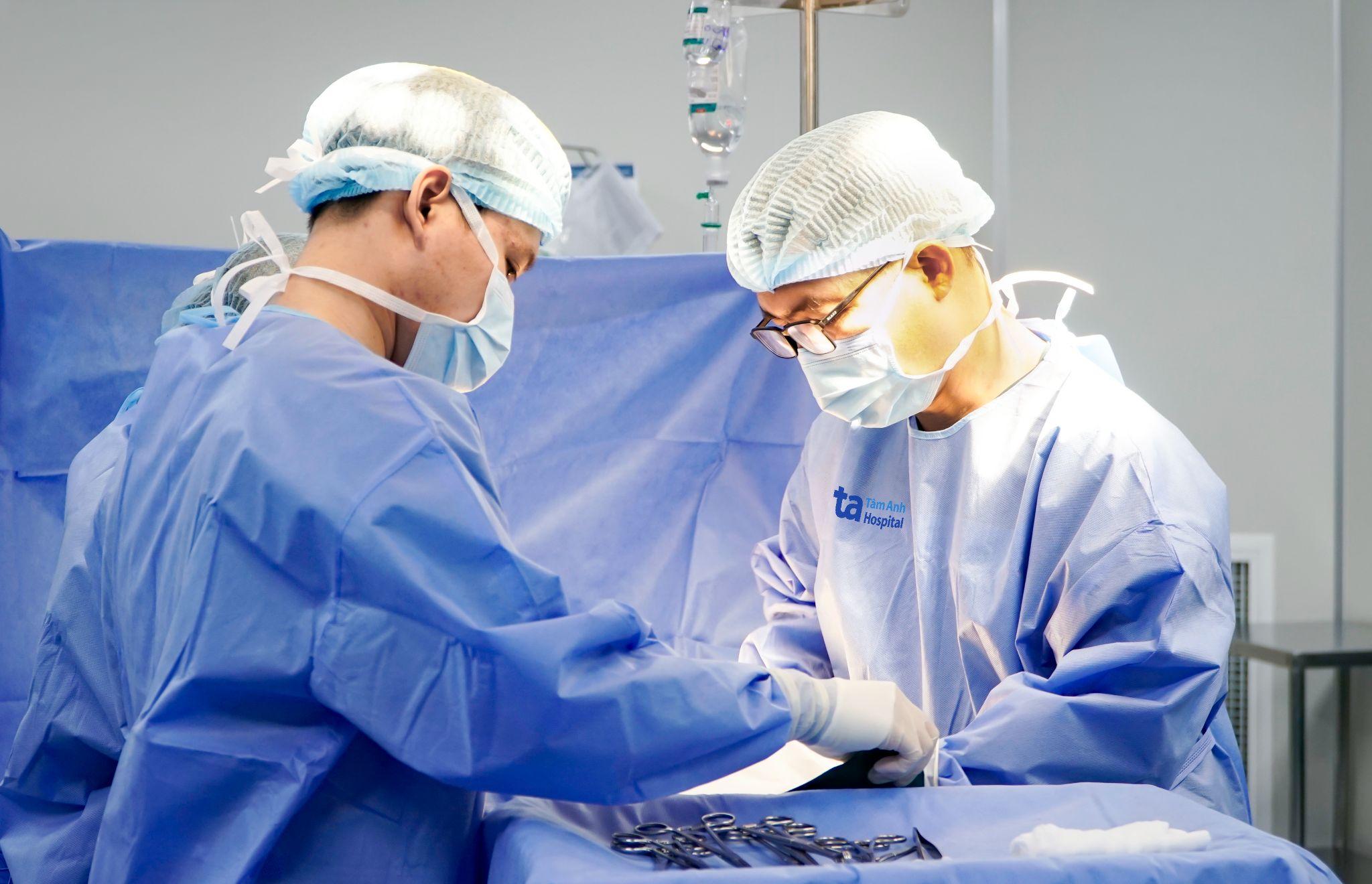 |
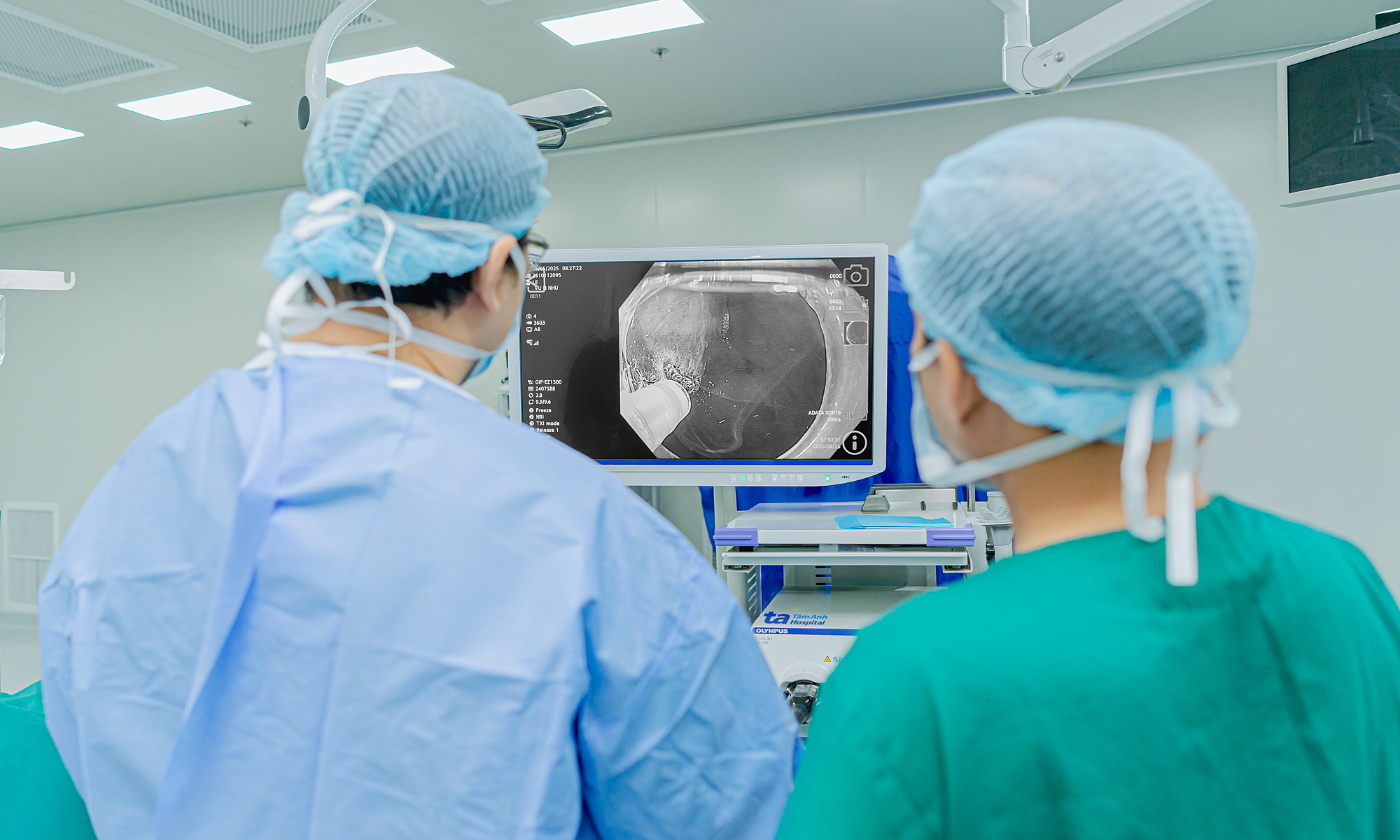
Obstetric team performing a cesarean section for the pregnant woman. Photo: Tam Anh General Hospital
A team of orthopedic, endocrinology, cardiology, and fetal medicine doctors closely monitored the mother's health progression to ensure appropriate and safe management. Meanwhile, the fetus, smaller than its gestational age, underwent regular Doppler ultrasound for growth chart assessment, with no abnormalities noted.
At week 37, Doctor Long diagnosed the fetus as nearly respiratory mature, making an elective cesarean section feasible to ensure the safety of both mother and baby. The baby girl was born weighing 2,6 kg, with all indicators good. The mother was monitored for 48 hours postpartum, and her health gradually recovered. She was scheduled for follow-up appointments and continued treatment for her underlying conditions.
Doctor Long recommended that all pregnant women attend scheduled prenatal appointments, and those in high-risk groups should receive care at medical facilities with comprehensive specialist coordination to effectively manage maternal and fetal health, detect abnormalities early, and ensure appropriate treatment. Should symptoms such as: fever, headache, shortness of breath, or sudden leg swelling and pain arise, pregnant women should seek immediate medical attention for timely examination and treatment, thereby minimizing complications for both mother and baby.
Ngoc Chau
* The pregnant woman's name has been changed.
| Readers can submit questions about obstetrics and gynecology here for doctors to answer. |