Morning commutes by car to the office, eight hours in front of a computer, quick lunches at their desks, continuous afternoon meetings, and then evening gatherings at drinking tables. After some time, many men over 40 years old begin to feel fatigued, notice an increase in their waist circumference, sleep poorly, experience reduced libido, and sometimes face erectile dysfunction.
According to doctor Tra Anh Duy, a specialist doctor level 2 at Men's Health, he playfully refers to this condition as "rotating chair syndrome". This is not a medical diagnosis but a term to describe a lifestyle where a significant portion of the day revolves around sitting, with physical activity becoming increasingly minimal.
Doctor Duy suggests that it is an oversimplification to believe that prolonged sitting directly causes blood to "pool" in the pelvic area, leading to sexual dysfunction. A prolonged sedentary lifestyle is often associated with weight gain, abdominal obesity, blood sugar disorders, high blood pressure, dyslipidemia, and impaired vascular health. Erectile function, in particular, heavily relies on healthy vascular function.
A study by Furukawa and colleagues on Japanese men with type 2 diabetes noted that longer sitting times were linked to a higher incidence of erectile dysfunction. However, as this was an observational study, it could not definitively confirm that sitting directly causes erectile dysfunction.
Regarding the prostate, there is no evidence to suggest that sitting in an office for eight hours directly causes inflammation or enlargement. A 2020 study showed that men who were more physically active and spent less time sedentary had a lower risk of lower urinary tract symptoms. Therefore, nocturia, difficulty urinating, or a decline in "performance" in inactive individuals should not be automatically attributed solely to age.
The drinking table factor
A study involving 1,221 young Danish men observed that higher regular alcohol consumption correlated with a tendency for decreased sperm concentration, total sperm count, and the percentage of normally shaped sperm. In the group consuming over 40 units of alcohol per week, sperm concentration was about 33% lower compared to the group that consumed one to five units.
This does not mean that one glass of beer will immediately impair sperm quality. The impact of alcohol depends on the amount consumed, drinking patterns, and various other factors. However, for men hoping to conceive, frequent drinking sessions are a habit that should be limited.
Drinking tables often come with high-energy, high-fat foods, late-night eating, and then immediate sleep. Over time, this leads to an increased waistline and reduced muscle mass. Abdominal obesity and metabolic disorders are closely linked to low testosterone levels in men.
According to doctor Duy, the European Association of Urology guidelines emphasize that weight loss and lifestyle changes are the first steps for hypogonadal men who are overweight or obese. Instead of focusing solely on oysters, red meat, or "energy-boosting" products, men need to control their weight, exercise, and get sufficient sleep.
 |
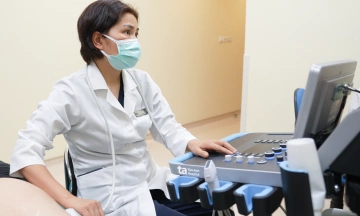
Doctor Duy consults a patient. Photo: Lam Anh |
Don't blame everything on "andropause"
After the age of 40, when men feel more tired, experience reduced libido, poorer erections, or increased abdominal fat, many immediately think of "andropause". However, testosterone levels in men do not suddenly drop at a specific age, and not all men over 40 have low testosterone.
The European Male Ageing Study, which included 3,369 men aged 40-79, showed that the symptoms most strongly associated with low testosterone were reduced libido, decreased morning erections, and erectile dysfunction. Fatigue and reduced energy can also occur but are not specific, as they can also be linked to stress, lack of sleep, depression, and metabolic diseases.
Therefore, doctors advise men experiencing a "decline in performance" not to self-medicate with testosterone or male hormone-boosting products. A diagnosis of hypogonadism requires appropriate symptoms and a confirmed low testosterone test result, following the correct procedure, rather than simply relying on age.
The European Association of Urology guidelines do not recommend testosterone therapy for men with normal hormone levels and note that exogenous testosterone should not be used to improve fertility in men who still wish to have children.
According to doctor Duy, the real concern with "rotating chair syndrome" is not the chair itself but the prolonged sedentary lifestyle it represents. Office men should regularly stand up and move around, exercise, control their waist circumference, limit alcohol, and get enough sleep. If erectile dysfunction, reduced libido, or persistent urinary symptoms occur, they should seek medical examination instead of self-treating.
Le Phuong