 |
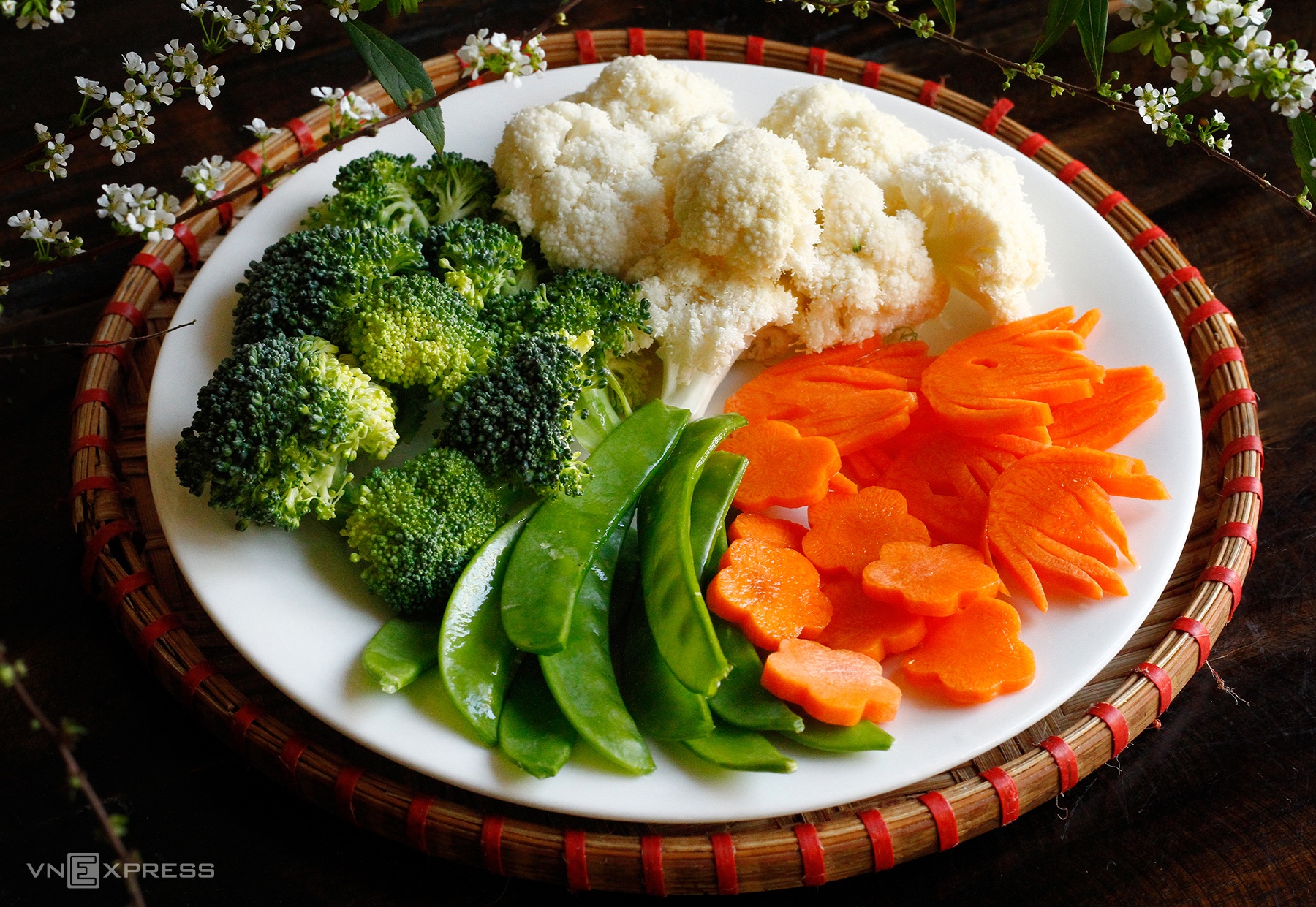
Green vegetables, such as broccoli and spinach, offer fiber and beneficial plant compounds. Fiber serves as nourishment for gut bacteria, contributing to a healthy microbiome. These vegetables also contain antioxidants and anti-inflammatory properties, which can help protect the liver from inflammation-induced damage. To maximize their nutritional benefits, prepare these vegetables by boiling, steaming, or making soup, limiting cooking methods that use excessive oil and salt.
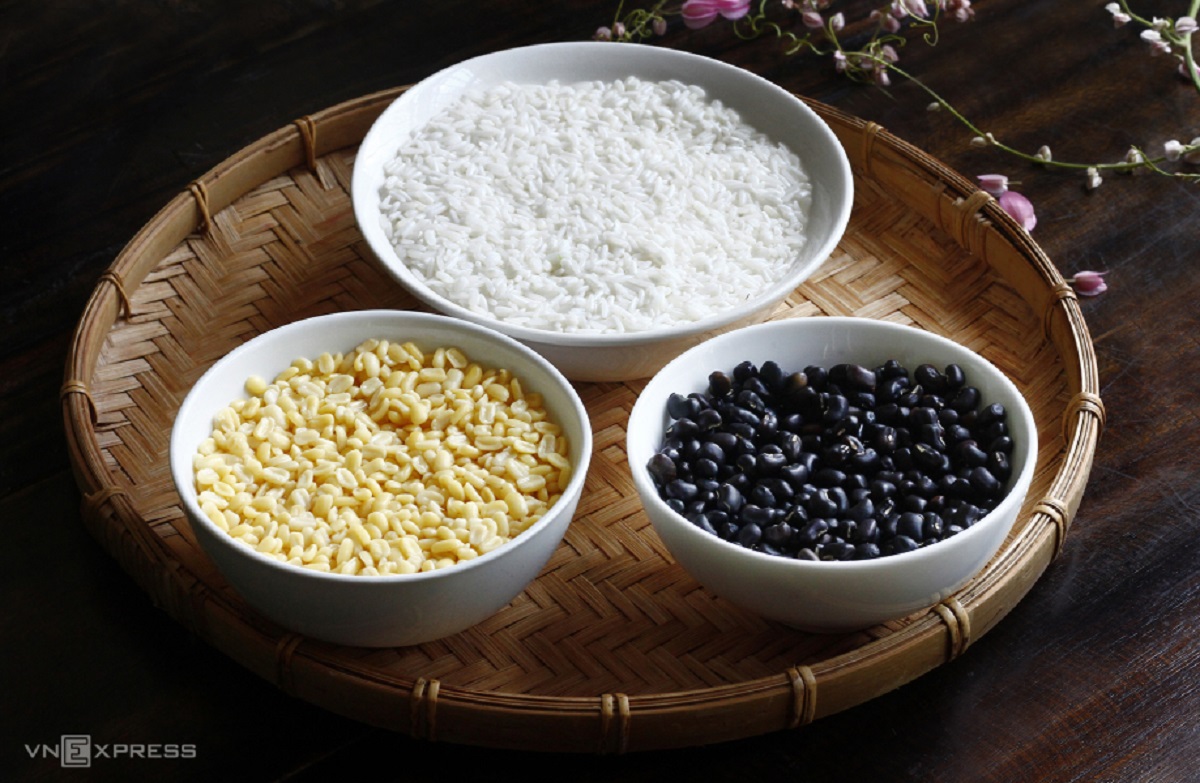 |
Legumes, including black beans, red beans, green beans, and soybeans, are rich sources of dietary fiber and plant protein. They also contain various plant compounds. Gut bacteria utilize the fiber in legumes to produce beneficial metabolites. According to Health, fiber-rich foods like legumes can contribute to a liver-healthy diet by limiting fat accumulation in the liver and reducing the risk of liver cancer.
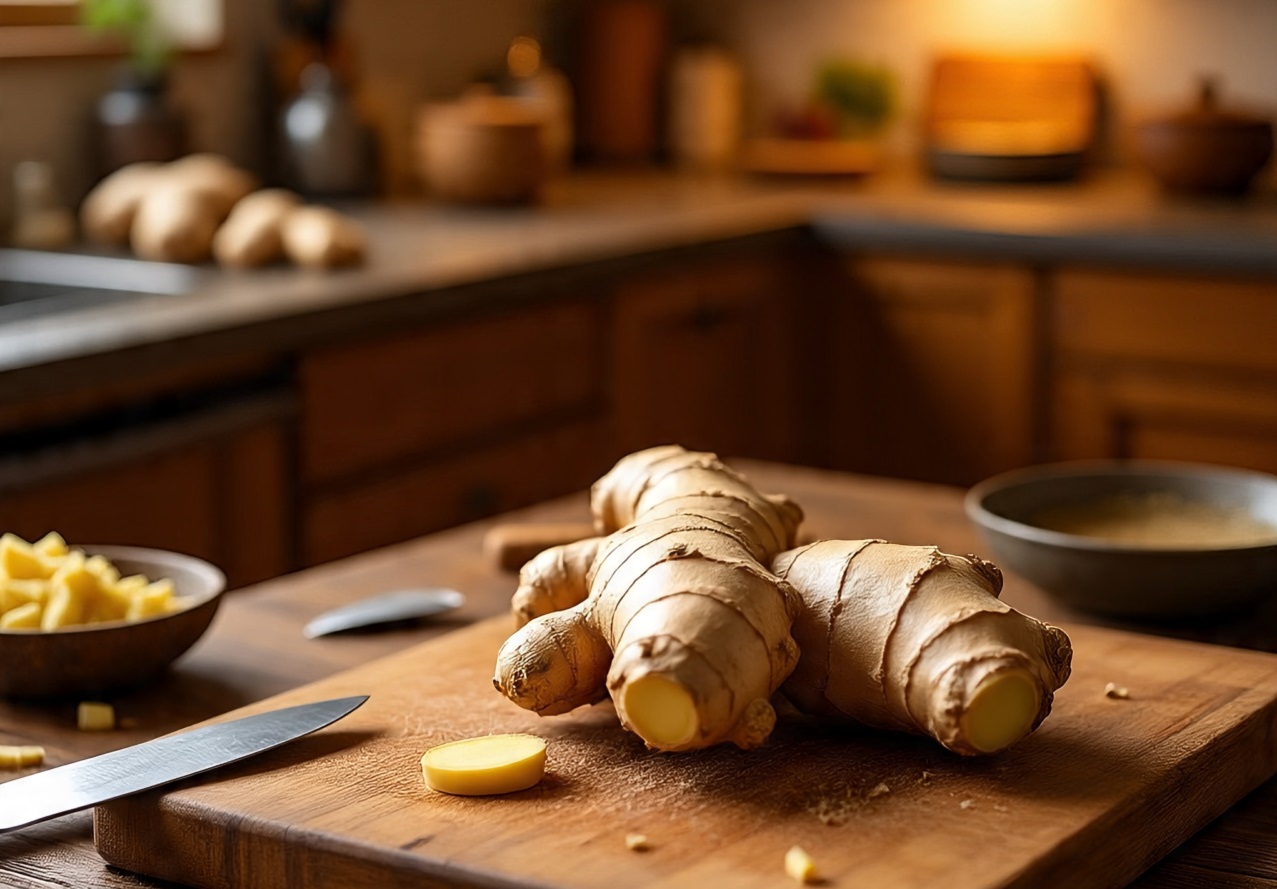 |
Ginger contains compounds like gingerol and shogaol, which possess anti-inflammatory and antioxidant properties, potentially supporting liver health. Studies indicate ginger benefits the digestive system, helping to reduce bloating, nausea, and gut discomfort. Add peeled ginger to tea or smoothies for enhanced flavor and easier consumption.
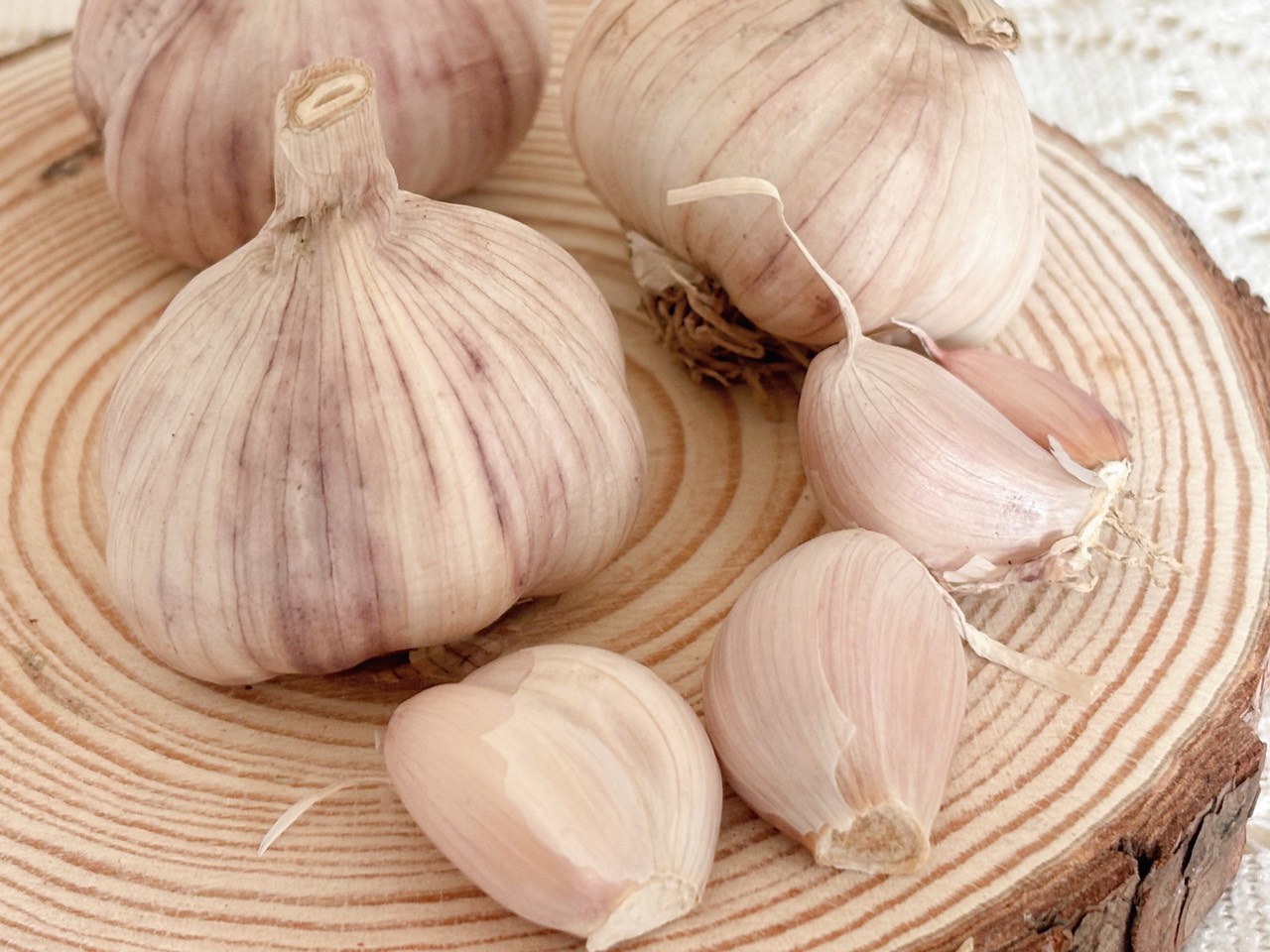 |
Garlic provides antioxidant and anti-inflammatory compounds that can support liver health. Healthline notes it is also a rich source of prebiotics, particularly inulin, which nourishes beneficial gut bacteria and helps maintain a healthy microbiome.
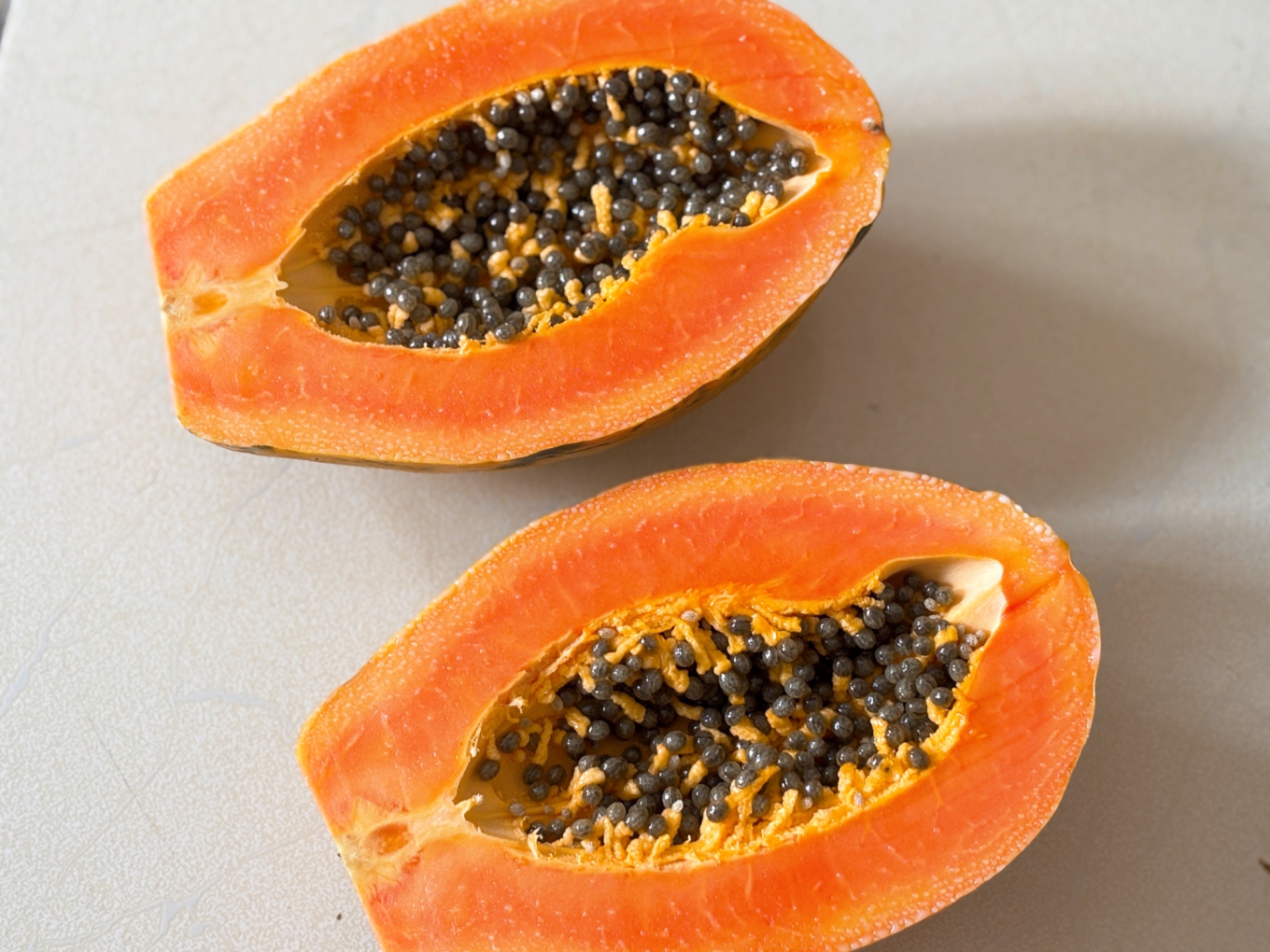 |
Papaya offers fiber and the enzyme papain, which can aid digestion. Antioxidants such as carotenoids and lycopene in papaya help the body combat free radicals and oxidative stress, thereby reducing liver damage.
Bao Bao (compiled by)
Photos: Bui Thuy, Bao Bao, AI