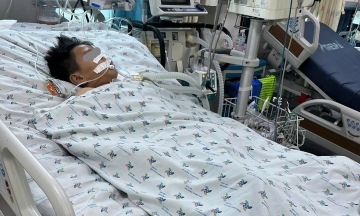
The baby initially underwent surgery for necrotizing enterocolitis at another hospital before being transferred to Tam Anh General Hospital TP HCM. According to doctor Nguyen Minh Thanh Giang, from the Neonatal Center, upon admission, the infant was pale, fed poorly, and had a distended abdomen. An ultrasound revealed significant fluid in the abdominal cavity and absent bowel contractions, indicating paralytic ileus.
Following surgery, fibrous, scar-like tissues can form, inadvertently causing the baby's intestinal loops to adhere tightly to each other or to the abdominal wall. In newborns, intestinal adhesion can lead to partial or complete bowel obstruction, preventing the passage of food and digestive fluids.
Initially, the medical team kept the baby nil per os (NPO), providing intravenous nutrition and blood transfusions due to anemia. However, the baby's condition worsened, with continuous episodes of apnea, cyanosis, severe abdominal distension, and respiratory failure, necessitating emergency intubation and mechanical ventilation. The team quickly investigated and identified septic shock originating from the gastrointestinal tract. When the bowel is paralyzed and fluid accumulates for an extended period, harmful bacteria proliferate, penetrate the bowel wall, and enter the bloodstream, causing systemic infection.
Doctor Pham Le My Hanh, Head of the Neonatal Department at the Neonatal Center, Tam Anh General Hospital TP HCM, stated that septic shock in newborns can rapidly lead to circulatory failure, coagulopathy, and multi-organ failure, resulting in death if not controlled promptly.
Doctors administered broad-spectrum antibiotics and provided intensive resuscitation to maintain the baby's blood pressure, hemodynamics, and respiration. The team performed abdominal drainage to remove infected fluid, thereby reducing abdominal pressure and limiting further toxin absorption into the blood.
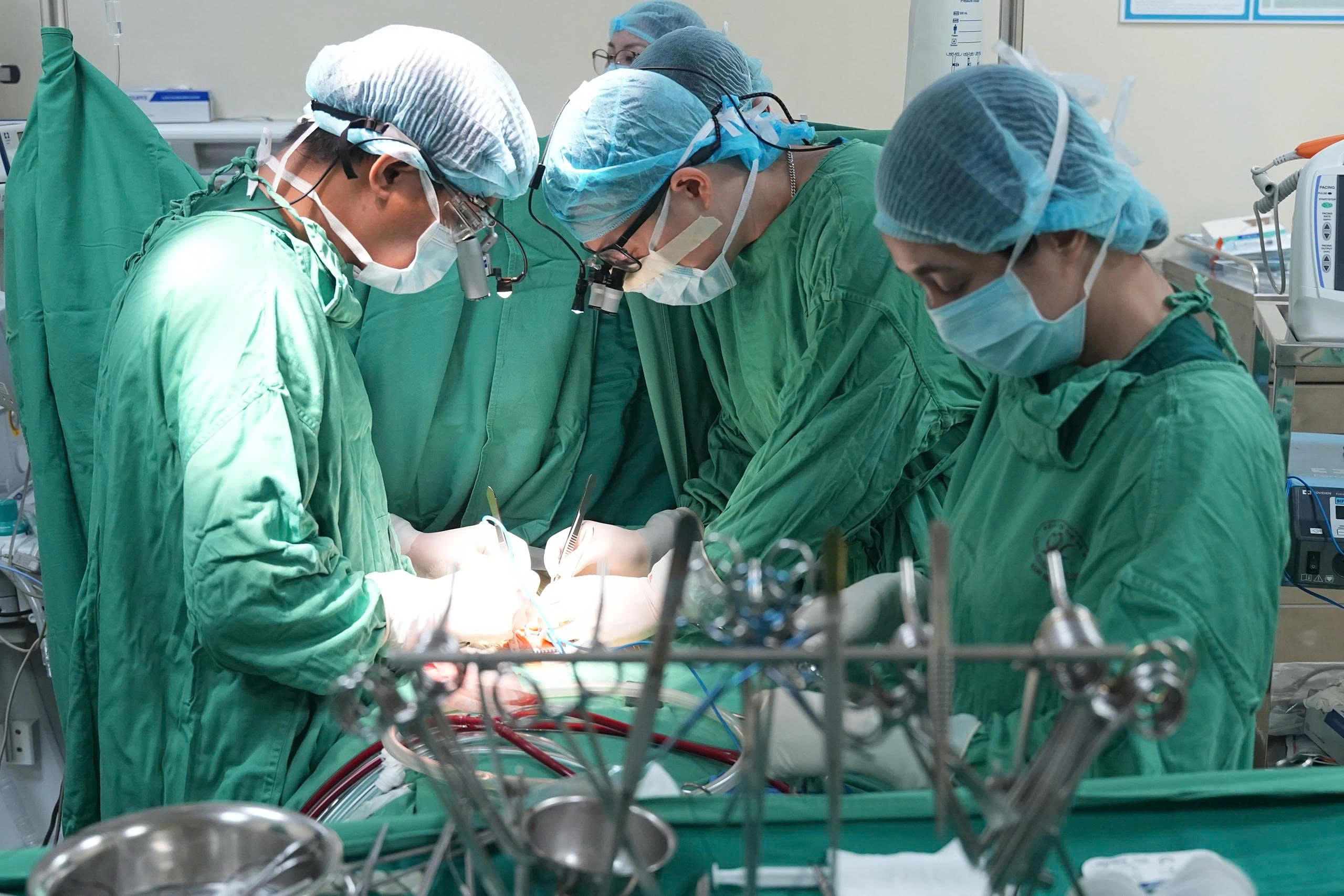
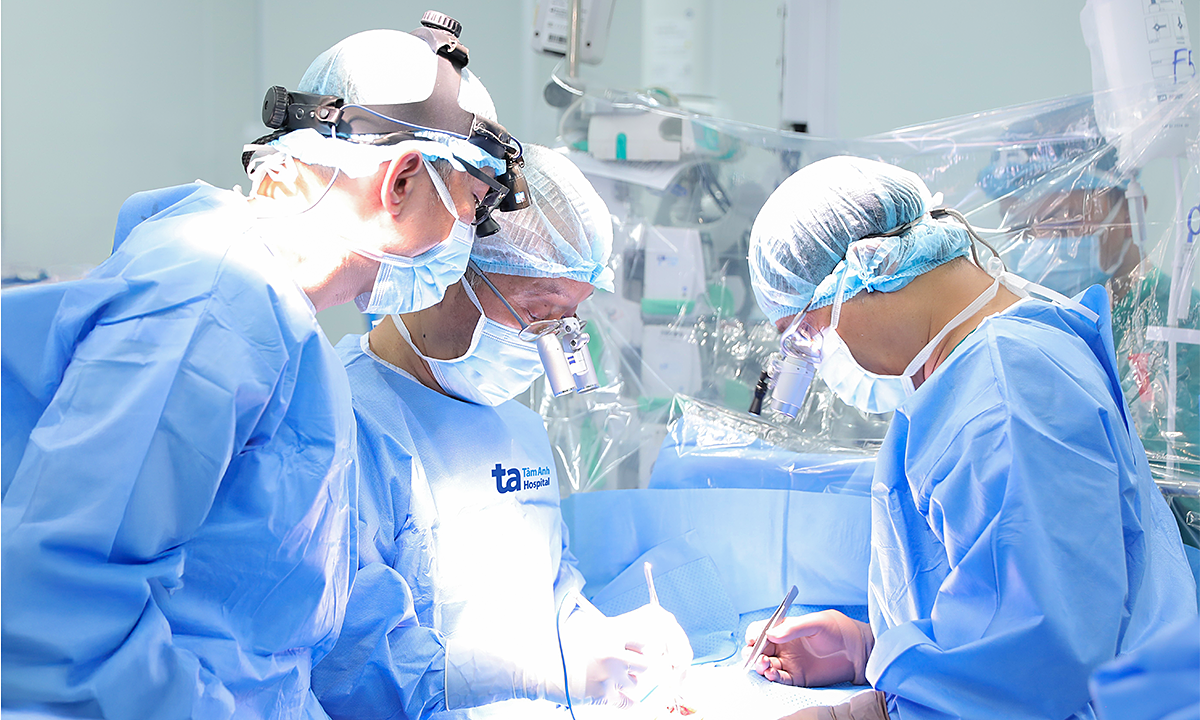
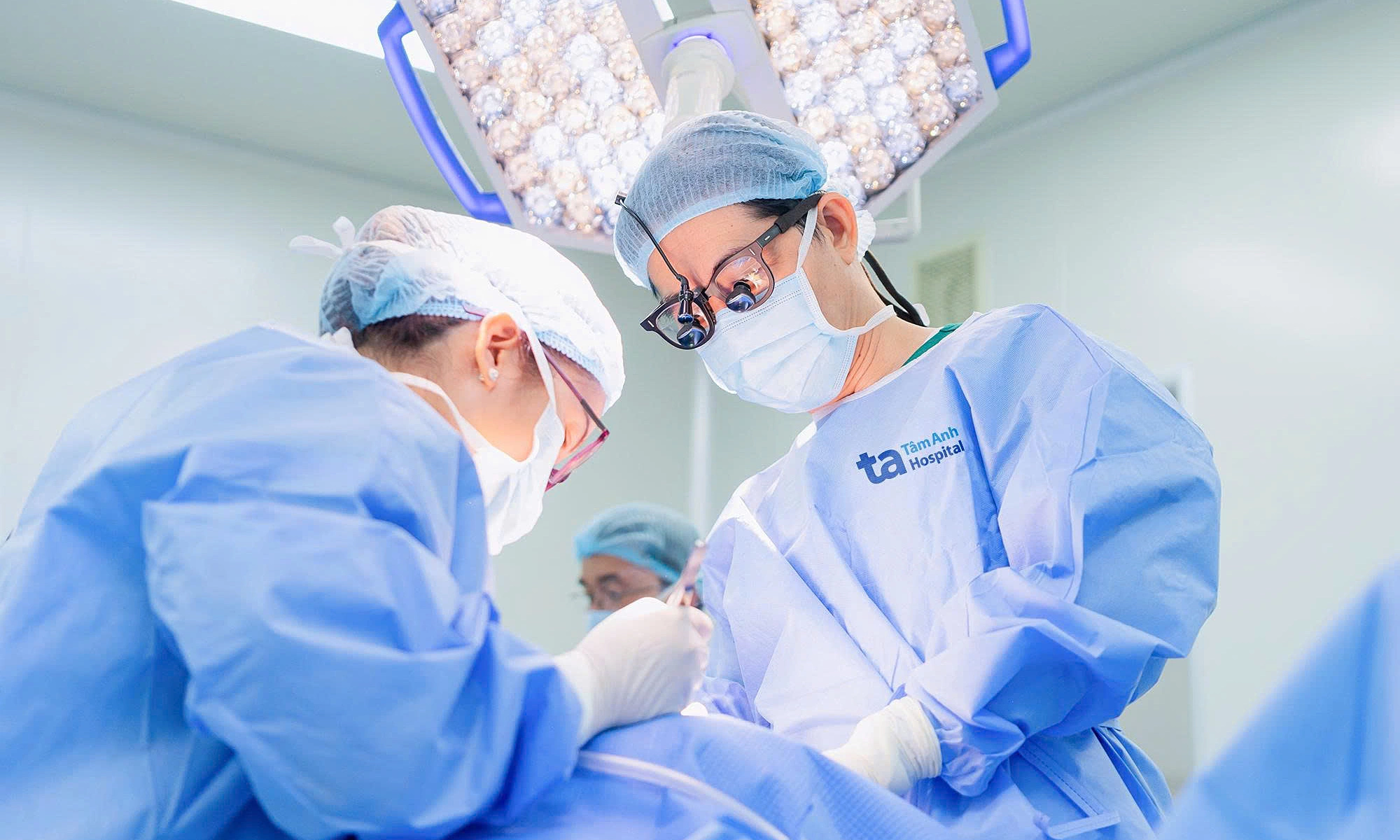
Once the baby's hemodynamic status stabilized, the pediatric surgery team performed an operation to separate all adherent intestinal loops, release the obstructed bowel segment, clean the abdominal cavity, and remove accumulated fluid around the bowel. Post-surgery, the baby continued to receive intensive care, and doctors escalated antibiotic regimens to combat multi-drug resistant bacteria.
After five days, the baby's condition gradually stabilized, and the endotracheal tube was removed. As bowel motility returned, nurses began feeding the baby very small amounts of milk to stimulate bowel contractions and prevent recurrent adhesions. One month later, the baby gained weight, reaching 2,3 kg, was fully breastfed, breathed independently, and was discharged from the hospital.
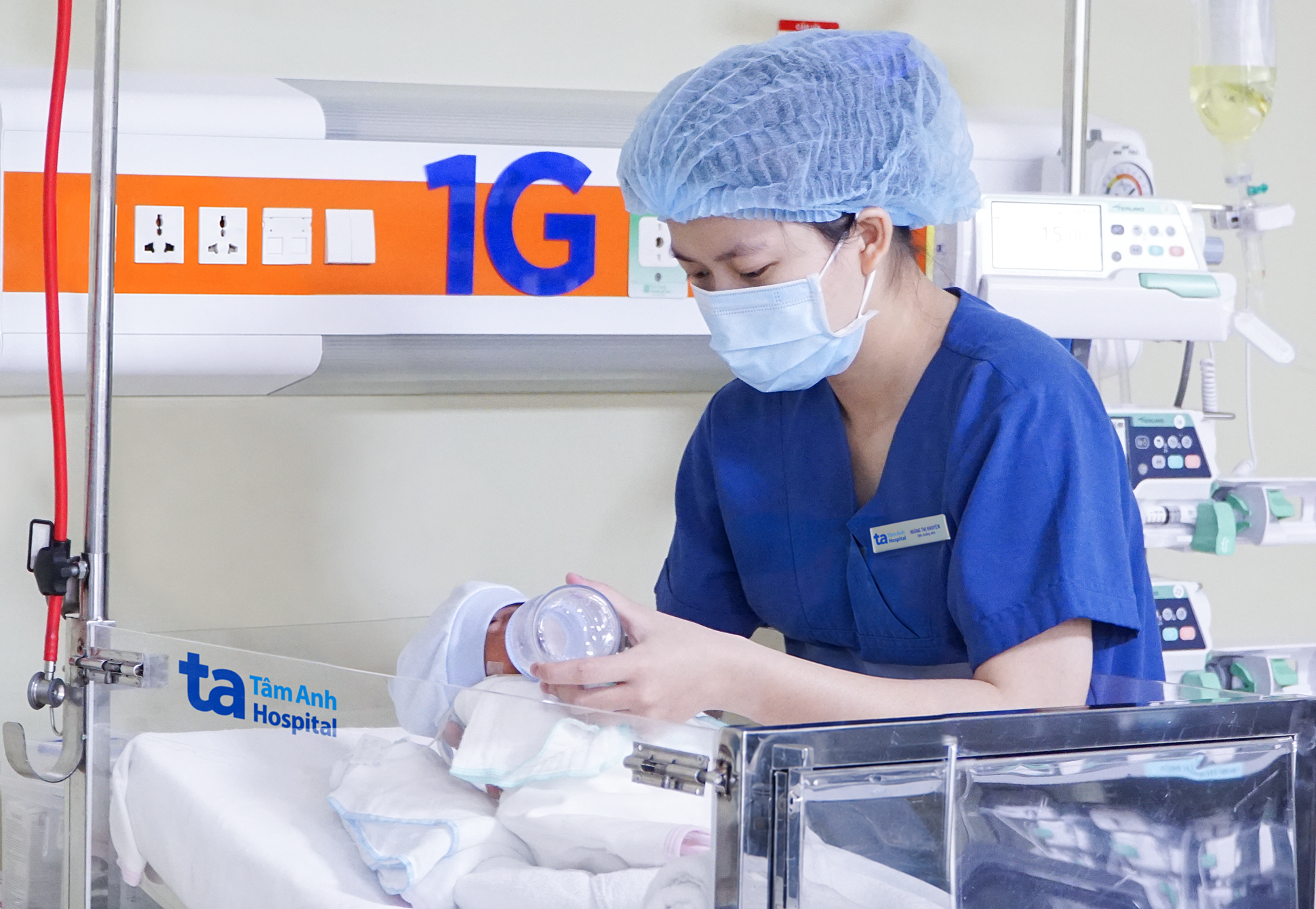 |
Nurses assisting the baby with feeding practice at the Neonatal Intensive Care Unit (NICU). *Photo: Tam Anh General Hospital* |
Newborns with a history of abdominal surgery related to gastrointestinal malformations or congenital abdominal wall defects are at risk of developing post-operative intestinal adhesions due to peritonitis or infection. To prevent this condition, children require care that minimizes peritoneal injury, controls infection, and ensures early detection of bowel dysfunction.
According to doctor Hanh, in cases where an infant suffers septic shock due to post-operative intestinal adhesion complications, the top priority is to stabilize hemodynamics, control the source of infection, combine drainage to decompress the abdomen, and assess mechanical obstruction. Depending on the child's condition and the severity of the illness, doctors may perform surgery to separate the intestinal adhesions.
Following abdominal surgery, if a child exhibits symptoms such as bile-stained vomiting, progressive abdominal distension, absence of bowel movements or gas, or feeding intolerance, parents should immediately take the child to the hospital for prompt diagnosis and intervention.
Ngoc Chau
| Readers can submit questions about children's diseases here to receive answers from doctors. |