Doctor Kieu Quoc Thanh, acting head of the Infectious Diseases Department at City Children's Hospital, reported that a 16-year-old male student from Vinh Long was transferred to TP HCM in early may in a severe condition. Before admission, he complained of fatigue after school, followed by fever, vomiting, and headache.
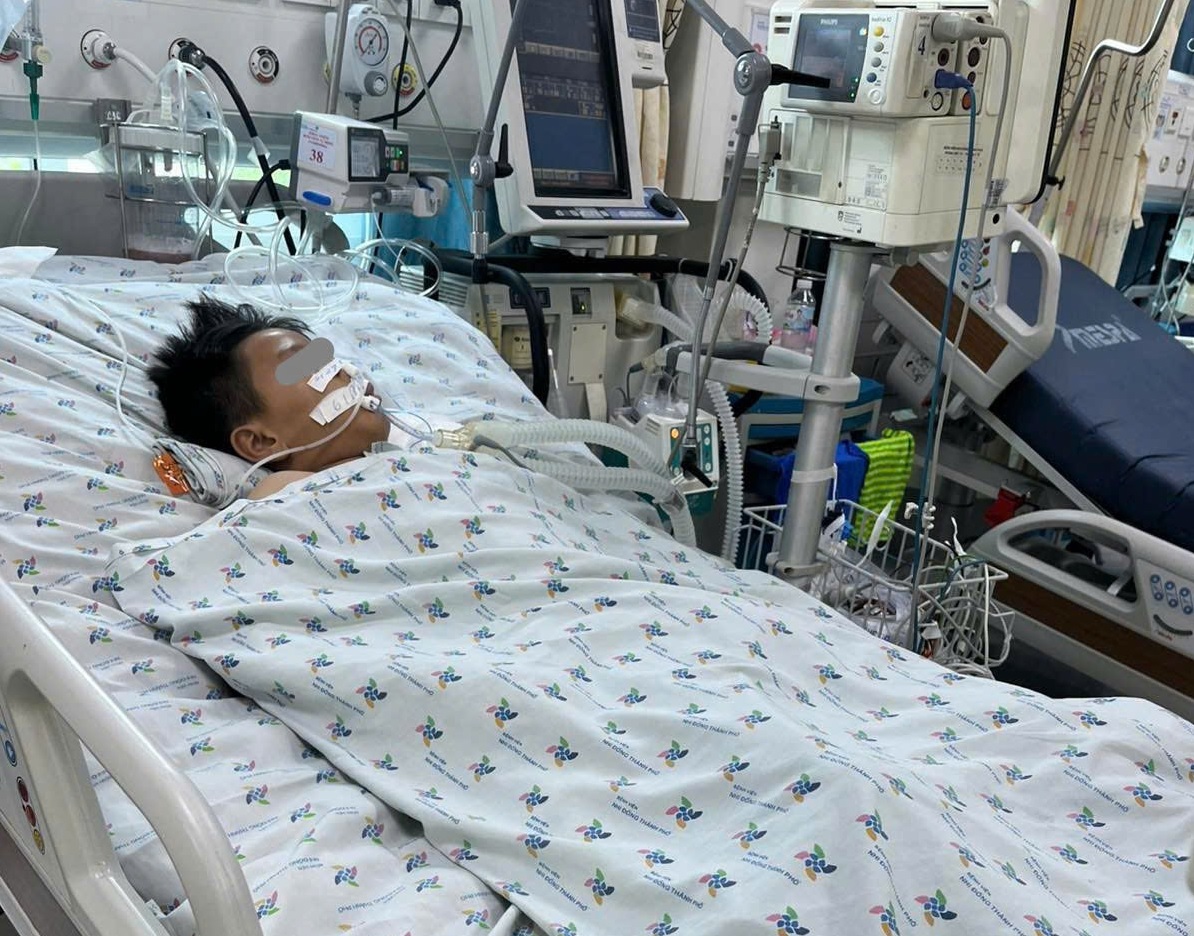 |
Ca benh viem nao Nhat Ban nang dang dieu tri tai Benh vien Nhi dong Thanh pho. Anh: Benh vien cung cap
According to hospital information, on the first day of illness, the family took the child to a private doctor near their home. He was diagnosed with dengue fever and treated as an outpatient. The next day, the patient still had a fever and headache, leading to admission at a local medical facility. By the third day, the child experienced severe headache, dizziness, and incoherent speech during fever. The hospital intubated him to support breathing.
After admission to the higher-level hospital, the patient tested positive for japanese encephalitis via ELISA. Previously, the male student was healthy, with vaccinations up to about 3 years old, but no record of booster shots for japanese encephalitis vaccine.
Another patient is a 10-year-old boy from Ca Mau. On the first day, the child had a fever of 41 degrees Celsius, which responded to antipyretics. The next day, he continued to have a fever, headache, and sore throat, and was diagnosed with tonsillitis. By the third day, the child experienced seizures at home during fever, headache, decreased consciousness, and poor eating. He was diagnosed with meningitis at Bac Lieu Hospital and transferred to TP HCM. The boy's ELISA result was positive for the japanese encephalitis virus. A brain MRI suggested meningitis, showing bilateral thalamic and cortical lesions. The child's japanese encephalitis vaccine history is unclear.
Both patients underwent tracheostomy after becoming dependent on mechanical ventilation. From the beginning of this year, City Children's Hospital has recorded 7 cases of japanese encephalitis. This includes two cases from Cambodia who have been discharged, two other cases who died, one case discharged with consciousness disorders, and two severe cases currently undergoing treatment.
Doctor Thanh noted that these cases are significant because they occurred in older children, a group whose vaccination schedules are often not closely monitored. Japanese encephalitis is an acute viral infection that attacks the central nervous system, transmitted by Culex mosquitoes. The disease often begins with fever, headache, and vomiting, and can quickly progress to seizures, consciousness disorders, and coma. Initial symptoms are often non-specific and easily mistaken for viral fever or other acute infections.
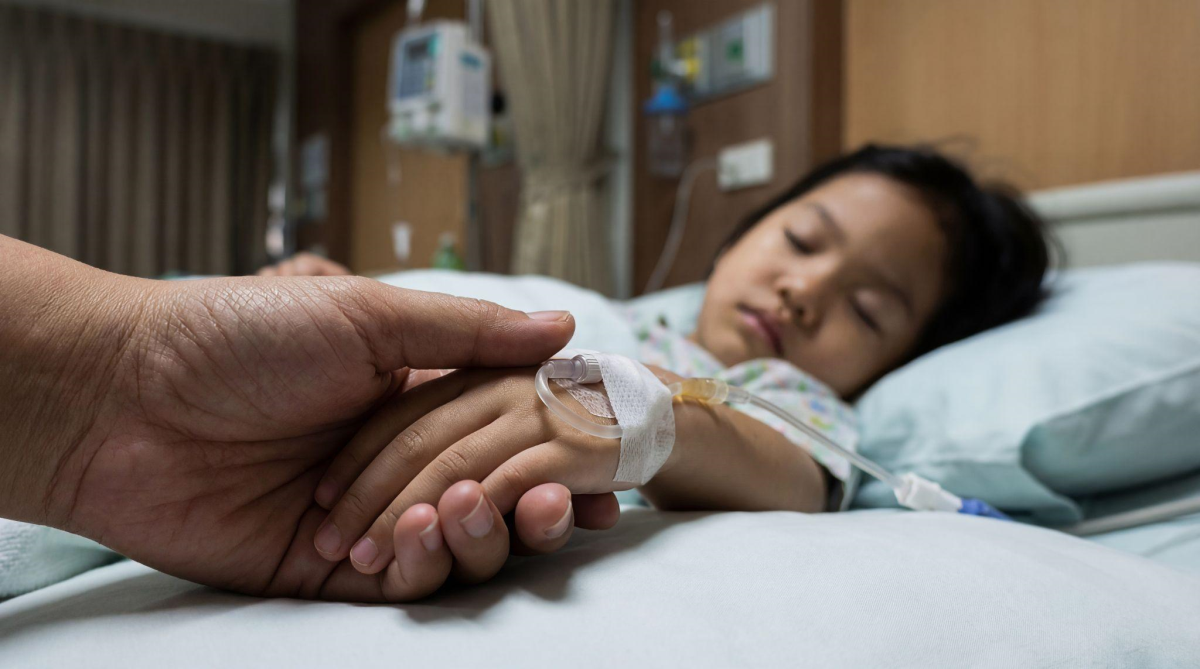 |
Viem nao Nhat Ban co the dien tien nhanh voi sot, co giat, hon me. Anh minh hoa: Vecteezy
When fever, seizures, or coma appear, the disease is typically severe. Treatment primarily involves resuscitation, respiratory support, seizure control, and limiting progressive neurological damage. Some cases survive the critical period but are left with long-term motor and cognitive sequelae, persistent seizures, or require prolonged care.
Older children are not immune to japanese encephalitis. The risk increases when children miss booster doses, and immunity declines over time, especially as they often study, play, and engage in outdoor activities. The rainy season also provides favorable conditions for disease-transmitting mosquitoes to thrive.
Doctor Thanh recommends a combination of mosquito bite prevention and timely, complete japanese encephalitis vaccination, including booster shots. Parents should review vaccination records, particularly for children who are already in school or whose vaccination schedules are no longer regularly monitored.
For inactivated vaccines in the expanded immunization program, children need three basic doses, followed by regular booster shots as recommended to maintain protective immunity. For live attenuated recombinant vaccines, children can be vaccinated from 9 months of age, with a booster shot approximately 12 months after the first dose. If vaccination records are lost or parents only remember that the child "has been vaccinated," they should take their child to a vaccination facility for record lookup, counseling, and catch-up or booster vaccinations if necessary.
 |
Neu khong nho tre da tiem du hay chua, phu huynh nen dua tre den co so tiem chung de duoc tu van. Anh: Vecteezy
To reduce the risk of mosquito bites, people should ensure children sleep under mosquito nets, wear long clothing when in mosquito-prone areas, clear stagnant water, unblock drains, clear overgrown bushes, clean animal pens, and separate livestock areas from living spaces.
If a child develops a high fever, severe headache, vomiting, drowsiness, seizures, or altered consciousness, families must seek medical attention early and avoid prolonged self-treatment at home.
Que Minh
This material is intended for public awareness regarding japanese encephalitis. The content has been reviewed by City Children's Hospital for accuracy and scientific validity. It is for informational purposes only and does not substitute for medical advice. Parents should contact a medical facility for guidance on appropriate vaccination schedules for their children.
City Children's Hospital does not engage in any promotional activities, sponsorships, or endorsements of products, services, or brands that may be mentioned in this material.