Folate, a naturally occurring form of vitamin B9 found in foods, and folic acid, a synthetic form often present in supplements and fortified foods, are essential nutrients. They are crucial for new cell formation, blood production, and DNA synthesis, especially during the early stages of fetal development. Women should ensure adequate folate intake from their diet before pregnancy to reduce the risk of neural tube defects in the fetus, according to nutritionist Nguyen Thi Quynh from the Department of Nutrition, Tam Anh General Hospital, Hanoi.
Dark green leafy vegetables
Dark green leafy vegetables such as spinach, mustard greens, kale, and broccoli are rich in natural folate. This food group also provides fiber, vitamin C, vitamin K, magnesium, and antioxidants.
Women preparing for pregnancy should include these vegetables in their meals. Prioritize boiling, steaming, or quick stir-frying with minimal oil to limit vitamin loss. Those who consume few vegetables should gradually increase their intake to avoid sudden excessive consumption that can cause bloating and indigestion.
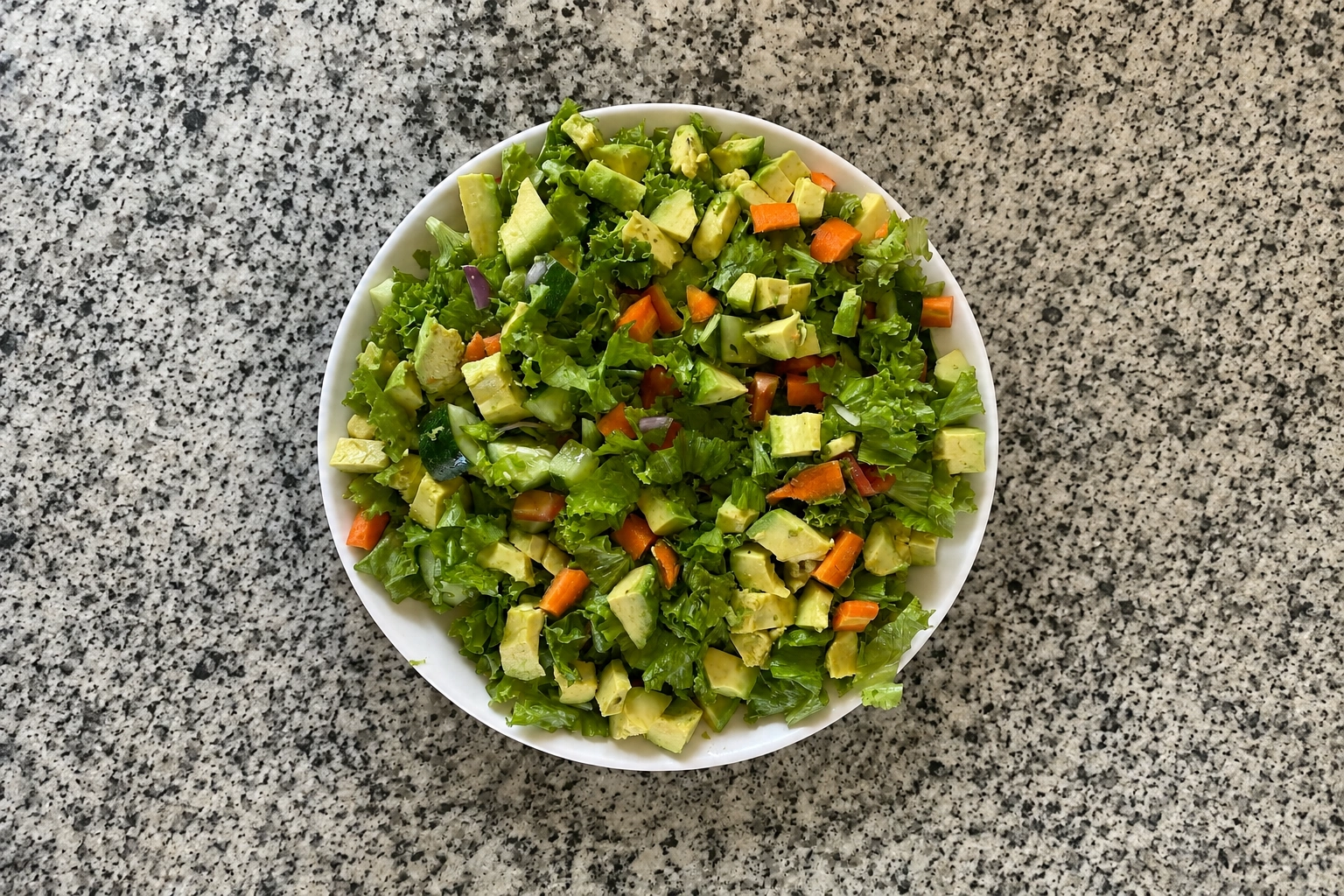 |
Avocado and vegetable salad is a folate-rich dish. *Photo: Van Anh* |
Legumes
Lentils, peas, black beans, red beans, soybeans, and mung beans contain folate, plant protein, fiber, iron, and magnesium. This food group is suitable for meal variety, especially for individuals who eat less meat or wish to increase their plant protein sources.
You can prepare legumes as porridge, soup, salad, low-sugar sweet soup, not-too-sweet soy milk, or combine them with rice and other grains. However, individuals prone to bloating should soak beans, cook them thoroughly, and consume them in moderation. High-sugar bean sweet soups with coconut milk should not be consumed regularly as they can easily lead to excess energy intake.
Fruits
Oranges, tangerines, grapefruits, strawberries, kiwis, and avocados provide folate, vitamin C, and antioxidants. Vitamin C enhances iron absorption from plant-based foods like green vegetables, legumes, and grains.
Nutritionist Quynh recommends eating whole fruit segments or pieces instead of drinking excessive juice. Juice often contains less fiber than whole fruit and can lead to rapid absorption of natural sugars by the body.
Whole grains
Whole grains such as oats, brown rice, whole-wheat bread, and corn help supplement natural folate and many B vitamins. Some breakfast cereals or flours are fortified with folic acid. Consumers should read the ingredients on food labels.
Eggs
Eggs contain folate, are rich in choline, high-quality protein, and B vitamins. Choline plays a role in fetal brain and nervous system development. Women preparing for pregnancy can include eggs in a balanced diet, combining them with green vegetables, whole grains, and other proteins for varied meals.
Eggs should be thoroughly cooked; avoid raw or soft-boiled eggs. Individuals with dyslipidemia, cardiovascular disease, or those requiring special diets should consult a doctor about appropriate egg consumption.
Animal liver
Liver (pork liver, chicken liver, etc.) is rich in folate, iron, and vitamins B12 and A. Women preparing for pregnancy should eat it in moderation and not consume it frequently. Once pregnant, animal liver should be limited to avoid the risk of excess vitamin A, which can affect fetal development.
According to nutritionist Quynh, most women planning pregnancy are advised to supplement 400 mcg of folic acid daily, starting at least one month before conception and continuing through the first three months of pregnancy.
Couples planning pregnancy should undergo a pre-pregnancy health check-up to assess their nutritional status, underlying medical conditions, and reproductive history. High-risk women, such as those with a history of a child with a neural tube defect, chronic illnesses, or those using certain anti-seizure medications, may require a higher dose of folic acid. Do not combine multiple types of supplements simultaneously without medical advice.
Van Anh
| Readers can submit nutrition questions here for a doctor's response. |