Phenikaa University Hospital (PhenikaaMec) is developing a comprehensive care pathway, enabling families to proactively prevent genetic diseases and protect the health of future generations. This is achieved through the coordinated efforts of its Genetic Center, Fetal Medicine Center, and Stem Cell & Tissue Bank.
PhenikaaMec's unique approach lies not in offering individual services, but in its interdisciplinary coordination model, which creates a continuous care journey. This process begins with beta-thalassemia gene testing for both partners at the Genetic Center. Based on the test results, specialists provide genetic risk counseling and develop a suitable family planning strategy.
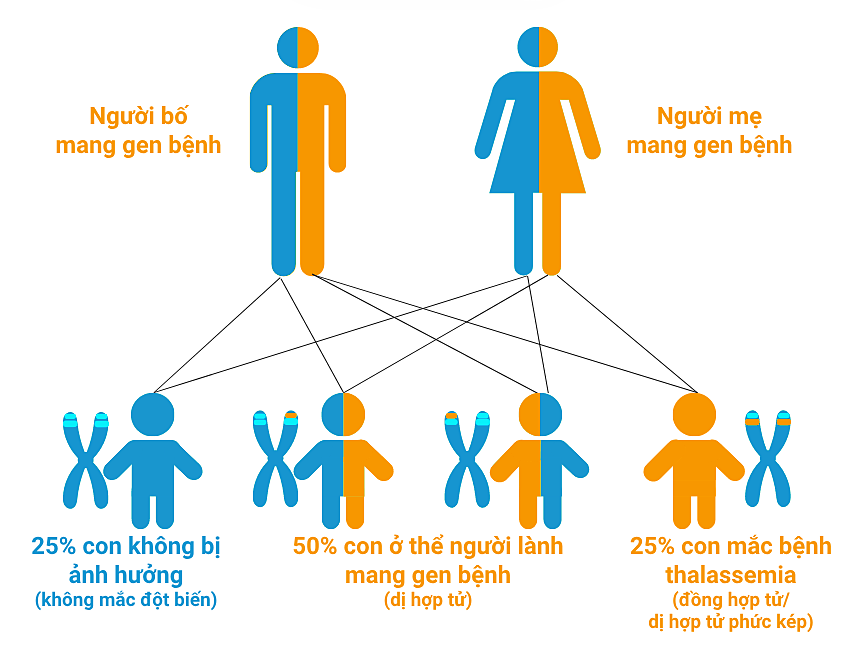 |
Mechanism of inherited hemolytic anemia. *Photo: PhenikaaMec* |
If only one parent carries the disease gene, families are still advised to store the baby's cord blood and tissue after birth as a valuable source of stem cells for the future. If both parents carry the gene, specialists from the Genetic Center collaborate with the Fetal Medicine Center to provide counseling on prenatal diagnosis or preimplantation genetic testing for monogenic disorders (PGT-M) for in vitro fertilization cases.
This interdisciplinary collaboration helps families not only detect risks early but also receive support throughout the entire journey, from preconception and pregnancy to after the baby's birth.
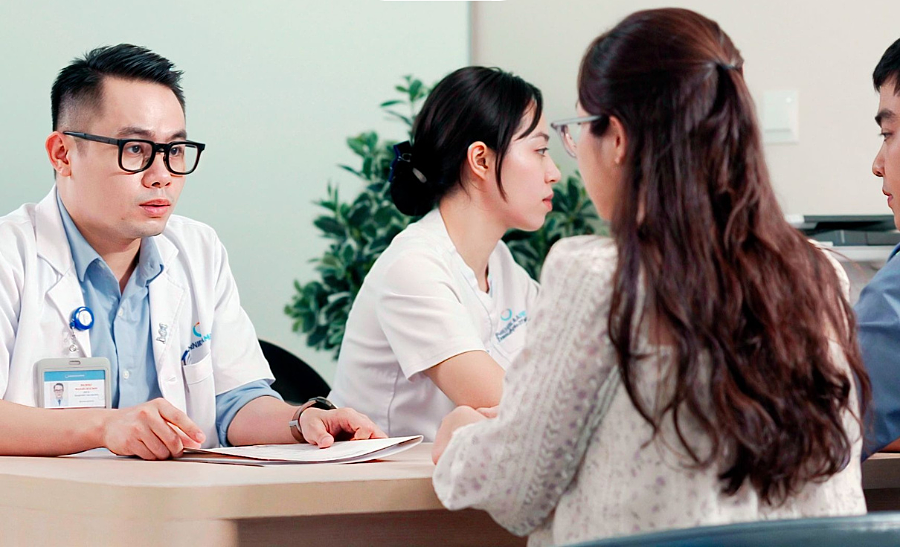 |
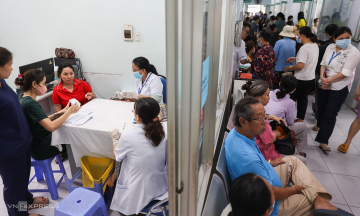
Genetic specialists counsel couples. *Photo: PhenikaaMec* |
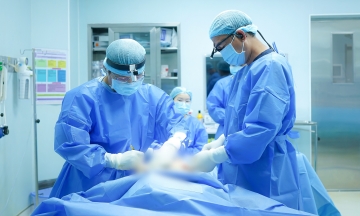
Immediately after birth, cord blood and tissue can be collected for storage at PhenikaaMec's Stem Cell & Tissue Bank. Cord blood is a valuable source of hematopoietic stem cells (HSCs) used in treating blood and immune disorders, including beta-thalassemia.
Cord tissue provides mesenchymal stem cells (MSCs) with broader potential applications in regenerative medicine and is being researched for various other therapeutic areas. Treatment efficacy depends on the number of stem cells collected, making proper collection and processing of samples immediately after birth crucial.
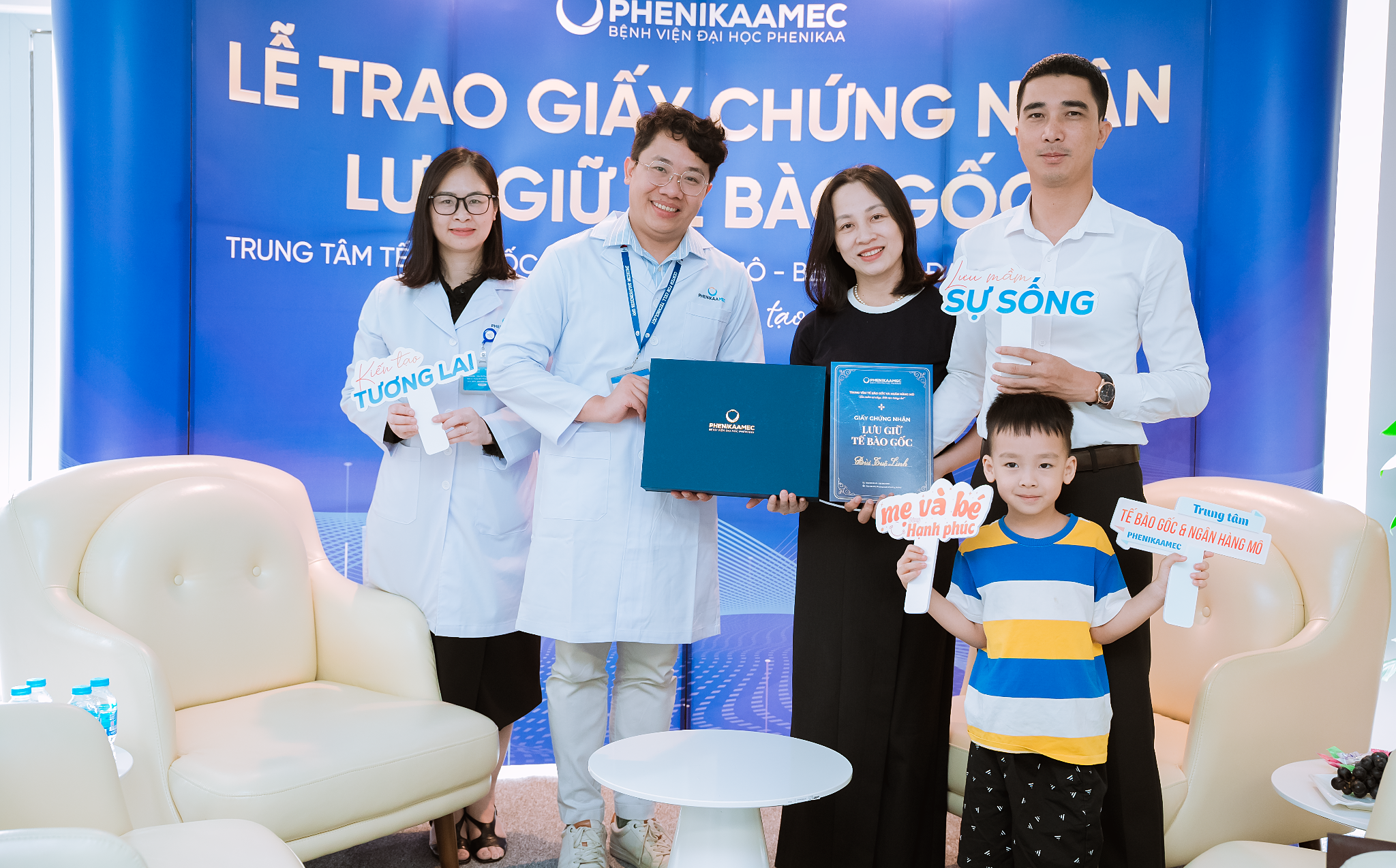 |
Stem cell storage services at PhenikaaMec are chosen by many families. *Photo: PhenikaaMec* |
Doctor Hoang Minh Duc, Director of PhenikaaMec's Stem Cell and Tissue Bank, states that for families at risk of beta-thalassemia or with a relative needing a hematopoietic stem cell transplant, storing cord blood and tissue not only preserves a stem cell source for the baby but also expands treatment opportunities for siblings or other family members if HLA compatibility exists.
At PhenikaaMec, the entire process of sample collection, processing, quality assessment, and storage adheres to strict protocols. Families also receive counseling on the potential applications of stem cells in specific situations, helping them understand the long-term value of storage.
PhenikaaMec's Stem Cell & Tissue Bank is not just a storage facility for stem cells; it also aims to establish a "family biobank," increasing access to advanced treatment methods.
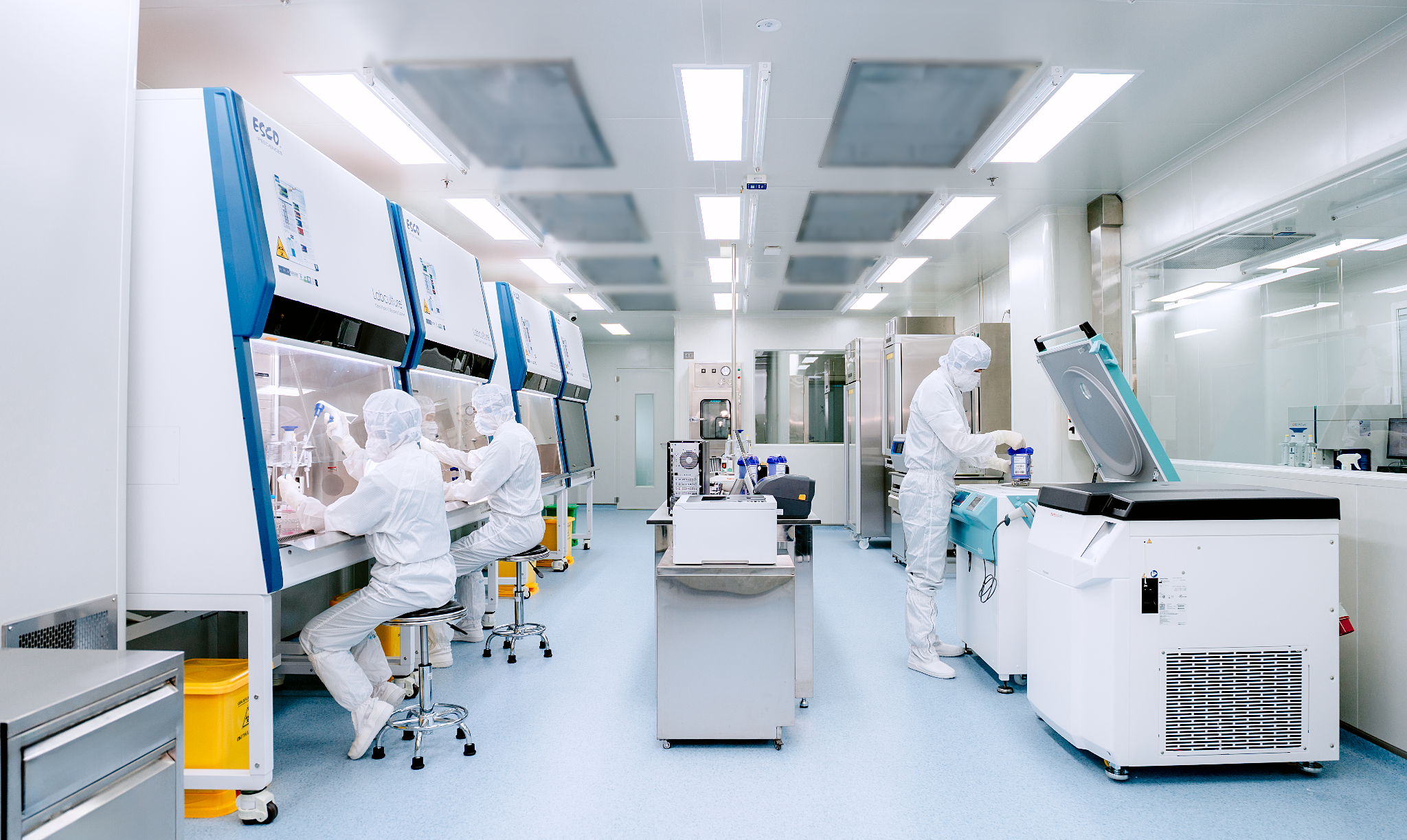 |
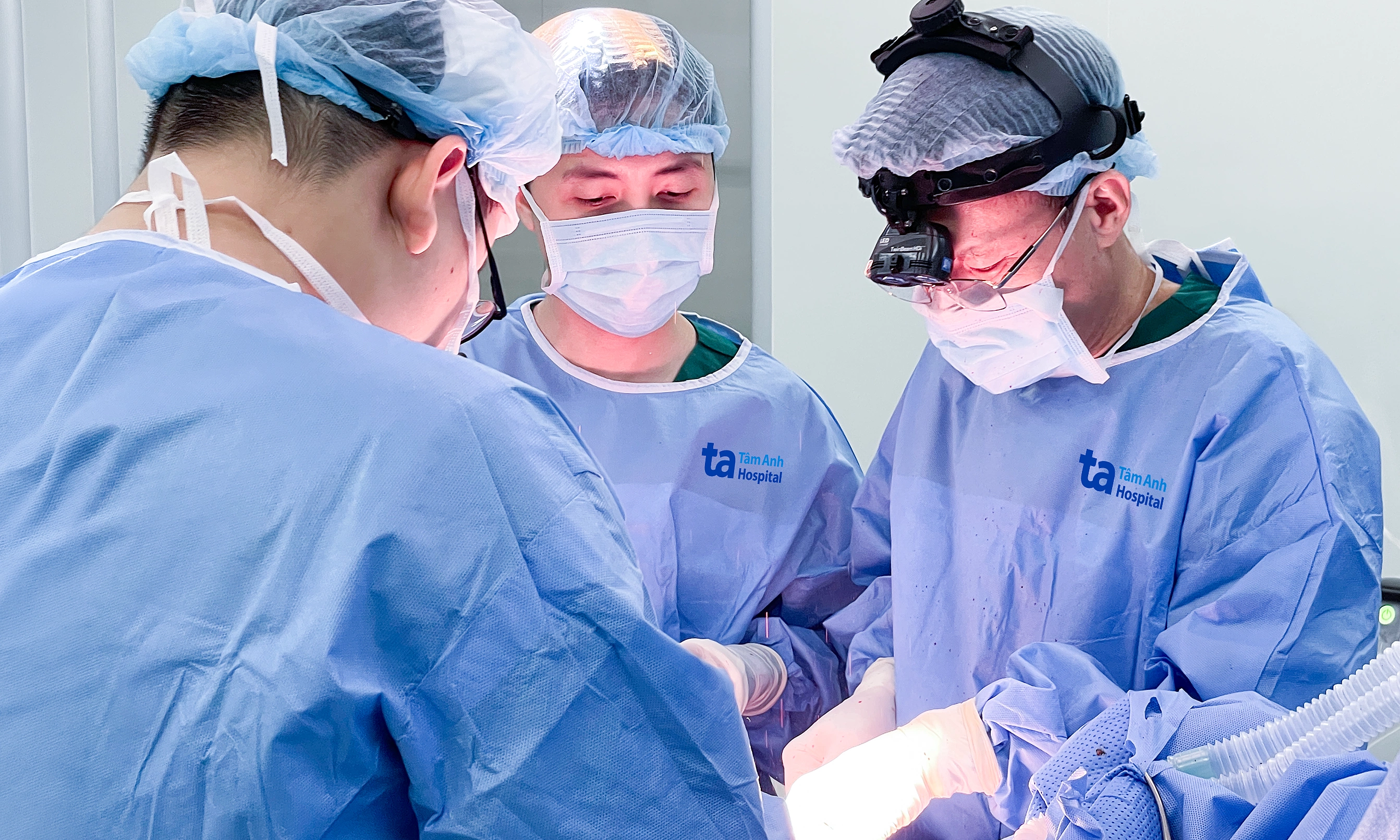
Modern facilities, equipped with specialized systems for stem cell processing, contribute to enhancing sample quality. *Photo: PhenikaaMec* |
A representative states that, inheriting the spirit of "Innovation - Creation - Sustainability" from Phenikaa Group, PhenikaaMec continuously invests in technology, research, and high-quality human resources, aiming to build a proactive and sustainable healthcare foundation for the community.
Hai My
Contact PhenikaaMec Stem Cell and Tissue Bank:
Address: 8th Floor, Building D - Phenikaa University Hospital, Group 5 Hoe Thi, Xuan Phuong Ward, Ha Noi.
Hotline: 0869 923 300 | 1900 2262.
Website: https://phenikaamec.com.