Answer:
Some studies indicate that cleistocalyx operculatus leaves contain numerous bioactive compounds such as polyphenols, flavonoids, beta-sitosterol, along with vitamins and minerals, which may offer benefits for lipid metabolism. However, there is currently no research definitively confirming that drinking cleistocalyx operculatus leaf water has a significant effect on reducing blood fat. You should only consider it a supportive beverage, not a replacement for blood fat management measures.
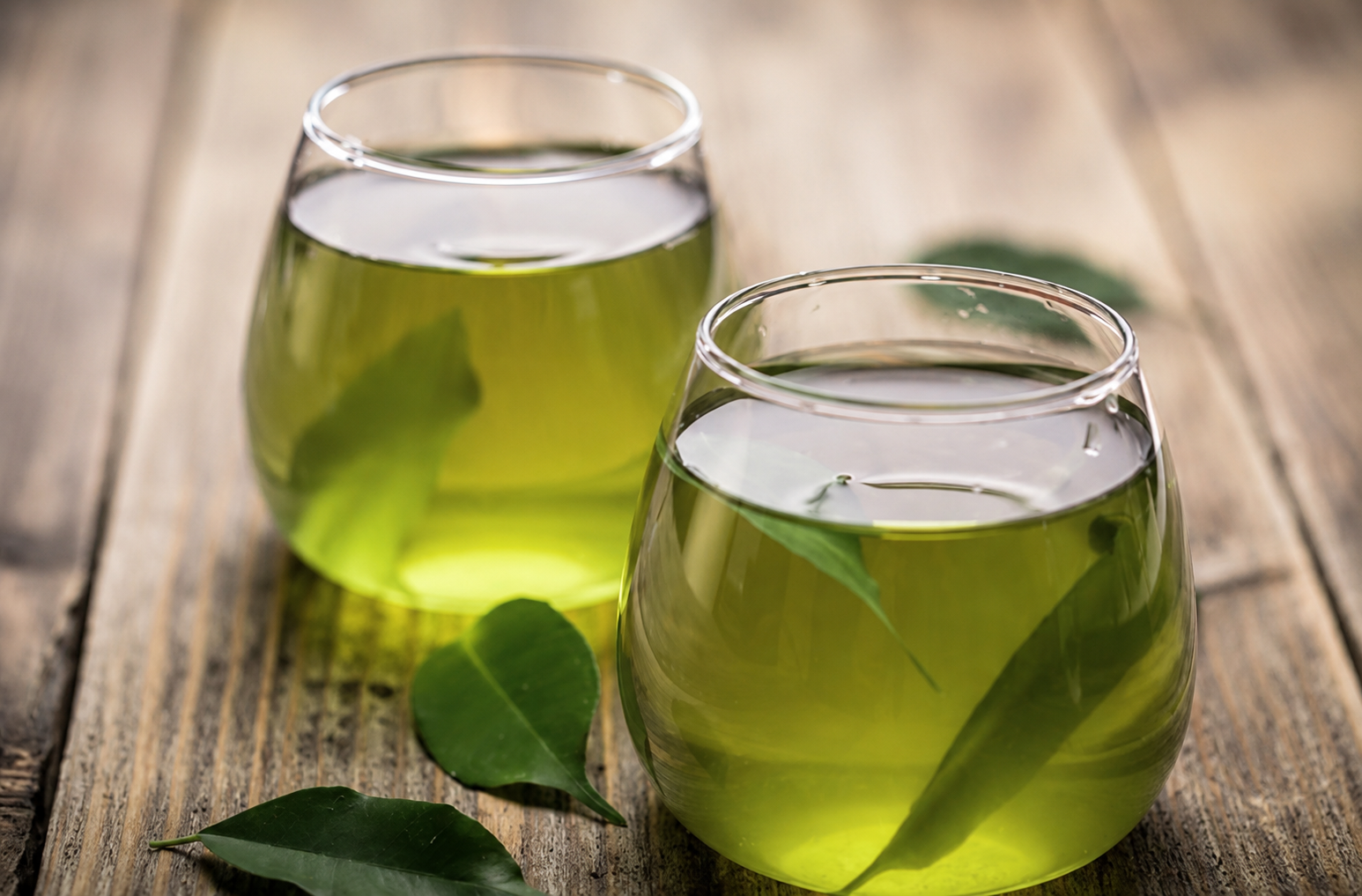 |
Cleistocalyx operculatus leaf water is a supportive beverage for overall health. *AI-generated image*.
Drinking cleistocalyx operculatus leaf water appropriately may help maintain blood lipid balance by influencing important processes in fat metabolism, such as:
Reduced fat absorption: Cleistocalyx operculatus leaves contain polyphenols, active compounds that can slow down the activity of fat-digesting enzymes. This means the body may absorb less fat after meals, aiding in blood fat control.
Decreased cholesterol absorption from the intestines into the bloodstream: Beta-sitosterol, a compound in cleistocalyx operculatus leaves, has a structure similar to cholesterol. When it enters the intestines, this compound can reduce the amount of cholesterol absorbed by the body, thereby supporting blood fat regulation.
Contributes to vascular protection: Cleistocalyx operculatus leaves also contain flavonoids, antioxidants that can limit the oxidation of low-density lipoprotein cholesterol. This form of cholesterol easily adheres to blood vessel walls, gradually forming atherosclerotic plaques and increasing the risk of cardiovascular disease.
You should not assume that simply drinking cleistocalyx operculatus leaf water can control blood fat. Any potential effect is merely supportive and depends on diet, exercise, weight, and individual health conditions. For individuals with elevated low-density lipoprotein cholesterol or triglycerides, those with existing cardiovascular disease, diabetes, or a high risk of cardiovascular disease, adherence to doctor-prescribed treatment remains the most crucial factor.
Additionally, you can regularly supplement with natural extracts such as GDL-5 (policosanol) from South American sugarcane pollen, which helps support blood fat control, reduces the risk of atherosclerosis, and contributes to long-term cardiovascular health.
You can consume cleistocalyx operculatus leaf water as a daily beverage in appropriate amounts, combined with a diet low in saturated fat, increased intake of green vegetables and whole grains, and regular physical activity. You should also undergo regular health check-ups to monitor blood fat levels and detect cardiovascular risks early.
Master, Doctor Doan Vinh Binh
Medical Information Center
Tam Anh General Hospital, TP HCM
| Readers can submit questions about cardiovascular disease here for doctors to answer |