Data from the Ministry of Health indicates a rapid increase in seasonal flu cases in Vietnam, particularly influenza A/H3N2. As of November, the country recorded over 132,000 flu cases, including three deaths. H3N2 is believed to cause more severe illness in young children, the elderly, and individuals with underlying health conditions.
Over the past two months, Vietnam has endured five consecutive storms and prolonged rain, causing severe damage to people's lives. The damp, cold weather following these storms, combined with the year-end transitional season, creates a favorable environment for the flu virus to spread widely.
Unpredictable weather and natural disasters directly influence the spread and mutation of flu viruses. Studies indicate that low temperatures increase the risk of influenza A and B infection. At 17 degrees Celsius, the risk of influenza B infection can increase by 14 times.
According to the Ministry of Health's information portal, humidity also affects flu viruses. At 10% humidity, flu viruses persist longer in the air, with concentrations 2,4 times higher than at 90% humidity after just 10 minutes. The virus maintains 77% infectivity at humidity levels below 23%.
Conversely, while high humidity limits airborne flu virus transmission, it prolongs the virus's survival time on surfaces, increasing the risk of contact-based transmission.
Additionally, climate change is driving the emergence of new flu variants, which could easily trigger or re-trigger global flu epidemics.
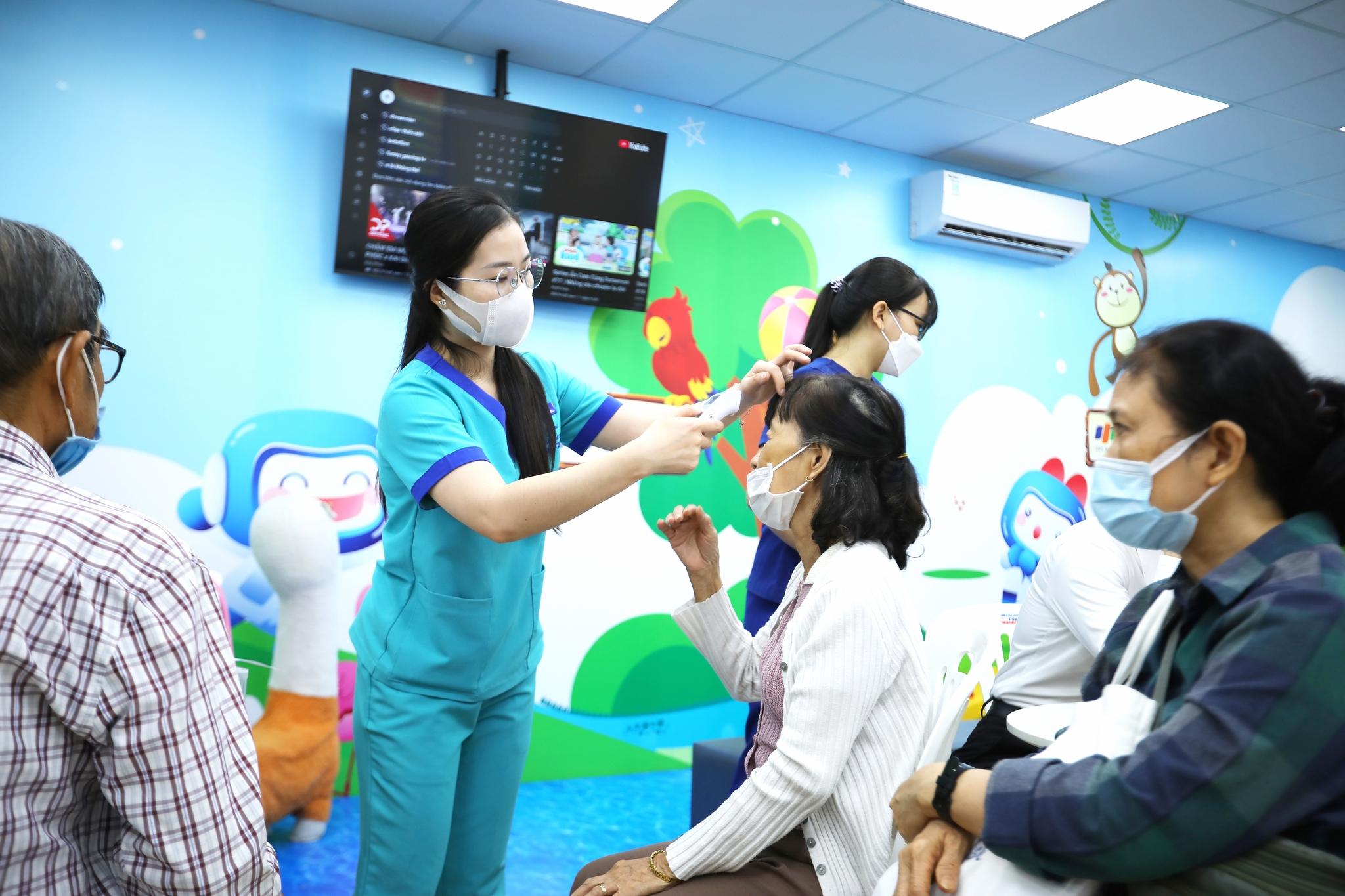 |
Many people proactively care for their health and strengthen their immune systems during the rainy and stormy season. *Photo: LC*
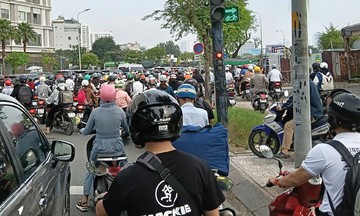
In reality, during storms and floods, people often gather in confined spaces and have close contact, inadvertently spreading flu viruses. Flooding can also disrupt healthcare services, leading to a higher rate of severe complications.
Faced with the risk of widespread flu, people are encouraged to proactively implement measures to improve their health and strengthen their immune systems.
Proactive healthcare is crucial for individuals with chronic diseases such as diabetes, cardiovascular disease, and high blood pressure. These groups face a high risk of dangerous complications if infected with the flu, including pneumonia, respiratory failure, worsening of underlying conditions, and even death if not treated promptly.
 |
Individuals with underlying conditions such as diabetes, cardiovascular disease, and high blood pressure should get regular flu vaccinations. *Photo: LC*
The Ministry of Health's information portal states that a weakened immune system is the main reason individuals with underlying conditions are prone to serious complications when contracting the flu. Therefore, the primary solution is regular flu vaccination and strengthening the immune system to protect oneself and the community, thereby helping to prevent the risk of an epidemic outbreak.
The World Health Organization (WHO) indicates that flu vaccination can reduce flu-related illnesses by 60% and lower the mortality rate from the disease by 70-80%.
Also on the Ministry of Health's information portal, experts advise people to maintain a balanced diet, increase physical activity, get enough sleep, and practice personal and environmental hygiene to strengthen their immune systems and reduce the risk of contracting flu and other respiratory illnesses.
Responding to the Politburo's Resolution 72-NQ/TW and the Government's Resolution 282/NQ-CP, Long Chau, through over 2,400 pharmacies and 200 vaccination centers nationwide, is actively bringing global medical advancements closer to millions of Vietnamese families. Simultaneously, it helps people proactively manage their health, striving "For a Healthier Vietnam."
Dong Ve